
What Your Team Is Thankful For: Vancouver Canucks
In the spirit of the holiday season, PHR will take a look at what teams are thankful for as the season approaches the midway mark. There also might be a few things your team would like down the road. We’ll examine what’s gone well in the early going and what could improve as the season rolls on for the Vancouver Canucks.
What are the Canucks thankful for?
New leadership.
Quite frankly, former Canucks GM Jim Benning should have been fired a long time ago. After a stint with the Boston Bruins front office, Benning took over as general manager of the Canucks in 2014. After making it back to the playoffs in year one, Vancouver missed in five of the next six seasons, only making it to the postseason in the 2020 bubble.
Not only did they fail to have any substantive on-ice success, but they also routinely missed on high draft picks despite Benning earning a reputation as a good scout. Jake Virtanen (sixth overall 2014), and Olli Juolevi (5th overall 2016) were both huge whiffs for the organization, while second-round picks like Jonah Gadjovich, Kole Lind, and Jett Woo have also failed to make much of an impact at the NHL level to this point. Even with a team still quite far from contending for a Stanley Cup, the Canucks ranked 28th in Scott Wheeler’s recent prospect pool rankings for The Athletic.
It’s not that Jim Rutherford is guaranteed success in Vancouver, but fans have been clamoring for change longer than most bases. Just having a different voice is important after so much failure.
Who are the Canucks thankful for?
There have been a lot of astute hockey minds saying things like “Travis Green is a good coach, he’ll land on his feet elsewhere” since the Canucks made a change behind the bench, but there was no doubt a new brand of coaching needed to be brought in. Boudreau has gone 8-2-1 since arriving in Vancouver, continuing his history of finding immediate success when he arrives in struggling markets.
Once again, it’s not that there is a guarantee this will continue–in fact, it looks as though the new coach bump might already be wearing off–but there needed to be a new voice behind the bench. Notably, the veteran coach appears to have a positive impact on Brock Boeser, the team’s struggling sniper. Five of his nine goals this season came in the six games leading into the holiday break, all under Boudreau.
 What would the Canucks be even more thankful for?
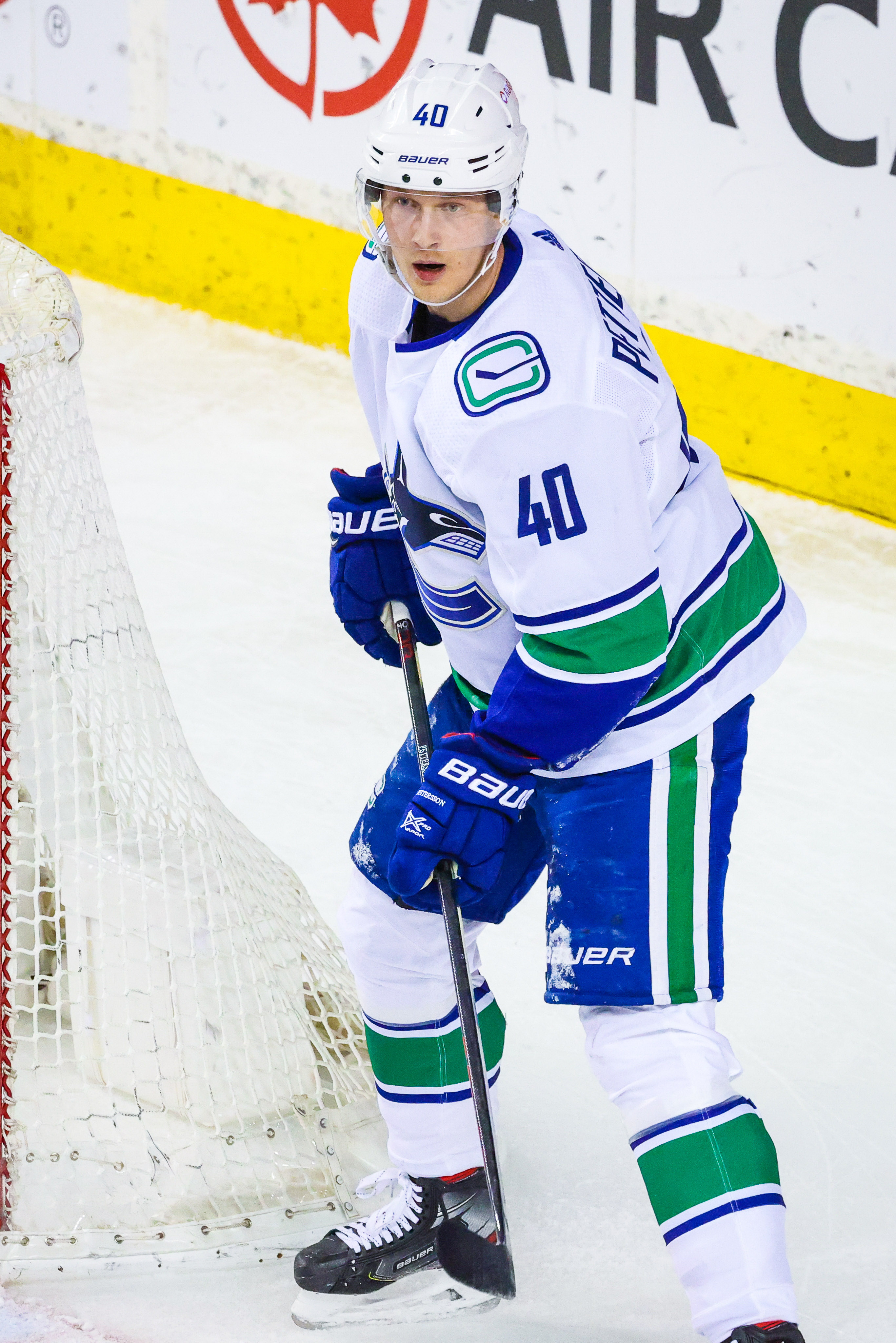
An Elias Pettersson sighting.
One of the most puzzling things to happen to the Canucks this season has been the disappearance of their young star. Pettersson, the 2019 Calder Trophy winner and a player who earned Hart Trophy votes in 2020, has looked completely lost at times. After scoring 153 points in his first 165 games in the NHL, Pettersson has just 17 in 36 this season, good for sixth on the Canucks’ roster.
The team was never expected to really contend for a Stanley Cup this season, but without Pettersson playing to the level he once did, it will be difficult to even stay competitive in the Pacific Division. There are excuses that could be used–a long injury and a missed training camp in particular–but after signing a three-year, $22.05MM deal in October, Pettersson has to be better.
What should be on the Canucks’ wish list?
Cap relief.
When Benning and his staff went out and acquired Conor Garland and Oliver Ekman-Larsson last summer, they ensured that the team would be capped out not only this season but moving forward as well. The Canucks have more than $71MM owed to just 15 players for 2022-23, not leaving much flexibility.
If Rutherford realizes that this group isn’t going to get it done, biting the bullet on some tough trades would be the move at the deadline. Moving out Ekman-Larsson or Tyler Myers would probably be the best options, but names like Boeser, J.T. Miller, and even captain Bo Horvat will have to be discussed at some point. It’s not that these are all players that can no longer contribute, but right now the Canucks are basically locked into this group, with free agent negotiations on the horizon and no real success to show for it.
Photo courtesy of USA Today Sports Images
Salary Cap Deep Dive: Calgary Flames
Navigating the salary cap is one of the more important tasks for any GM. Teams that can avoid total cap chaos by walking the tightrope of inking players to deals that match their value (or compensate for future value without breaking the bank) remain successful. Those that don’t see struggles and front office changes.
PHR will look at every NHL team and give a thorough look at their cap situation for the 2021-22 season and beyond. This will focus more on players who are regulars on the roster versus those who may find themselves shuttling between the AHL and NHL. All cap figures are courtesy of CapFriendly.
Calgary Flames
Current Cap Hit: $79,991,525 (under the $81.5MM Upper Limit)
Entry-Level Contracts
No regulars in Calgary’s lineup are on entry-level deals.
One Year Remaining, Non-Entry-Level
F Johnny Gaudreau ($6.75MM, UFA)
D Erik Gudbranson ($1.95MM, UFA)
F Trevor Lewis ($800K, UFA)
D Oliver Kylington ($750K, RFA)
F Andrew Mangiapane ($2.325MM, RFA)
F Tyler Pitlick ($1.75MM, UFA)
F Brad Richardson ($800K, UFA)
F Brett Ritchie ($900K, UFA)
D Michael Stone ($750K, UFA)
F Matthew Tkachuk ($7MM, RFA)
D Nikita Zadorov ($3.75MM, UFA)
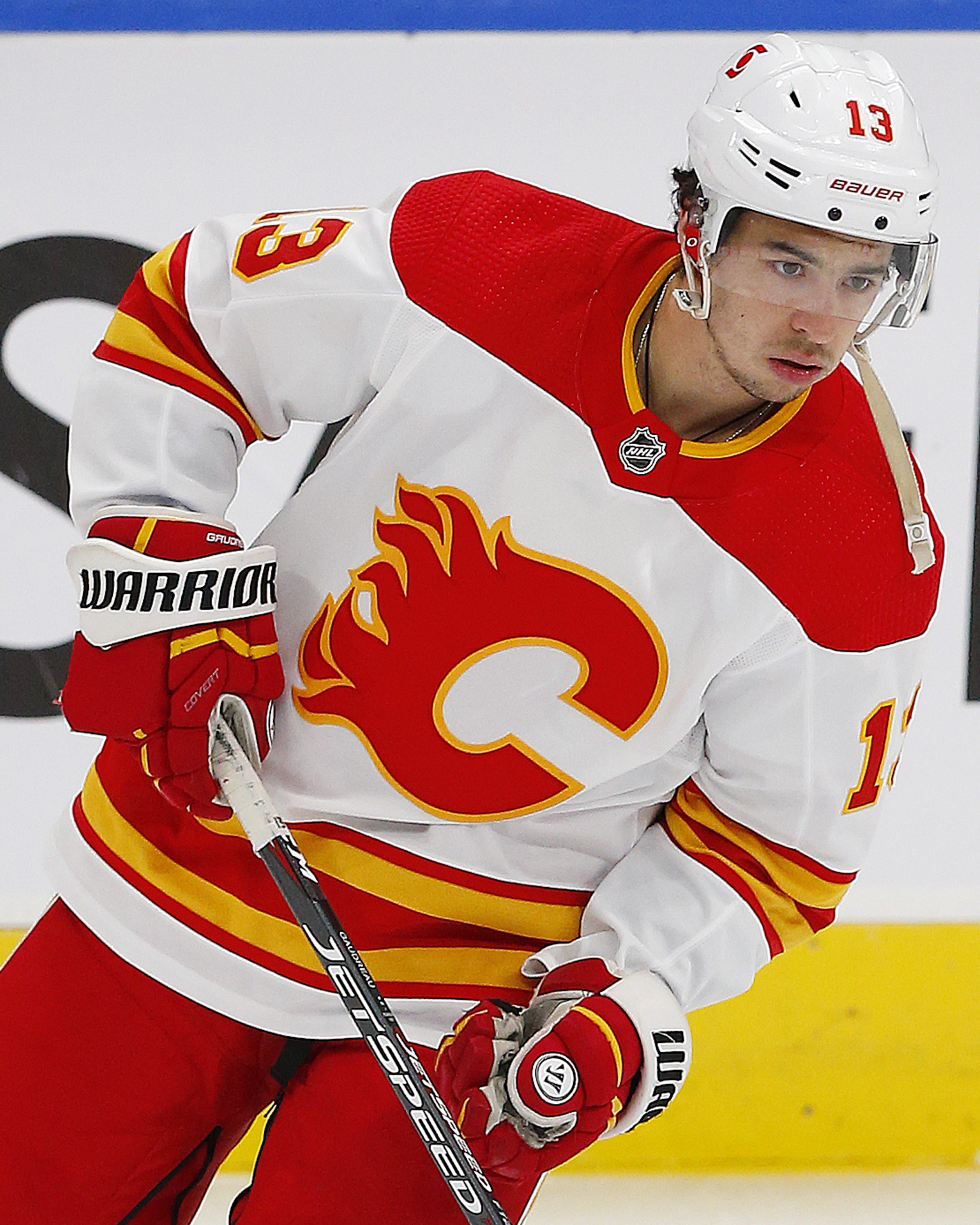 Gaudreau is obviously the UFA to watch for here. After a couple of quieter years, he has bounced back somewhat this season and is averaging just over a point per game, a mark he has only reached twice in his career. That will certainly give his value a boost at the right time. There are two big questions here – what is he worth and is it worth it for Calgary to pay that? He’ll be 29 to start next season so a max-term contract isn’t out of the question (eight years for the Flames, seven for everyone else) with the last couple being a little cheaper in salary to lower the AAV. Still, it’s quite possible that Gaudreau pushes past the $8MM range and since he is part of a core group that has largely underachieved, should Calgary willingly pay a fair bit more to keep it together? If Gaudreau wants top dollar, I’m not sure it comes from the Flames.
The other big one to watch for obviously is Tkachuk. He’s subject to the old qualifying offer rule which means a $9MM offer needs to be tendered to retain his rights. It’s hard to see him willingly taking a long-term deal at that price point so GM Brad Treliving will need to go higher than that to stop the 24-year-old from taking the offer and heading straight to UFA eligibility in 2023. Another RFA in line for a significant raise is Mangiapane, their top goal-getter this season. With arbitration eligibility and potentially a 30-goal year under his belt (he’s more than halfway there at 18), it’s not unrealistic to think he has a shot at doubling his current price tag. If Calgary pays all three of those, they could be looking at adding $7MM or more just to retain their current forwards let alone add to the group.
As for the other forwards, Pitlick hasn’t had a good season and has struggled since coming over from Seattle. He’ll likely have to settle for something closer to the $1MM range next year as a result. Ritchie, Lewis, and Richardson have all recently gone through the UFA market and deals at just above the minimum were all they were able to get. None have done enough to drastically improve their fortunes much beyond what they’re making now.
On the back end, Zadorov hasn’t quite fit in as well as Calgary hoped as he has been scratched at times and on the third pairing for most of the year. That’s only going to hurt his value instead of the change of scenery from Chicago helping it. His value is tough to peg as someone in his role should be making less than half of what he currently is but it still wouldn’t be surprising if he wound up with a deal in the $2.75MM or more range in the summer. Gudbranson continues to be a physical player on the third pairing and after taking a cut last summer, another small dip is likely. Kylington will be in a much different situation as he has been one of Calgary’s best offensive blueliners this season and will have arbitration eligibility this time around. Some sheltered minutes could play a factor in a hearing but him landing something around $2MM is probably doable. Stone is a depth player and has been for a few years now and he’ll either re-sign for the minimum or they’ll find another depth player willing to play for that salary.
Two Years Remaining
F Milan Lucic ($5.25MM, UFA)*
D Connor Mackey ($913K, RFA)
F Sean Monahan ($6.375MM, UFA)
D Juuso Valimaki ($1.55MM, RFA)
G Daniel Vladar ($750K, RFA)
*-Edmonton is retaining another $750K on Lucic’s deal
Monahan has seen his value dip in recent years and this season hasn’t gone particularly well either. He’s not the number one center they hoped he’d be but lately, he hasn’t even been a second-line pivot. If Monahan can get back to that level, a contract that’s only a bit below his current AAV is still manageable. However, if his current trend continues, something in the $3.5MM to $4MM range becomes more realistic. Lucic is nowhere near the player he once was and is now more of a role player (although with eight goals this season, he’s still contributing a bit offensively). If he gets another contract beyond this one, it will be more commensurate with a fourth liner.
Valimaki’s bridge deal seemed reasonable at the time but after hardly playing in the first two months of the year, he’s in the minors. Waivers will take that option off the table next season but if he’s still barely playing at that time, his $1.86MM qualifying offer could be an issue. Mackey is on a one-way deal which warrants at least a mention here although he has been in AHL Stockton all season. Again, that won’t be an option next year without waivers which could earn him a spot and if he can do that, he could be kept around the $1MM mark.
Vladar has impressed in his first full-time NHL role, albeit in sporadic minutes as the backup goaltender. With how head coach Darryl Sutter is using Vladar, it’s going to be hard for him to command high-end backup money two years from now although something beyond the $2MM mark is certainly a possibility.
Three Years Remaining
F Mikael Backlund ($5.35MM, UFA)
F Dillon Dube ($2.3MM, RFA)
D Noah Hanifin ($4.95MM, UFA)
F Elias Lindholm ($4.85MM, UFA)
D Chris Tanev ($4.5MM, UFA)
Backlund has been a reliable secondary scorer for Calgary while being a key piece defensively for most of the contract. The scoring part hasn’t been there this season, however, and with Monahan and Lindholm also in the fold, he looks like a possible candidate to be moved if Treliving wants to shake things up. Given the demand for centers, there will still be a good market for him. Lindholm has become quite the bargain since coming over from Carolina as he has become the consistent scoring threat that he wasn’t able to be with the Hurricanes while transitioning to playing back down the middle full-time. Assuming he can continue on that trajectory for the next few years, he could land a few extra million per year in 2024. Dube had gradually taken some steps forward over the last couple of seasons, convincing Calgary to give him this three-year deal last offseason. The early returns haven’t been great as he has been more of an energy player than a secondary producer but there’s still time for him to turn it around.
Hanifin isn’t a top-pairing defender as his draft stock suggested he would be when he went fifth overall in 2015 but he’s a quality top-four player who can log some heavy minutes. He’ll hit the open market at 27 in the prime of his career and should be able to command close to a max-term contract with a fairly significant bump in pay at that time. Tanev, on the other hand, is in the back end of his career. While he remains a quality defender, his injury history and a lack of production make this a contract that might not age well over the last few seasons.
What Your Team Is Thankful For: Toronto Maple Leafs
In the spirit of the holiday season, PHR will take a look at what teams are thankful for as the season approaches the midway mark. There also might be a few things your team would like down the road. We’ll examine what’s gone well in the early going and what could improve as the season rolls on for the Toronto Maple Leafs.
What are the Maple Leafs thankful for?
All-Star goaltending.
The last time the Maple Leafs had a goaltender who stopped pucks at a better rate than Jack Campbell has this season, there were only 14 teams in the NHL. In 1970-71, Jacques Plante had a .944 save percentage, winning 24 of his 40 appearances at the age of 42. Since then, no one has really come anywhere close to the .935 save percentage that Campbell has posted through the first 27 games of this season. It’s been all the more important because Petr Mrazek has been injured for most of the year, limiting him to just four appearances.
Campbell was one of the goaltenders selected for the All-Star Game yesterday, but you have to wonder whether the Maple Leafs would be better off with him using the time to rest. The 30-year-old netminder has already matched his career-high in starts with 26 and will be relied on heavily as Toronto tries to chase down a divisional playoff spot.
 Who are the Maple Leafs thankful for?
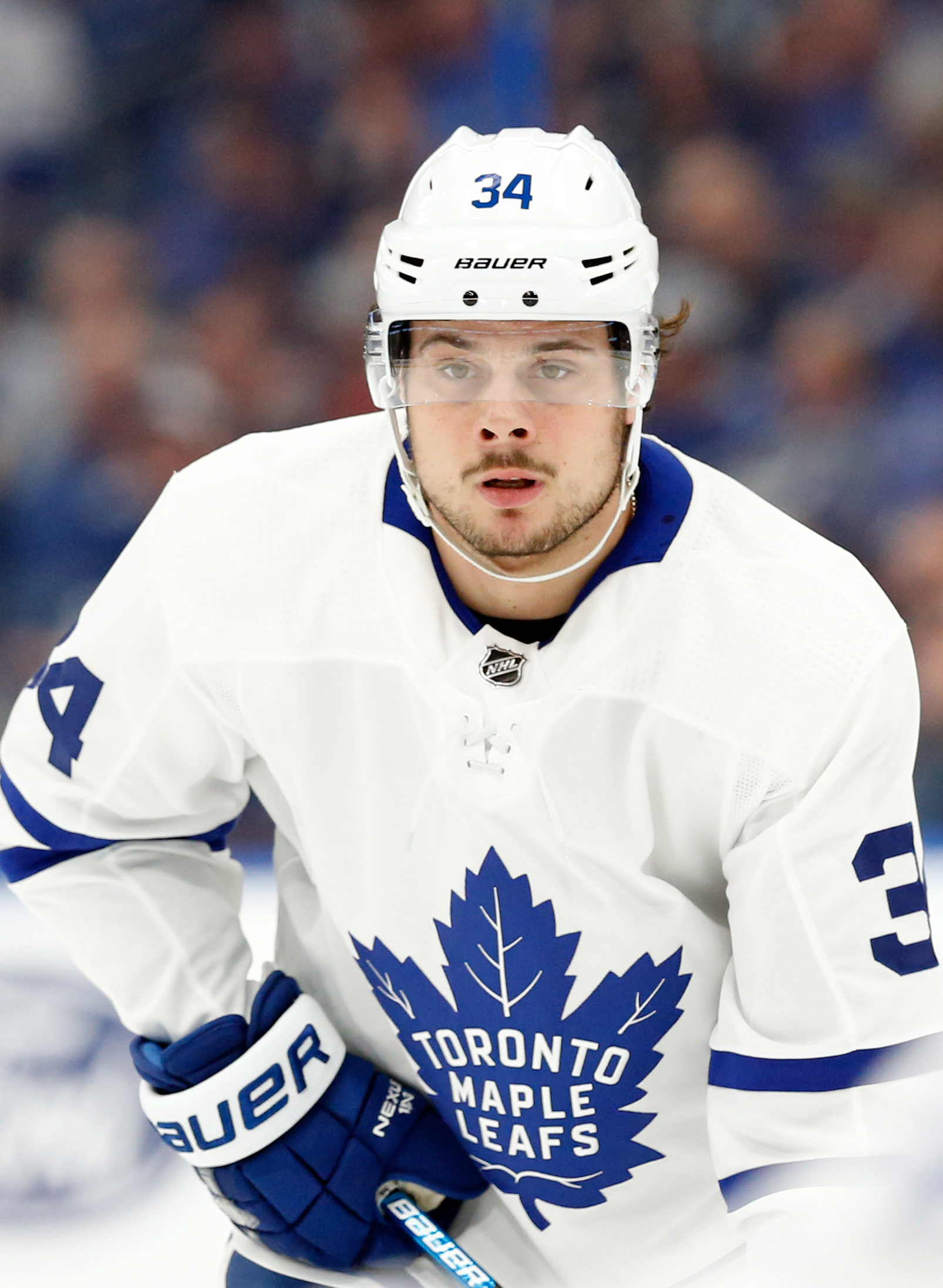
While Campbell’s play may be the biggest reason for success this season, there’s simply no other answer here than Matthews, one of the league’s superstars and most marketable icons. Once again in the thick of the league goal-scoring race, Matthews has tallied an incredible 223 goals through the first 366 games of his career. Among players with at least 350 games played, that puts him fifth in goals-per-game at 0.61, even ahead of Wayne Gretzky. Only Mike Bossy, Mario Lemieux, Pavel Bure, and Alex Ovechkin rank ahead of the Maple Leafs star at the moment.
While that number is obviously going to come down when he’s at the tail end of his career, that’s still way down the road for NHL fans watching a 24-year-old on a nightly basis. Given his ample defensive contributions, there aren’t many players in the entire world that can impact a game the way Matthews does. If the Maple Leafs ever win anything, it’ll probably be because of him.
What would the Maple Leafs be even more thankful for?
A return to form for Jake Muzzin.
One of the biggest changes this season for the Maple Leafs has been the decline of Muzzin, who went–seemingly over one summer–from a player capable of propping up a partner to one that needs someone else to cover his flaws It’s not that he’s been terrible, but no longer has he been able to carry a shutdown second pairing and go up against the league’s best with positive results. In fact, Muzzin has been on the ice for 29 goals against at five-on-five this season, the most on Toronto and tied for 19th-most among all league defensemen. Part of that is the heavy defensive deployment he’s given, but the 32-year-old has also looked a step slower this season, leading to more turnovers and odd-man rush attempts.
What should be on the Maple Leafs’ wish list?
A right-shot partner for Muzzin.
That’s why the most obvious thing the Maple Leafs need to do is find Muzzin a partner that he no longer has to prop up. Justin Holl benefited greatly from the partnership the last two seasons, but with Muzzin’s decline, it’s been him that sticks out the most. Overmatched at times and completely lost at others, if the Maple Leafs are going to go anywhere in the playoffs they need to find that elusive top-four, right-shot defenseman that they’ve been coveting for years.
With Holl now in the COVID protocol, young defenseman Timothy Liljegren will get a look beside Muzzin. If he shows he’s not quite ready for that elevated role, Toronto is risking another early playoff exit if they don’t address the second pairing.
Photo courtesy of USA Today Sports Images
What Your Team Is Thankful For: Tampa Bay Lightning
In the spirit of the holiday season, PHR will take a look at what teams are thankful for as the season approaches the midway mark. There also might be a few things your team would like down the road. We’ll examine what’s gone well in the early going and what could improve as the season rolls on for the Tampa Bay Lightning.
What are the Lightning thankful for?
The most stable management/coaching group in the NHL.
When Steve Yzerman stepped down as Lightning general manager in 2018, it could have been a death knell for the organization. Many other front offices would have crumbled, losing their respected leader just a month before the season began. After all, the team’s head coach was also in his last year under contract, and following Yzerman to Detroit could have been an appealing idea for many of the organization’s brightest minds. Instead, with his former boss’s support, Julien BriseBois stepped into the big chair, doubling down on the structure and stability that the Lightning had built as a franchise.
It’s not just the coaching staff–which is led by one of the best in the game in Jon Cooper–or the management team, who routinely sign players at a small discount because of the market and team success. It goes right down to the scouting staffs and development teams, who have again and again churned out NHL talent from players who were otherwise overlooked. Of the 12 forwards currently penciled into the Lightning lineup, nine of them were drafted by the team. Just one of those nine was in the first round (Steven Stamkos, first overall in 2008).
 Who are the Lightning thankful for?
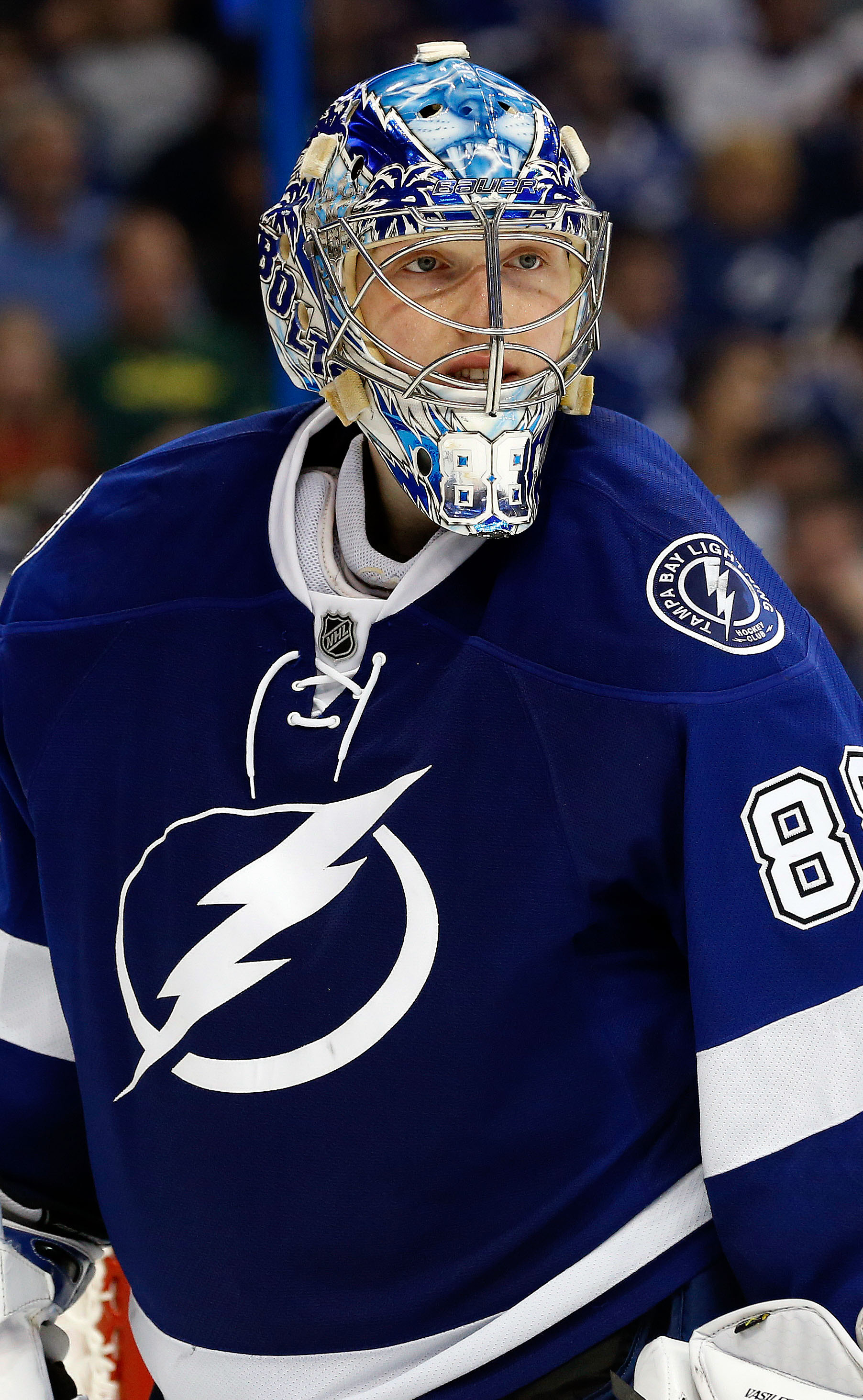
Even though the Lightning roster is strong from top to bottom, everything comes down to the goaltender. Vasilevskiy is in the middle of a Hall of Fame career and once again leads the NHL in wins with 20 this season. Should he finish at the top of that category, it would be for the fifth straight season. A Vezina finalist or winner in each of the last four seasons, Vasilevskiy now has a 210-89-22 record in the regular season. He has a .920 career save percentage, which he has eclipsed in three of the past four seasons.
When he missed some games earlier this year, it was obvious how much of a difference he makes. Brian Elliott, Maxime Lagace, and Hugo Alnefelt combined to stop just 234 of 267 shots–an .876 save percentage.
What would the Lightning be even more thankful for?
Continued health for Stamkos.
One of the best stories of the season has been the re-emergence of Stamkos as one of the league’s superstars. Finally healthy again, he has 17 goals and 44 points in 37 games, is playing center on a regular basis again, and looks like the player that was routinely on Hart Trophy ballots at the end of the year. It’s been a trying career for Stamkos, suffering brutal fluke injuries at the worst times. But after missing out on Olympic rosters, the 2020 Stanley Cup run (save for that one, incredible performance), and countless additional points over his 14-year career, the captain looks like he’s ready to get back on those ballots once again.
What should be on the Lightning’s wish list?
A backup goaltender.
There’s no money on the cap chart, and if we’re being honest the Lightning probably don’t have a great shot at a third Stanley Cup if Vasilevskiy gets injured, but acquiring a backup for the stretch run still seems necessary. Elliott just hasn’t been good enough to trust on a regular basis and the risk of overworking Vasilevskiy is still there, especially in what could be a condensed schedule down the stretch due to postponements. The Lightning have played the most games in the league, but that doesn’t mean they won’t suddenly have a handful of games pushed back at any moment.
Another defenseman would be nice, and BriseBois is always on the lookout for additional cheap forwards that can play a specific role, but the biggest weakness on this team right now is whenever Vasilevskiy isn’t in the net. A capable backup could go a long way to making sure he’s fresh and playing his best when the first round begins.
Photo courtesy of USA Today Sports Images
What Your Team Is Thankful For: St. Louis Blues
In the spirit of the holiday season, PHR will take a look at what teams are thankful for as the season approaches the midway mark. There also might be a few things your team would like down the road. We’ll examine what’s gone well in the early going and what could improve as the season rolls on for the St. Louis Blues.
What are the Blues thankful for?
The return to form from Vladimir Tarasenko.
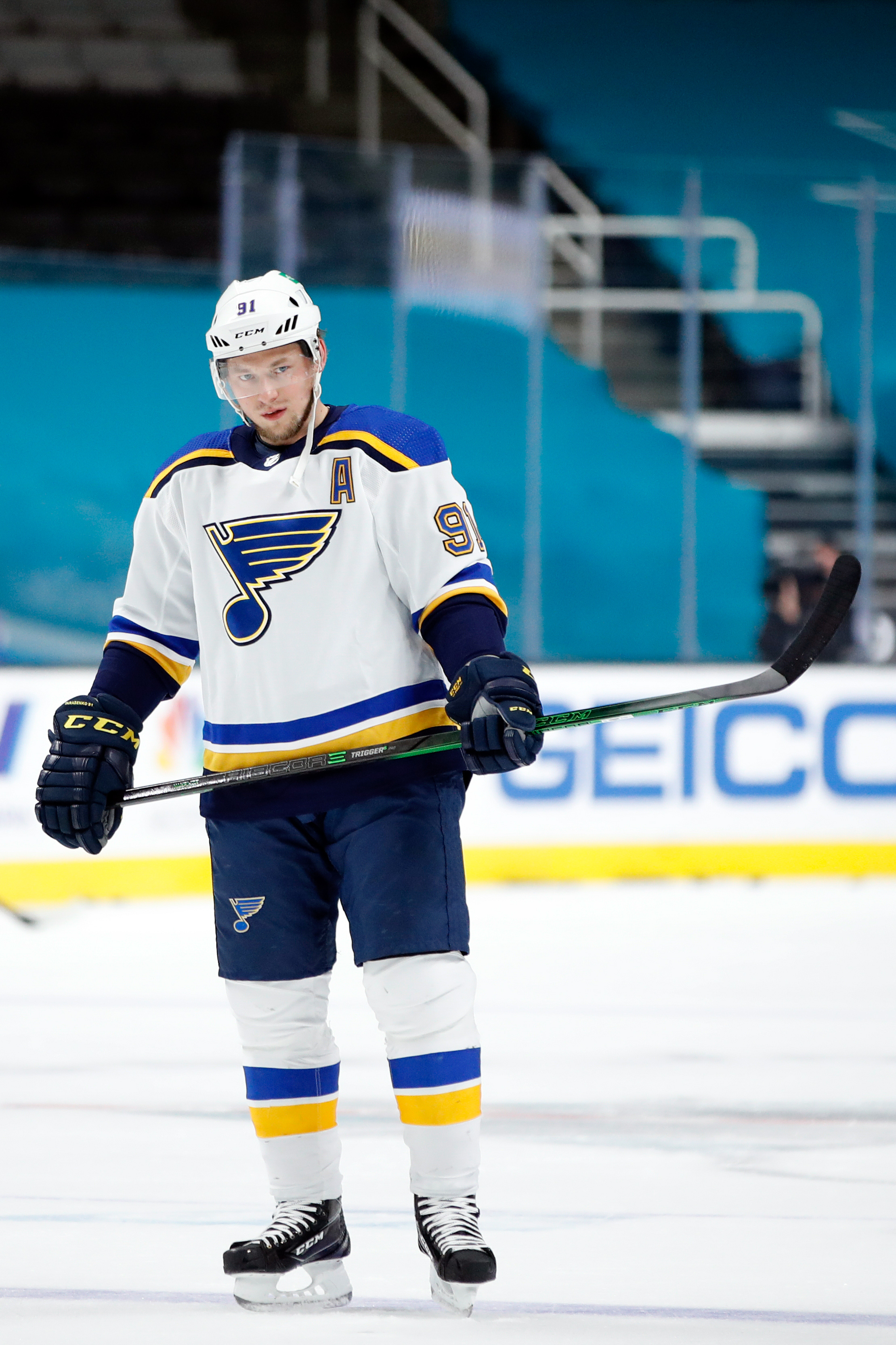 His trade request has been well-publicized but after he struggled upon returning last season, there was next to no trade market for him while Seattle took a pass on picking him up in expansion. As a result, St. Louis wasn’t able to honor that request. They’re certainly glad about that now. The 30-year-old is having a resurgent season, averaging a point per game through 34 games. That’s the best point per game average of his career.
While it still seems like Tarasenko wouldn’t mind moving on, the Blues – and GM Doug Armstrong, in particular – have to be quite pleased that the veteran has helped on the ice this season (including a team-high four game-winners) and off the ice as his trade value has only gone up. Whether it’s later on this season or in the summer, St. Louis will be better-positioned and will have considerably more leverage in any Tarasenko trade discussions.
Who are the Blues thankful for?
After a strong showing last season that saw him pick up 35 points in 55 games, the hope was that he had turned the corner and could become a consistent top-six scorer. It’s fair to say he did that and even more. So far this season, the 23-year-old leads St. Louis in scoring, averaging more than a point per game and sits tied for 12th in points among all NHL players heading into Tuesday’s action. All of a sudden, he’s a key cog in their offensive attack and with him under team control for at least the next three seasons after this one, he’s someone that can be built around for a while.
What would the Blues be even more thankful for?
Jordan Binnington getting back to his old form. This is only the third season since his improbable stretch that helped lead the Blues to the Stanley Cup but his numbers have ticked down each season since then. This year, while he has held the .910 SV% he had from last season, his GAA has gone up by 35 points to 2.90 which is below average for a starter. With Ville Husso still relatively unproven in the NHL (just 23 career starts), it would be hard for them to lean on him too heavily in the second half and considering this is the first of a six-year commitment to Binnington, they need him to improve his performance. They’re already one of the highest-scoring teams in the NHL this season and if Binnington can pick up his play, St. Louis could become a contender really quick.
What should be on the Blues’ wish list?
With minimal cap space, any sort of move is going to be difficult to make. But if Armstrong can find a way to bring someone in, an upgrade on the back end would certainly go a long way. Robert Bortuzzo is more of a depth player at this point, Marco Scandella has had a quiet season, and youngsters Jake Walman, Niko Mikkola, and Scott Perunovich are unproven and have had varying degrees of success this season. In a perfect world, someone that could step into their top four would be ideal but again, their cap situation would make that tricky. If they can’t do that, then an upgrade on the third pairing would still be one worth pursuing.
Photo courtesy of USA Today Sports Images.
Salary Cap Deep Dive: Carolina Hurricanes
Navigating the salary cap is one of the more important tasks for any GM. Teams that can avoid total cap chaos by walking the tightrope of inking players to deals that match their value (or compensate for future value without breaking the bank) remain successful. Those that don’t see struggles and front office changes.
PHR will look at every NHL team and give a thorough look at their cap situation for the 2021-22 season and beyond. This will focus more on players who are regulars on the roster versus those who may find themselves shuttling between the AHL and NHL. All cap figures are courtesy of CapFriendly.
Carolina Hurricanes
Current Cap Hit: $83,873,123 (over the $81.5MM Upper Limit)
Entry-Level Contracts
F Seth Jarvis (three years, $894K)
F Martin Necas (one year, $863K)
Potential Bonuses:
Jarvis: $500K
Necas: $537.5K
Total: $1.0375MM
Jarvis was in a bit of a tough spot to start the season – he couldn’t be sent to the minors but he wasn’t seeing regular action with Carolina either. However, he has worked his way into more of a regular role with the team happily going past the nine-game plateau to burn the first year of his deal. It’s hard to forecast his next deal with him just starting out and from a bonus perspective, it’s unlikely he reaches any of his incentives.
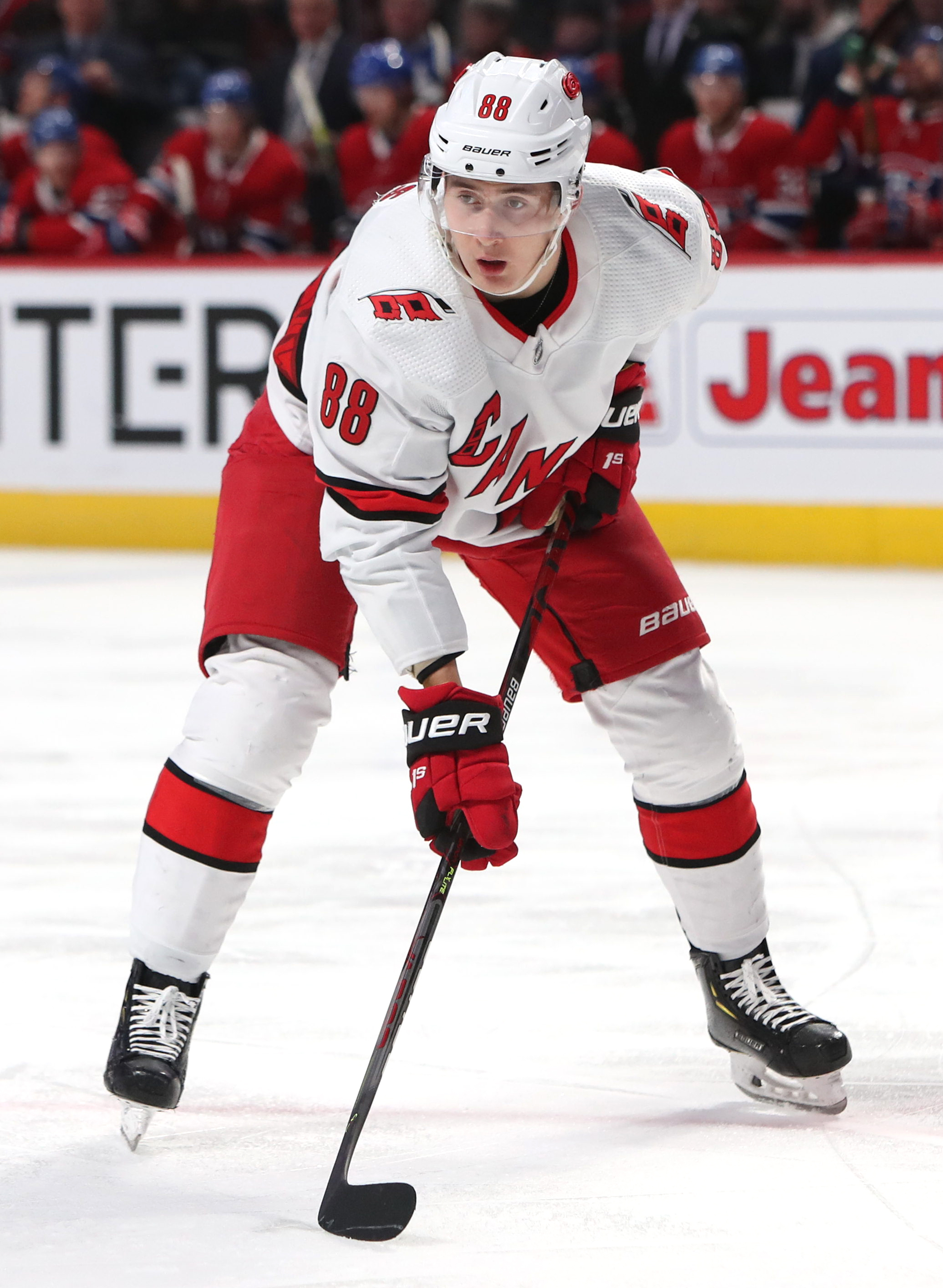 Necas has seen his production tick back a little this year although with 19 points in 31 games, he’s still doing well. He’s the type of player that Carolina may want to try to sign to a deal that buys out a couple of years of UFA eligibility but the quieter platform year may actually make that tougher as it should make Necas be more agreeable to a bridge deal, allowing him to boost his value before locking in a long-term pact. He has three ‘A’ bonuses in his deal and is on pace to hit one of those right now although a few others are within reach as well.
One Year Remaining, Non-Entry-Level
D Ethan Bear ($2MM, RFA)
D Ian Cole ($2.9MM, UFA)
D Anthony DeAngelo ($1MM, RFA)
F Jesperi Kotkaniemi ($6.1MM, RFA)
F Steven Lorentz ($725K, RFA)
F Nino Niederreiter ($5.25MM, UFA)
D/F Brendan Smith ($800K, UFA)
F Derek Stepan ($1.35MM, UFA)
F Vincent Trocheck ($4.75MM, UFA)
Kotkaniemi’s offer sheet was one of the headlines of the offseason as it’s rare that one is tendered and rarer that it isn’t matched. However, it was enough of an overpayment for Montreal to accept the draft pick compensation instead. The key word is overpayment though. The 21-year-old hasn’t produced at a level that would warrant a $6.1MM qualifying offer and while there is a window to take a player to arbitration at a lower rate (85%), that’s still a particularly high salary. Accordingly, it stands to reason that Carolina will try to sign Kotkaniemi to a long-term deal in the coming weeks and months, one that may come in a little lower than his current price tag with an argument that it would be better than running the risk of a non-tender in the summer.
Niederreiter has shown flashes of being a top offensive player over the past few years but hasn’t been able to sustain it. This season, he has been on the third line at times and that’s not going to help his market value. A small decrease on his current AAV is a likelier outcome than a small raise at this point. That shouldn’t be the case for Trocheck who stands to be one of the top centers to hit the open market if he’s still unsigned by July. There is always a premium paid for those players and it wouldn’t be too surprising to see him at $6.5MM or more on a long-term deal. Stepan is still a capable fourth liner but won’t be able to use his prior reputation to boost his value and it’s unlikely he’ll wind up with more money on his next deal although he should be able to come close. Lorentz will get a small raise on his AAV by default but this is a spot Carolina will need to keep close to the minimum – a one-way deal is doable but it should still be around the $750K mark.
Cole has been a quality veteran shutdown defender for several years although he’s starting to slow down. He’ll have no problems finding another contract but after taking a pay cut last summer, he may need to do so again this coming summer. Bear has been decent with his new team but hasn’t been able to move into the top four like they’d have hoped. He’s owed a $2.4MM qualifying offer and he should get it but he’ll have a hard time making a case that he’s worth substantially more. Smith has carved out a niche as a depth defender that can play up front as well and that will keep him in the league for a few years but they will be seasons where he’s near the league minimum as he is now.
DeAngelo is going to be one of the more interesting RFA cases to watch for. As much as he had to sign for cheap on the open market in the summer, he’s two years removed from a 53-point campaign and is producing close to a point per game level this season. Those are numbers that will carry a lot of weight if he makes it to an arbitration hearing which is the probable outcome if Carolina tenders him a qualifying offer. Is that a risk they want to take knowing that there are several other core players that need to be re-signed or replaced? If not, they’ll have to make a big push to try to sign him before the tender deadline and with all of the off-ice factors to consider, there’s a very wide range of what he could sign for.
Two Years Remaining
G Frederik Andersen ($4.5MM, UFA)
F Jesper Fast ($2MM, UFA)
D Jake Gardiner ($4.05MM, UFA)
G Antti Raanta ($2MM, UFA)
F Jordan Staal ($6MM, UFA)
Staal has always been a quality two-way center and while he may not have always produced at a top-six level, he has done well living up to the price tag of this contract over time. Things haven’t gone too well this season, however, as he has slowed down and his production has tailed off. He won’t have any problems getting another contract two years from now but at that time, it’ll be more commensurate with third-line production which could result in his salary being nearly cut in half. Fast’s contract seemed cheap at the time and still is now for someone that’s a decent secondary scorer in the middle six. I’d predict that he could land a contract that’s higher than that two years from now but I’d have said that two years ago as well when he opted to take this deal.
Gardiner is out for the season with hip and back trouble and is on LTIR. At this point, it wouldn’t be surprising to see that be the case next year as well.
It took more than a decade for Andersen to play for the team that originally drafted him but he has been worth the wait as he has been one of the top goalies in the league so far this season. Carolina’s playing style is a goalie-friendly one but his level of play has been better than most starters at a lower cost. Two years of that could give him one more shot at a bigger payday somewhere. Raanta, though often injured, signed for less than what most top backups make which limits the risk involved in signing him. When he’s healthy, he’s a capable second-stringer but until he can stay in the lineup for an extended period of time, these are the types of contracts he’ll be limited to.
Three Years Remaining
F Sebastian Aho ($8.46MM, UFA)
F Jordan Martinook ($1.8MM, UFA)
F Teuvo Teravainen ($5.4MM, UFA)
D Brett Pesce ($4.025MM, UFA)
D Brady Skjei ($5.25MM, UFA)
Aho, as you may recall, had been the last player to receive an offer sheet before Kotkaniemi with Carolina ultimately matching. The deal has been a below-market one for a top center although the term of the contract allows Aho to reach the open market while still in the prime of his career. A jump past the $10MM mark appears to be a certainty if he continues at this level of play. Teravainen has turned into quite the prize for taking on Bryan Bickell’s contract back in 2016 (the Hurricanes dealt a pair of draft picks but neither were worth Teravainen) as he has worked his way into being a top-line winger who is making second line money on a team-friendly deal. He’s in line for another $2MM or so on his next contract. Martinook was once a third liner for Carolina but has dropped to the fourth line lately, making this deal a bit of an overpayment in terms of value. It wouldn’t be surprising to see him shopped at some point for someone a bit cheaper to get a bit of cap flexibility.
Skjei hasn’t been quite as impactful for Carolina compared to his time with the Rangers although he hadn’t exactly had the same role either. They’re deploying him as a steadying presence on the second pairing, a role that he’s a bit overpriced for but the fact he can move up when needed makes it a worthwhile luxury to have. Pesce, meanwhile, has blossomed from someone who was previously playing Skjei’s role into a top-pairing player while making considerably less than others in that spot on other teams. He’s looking at a nice raise three years from now whether it’s from Carolina or someone else.
What Your Team Is Thankful For: Seattle Kraken
In the spirit of the holiday season, PHR will take a look at what teams are thankful for as the season approaches the midway mark. There also might be a few things your team would like down the road. We’ll examine what’s gone well in the early going and what could improve as the season rolls on for the Seattle Kraken.
What are the Kraken thankful for?
NHL expansion.
This certainly hasn’t been a very successful inaugural season for the Kraken on the ice, but getting a team at all wasn’t always a guarantee. The city of Seattle had lots of momentum toward expansion many times in the past, including serious bids in 1974 and 1990 that failed to come to fruition.
The immediate success that the Vegas Golden Knights experienced by going straight to the Stanley Cup Finals was abnormal, and perhaps set the expectations a little higher for Seattle than they should have been. Getting into the club–especially as further expansion seems unlikely, at least for a while–was the important part here.
 Who are the Kraken thankful for?
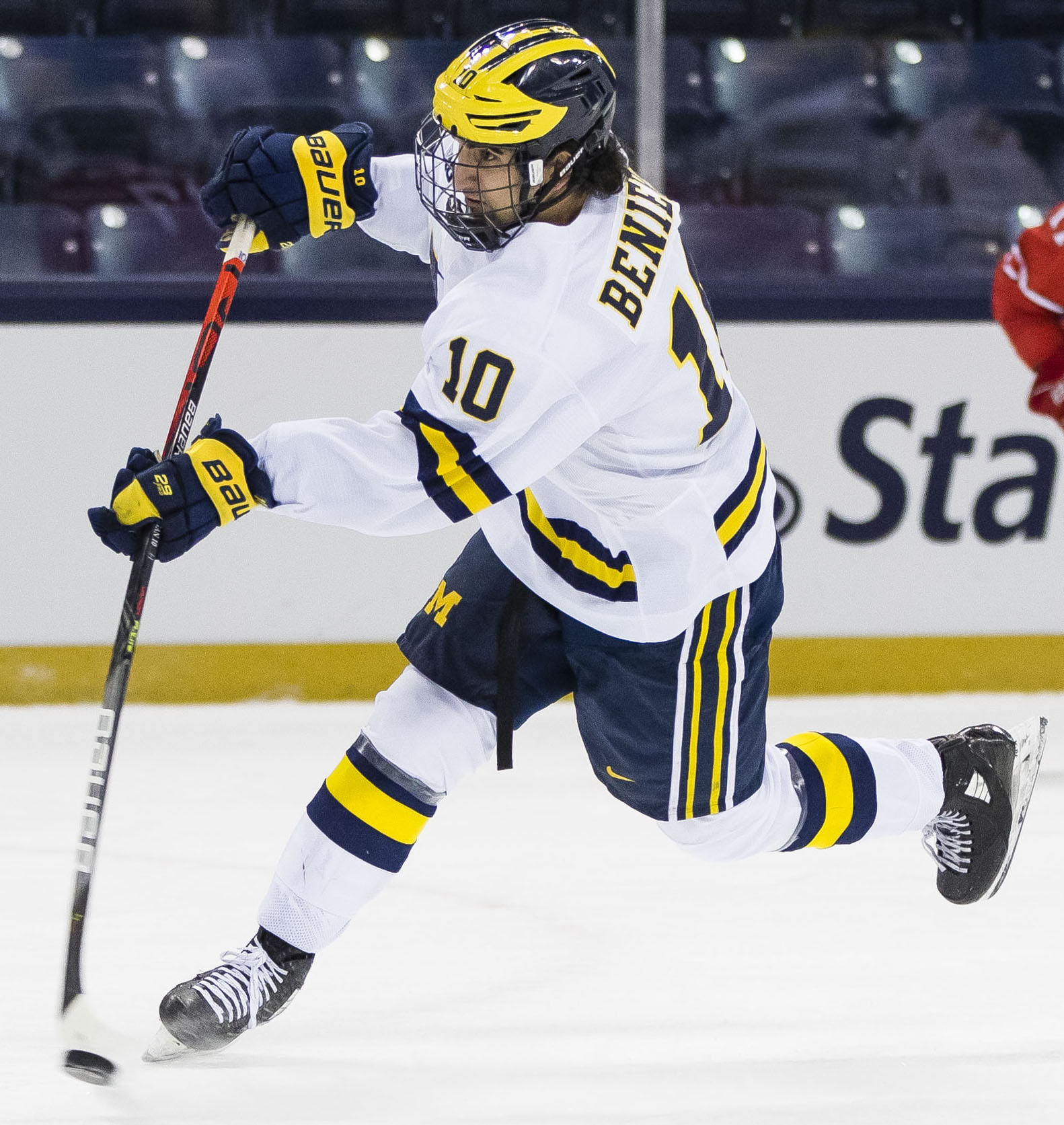
It’s been a bit of a frustrating season for Beniers, who missed his chance for a second World Junior gold medal when the tournament was canceled early on. But make no mistake, the second overall pick from 2021 is going to be a core piece for the Kraken before long.
In 21 games for Michigan, the do-it-all centerman has 24 points (including two tonight in a big win against UMass) and could soon suit up at the Olympics for Team USA. If he decides to turn pro and sign after his college season ends, there’s little doubt that he’ll be one of the most exciting players in the lineup for Seattle most nights. Having that presence down the middle is a good start.
What would the Kraken be even more thankful for?
A few saves.
It’s not that the only problem with the Kraken this season has been the goaltending, but it’s certainly been the biggest. The duo of Philipp Grubauer and Chris Driedger–one that combines for a $9.4MM cap hit–has been dreadful, leading to a league-worst .883 team save percentage on the season. If you are more analytically inclined, Grubauer’s -17.8 goals saved above average leads all netminders by a wide margin. The next worst, if you can call it that, is Joonas Korpisalo at -8.65.
The worry here is that Grubauer signed a six-year, $35.4MM deal with Seattle in the offseason, one that already seemed odd at the time but now appears downright dangerous. If the 30-year-old netminder can’t find his game, it could be a boat anchor for the Kraken to deal with through the first part of their history.
What should be on the Kraken wish list?
Draft picks.
This team isn’t as bad as their 10-19-4 record suggests, but they also aren’t anywhere near a playoff contender at this point. The draft picks that everyone though they would acquire through the expansion process should be the target at the deadline, with basically no roster players off the table, even ones with term left on their contracts.
If someone wants to pay up to add Yanni Gourde, the Kraken should consider moving the 30-year-old center. Adam Larsson a relatively inexpensive defense target for a contender? Why not entertain the offer?
The issue for Seattle is that they also handed out several no-trade clauses in their first round of free agency, for whatever reason. Larsson, Grubauer, Jaden Schwartz, and Jamie Oleksiak, were all given full trade protection in their new deals. That kind of early spending is only going to make it more difficult to strip the roster back if that investment proves to be a premature one and the Kraken continue to struggle in the years to come.
Photo courtesy of USA Today Sports Images
What Your Team Is Thankful For: San Jose Sharks
In the spirit of the holiday season, PHR will take a look at what teams are thankful for as the season approaches the midway mark. There also might be a few things your team would like down the road. We’ll examine what’s gone well in the early going and what could improve as the season rolls on for the San Jose Sharks.
What are the Sharks thankful for?
A rebound from Erik Karlsson.
One of the more overlooked stories of this season has been the play of Karlsson, who has rebounded in a big way from his brutal 2020-21 campaign. Through 28 games he has eight goals and 22 points, is still playing more than 23 minutes a night, and has strong possession numbers once again. The 31-year-old isn’t the all-world player he was pre-ankle surgery and he’s not going to win the Norris Trophy, but his rebound is a big reason why the Sharks are competitive this season.
The worry at this point in his career is always injury, and Karlsson is currently on the shelf with an upper-body ailment. He could be back as soon as Tuesday though when the Sharks return for a five-game homestand.
 Who are the Sharks thankful for?
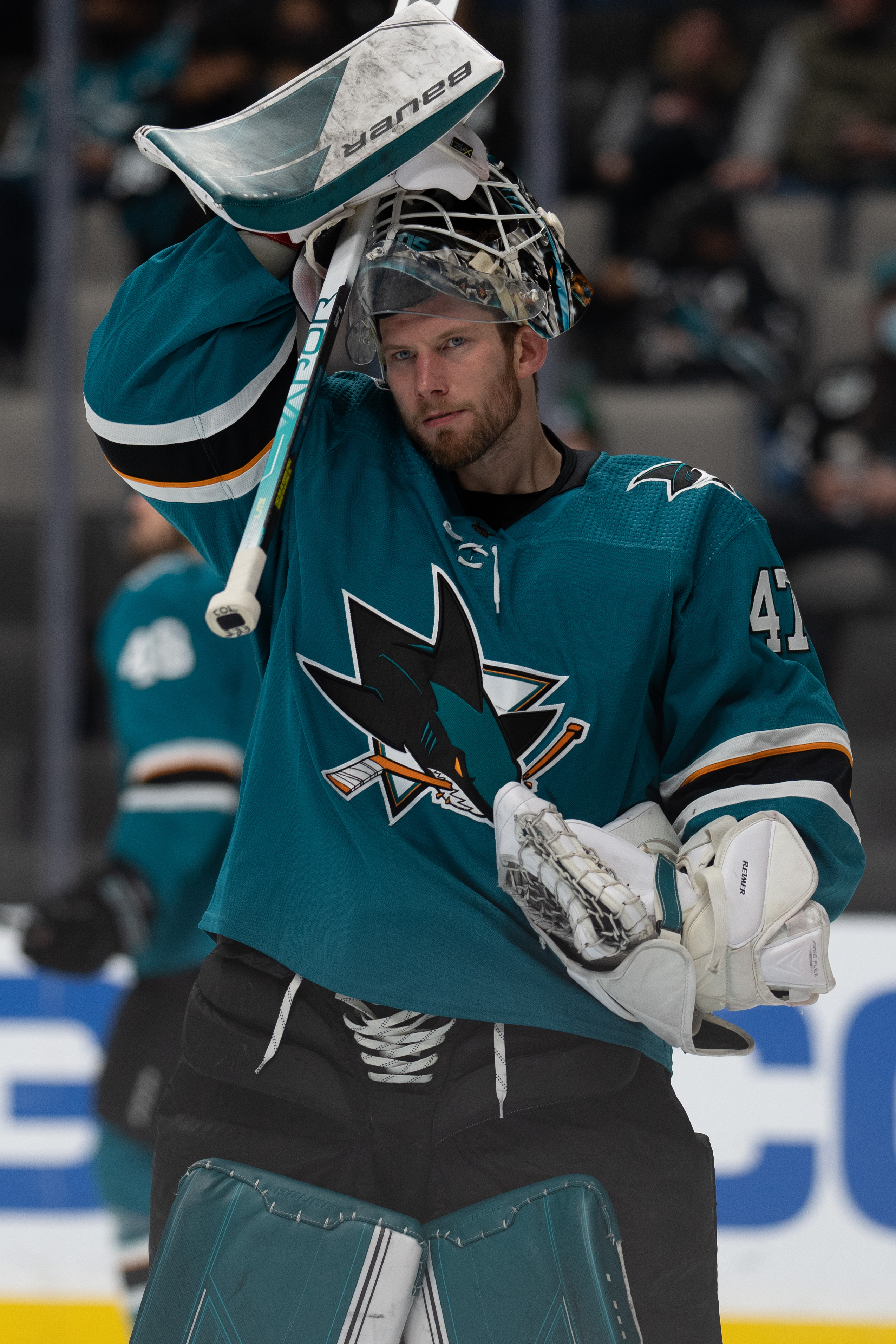
Despite his performances in the last couple of games, there’s no real answer here other than the Sharks’ starter. Reimer’s numbers are coming back to earth, but it’s because of his goaltending that the team is still in the playoff race in the Western Conference.
In 2019-20, San Jose was ranked 30th in save percentage at .895. In 2020-21, that number actually dropped to .891. This season Reimer’s .916 is dragging them up to .910 overall, a respectable number that has them in games most nights.
What would the Sharks be even more thankful for?
Some roster consistency.
Between injuries, illnesses, and COVID-19 protocol, there have been barely any games this season when the Sharks were icing their best lineup possible. Only three players have suited up for all 35 games–Brent Burns, Tomas Hertl, and Nick Bonino–and several important ones have missed as many as seven, a good 20 percent of the season so far.
There have been some great stories in San Jose. Even looking past the likes of Karlsson and Reimer, Alexander Barabanov has become a legitimate top-six option, Logan Couture is having another strong two-way year, and Timo Meier has re-emerged as a premier power forward in the league. All three of those forwards have missed multiple games, forcing the club to shuffle people around into roles they aren’t really built for.
Every team has injuries, certainly, and this season’s battle with COVID has been a struggle for everyone. But with the Edmonton Oilers and Calgary Flames coming back to the pack, there’s a real opportunity in the Pacific Division playoff race. A consistent lineup could have the Sharks right in the mix.
What should be on the Sharks’ wish list?
A Tomas Hertl decision.
Despite everything above, there is a real argument to be made in support of trading Hertl–and others–at this year’s deadline, waving the white flag for this season and recouping a huge haul of future assets. It just doesn’t seem that likely while the team is paying Karlsson, Burns, and Marc-Edouard Vlasic a combined $26.5MM for each of the next three seasons. A true rebuild would be difficult and costly with those contracts on the books, meaning unless the Sharks want to see Hertl walk for nothing in the summer, an extension can seem like the only option.
The problem though is what kind of a contract would even keep the 28-year-old forward in San Jose. Can the team afford to lock in another player to a long-term deal that takes him well into his thirties? His cap hit right now is $5.625MM, but on the open market that would likely balloon quite a bit as a center that can score at a 30+ goal pace.
Does a Hertl extension get the Sharks closer to a Stanley Cup? That’s a difficult question to answer given the state of the franchise right now and the realistic outlook over the next few years. It’s one they must make anyway, and soon.
Photo courtesy of USA Today Sports Images
What Your Team Is Thankful For: Pittsburgh Penguins
In the spirit of the holiday season, PHR will take a look at what teams are thankful for as the season approaches the midway mark. There also might be a few things your team would like down the road. We’ll examine what’s gone well in the early going and what could improve as the season rolls on for the Pittsburgh Penguins.
What are the Penguins thankful for?
A return to form from Tristan Jarry.
Two years ago, he had a breakout season, earning himself an All-Star appearance and the confidence of the team as they opted to move Matt Murray, allowing Jarry to take on the number one role. But last season was a significant step back for him, making goaltending one of the big question marks for Pittsburgh heading into 2021-22. But to his credit, Jarry has bounced back quite nicely, posting a 1.92 GAA along with a .932 SV% in 24 starts so far this season, good for third in the league in both categories making the Penguins one of the top teams from a goals allowed standpoint. Doing so is particularly impressive considering the rash of injuries they’ve dealt with throughout the season. In the span of a few months, Jarry’s play has moved him from being a question mark to a big strength for them.
Who are the Penguins thankful for?
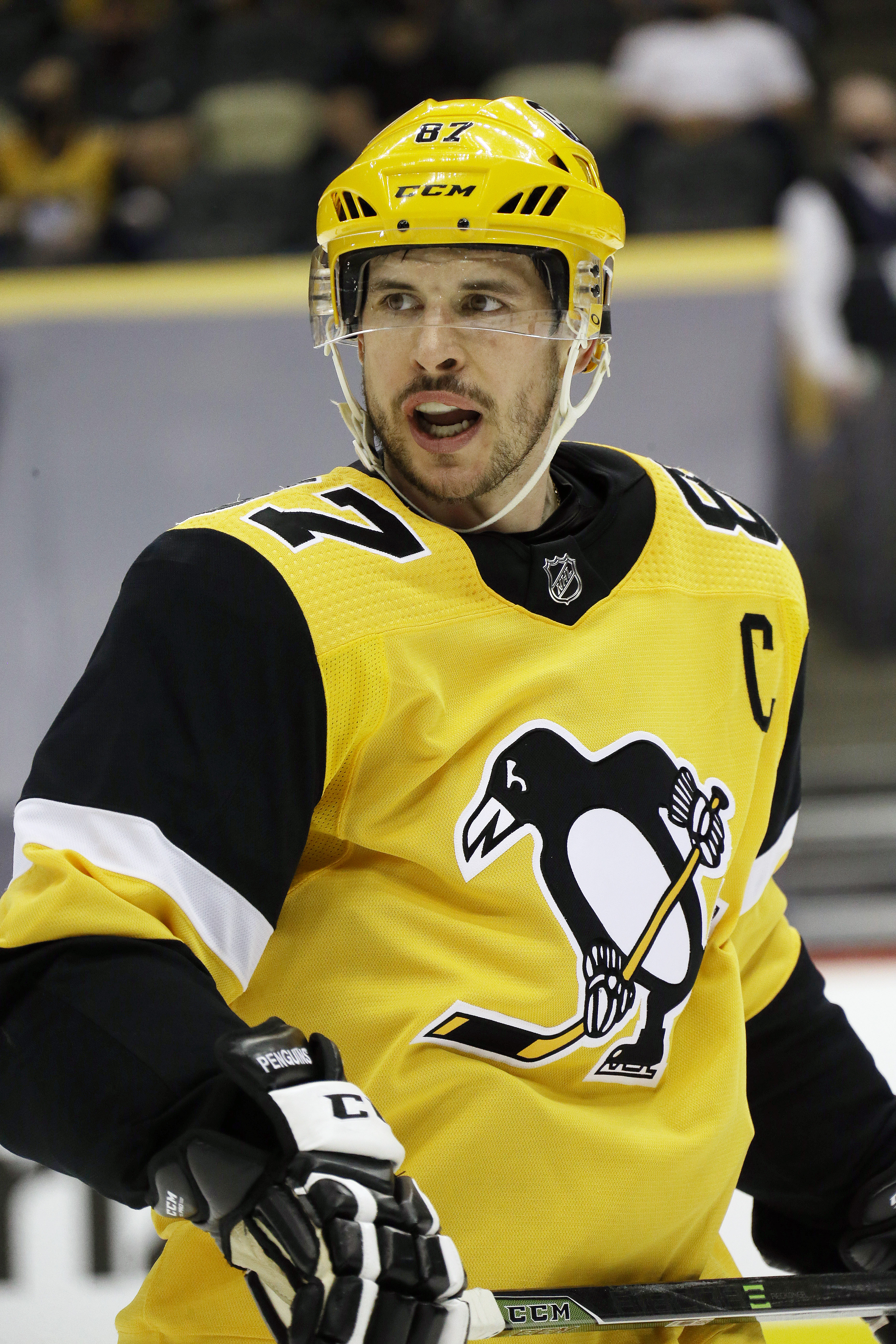 While there’s a good case to be made for Jake Guentzel, it’s hard not to take Sidney Crosby here. He continues to be an elite center in the league even as he slows down a little compared to his performance in his prime. He continues to log heavy minutes – perhaps more than they’d ideally like to play him with Evgeni Malkin missing the entire season so far – and he’s over the point per game mark for the 17th straight season. He remains the face of the franchise and even as he gets older, he can still produce at a high level. The captain has been a significant bargain on the salary cap with an $8.7MM AAV since 2008 and he’ll remain at that cost – a more than reasonable one for a top pivot – for three more years after this one.
What would the Penguins be even more thankful for?
Beyond a return to health for Malkin and their other injured players, getting Jason Zucker back to being a productive winger is something they’d be quite thankful for. Notwithstanding the fact they paid a fairly high price to get him back in 2020, they’re paying a fairly high price on the cap to have him as well at $5.5MM through the end of next season. For a team that doesn’t have a lot of flexibility, the stat line of four goals and seven assists in 30 games so far this year really stings. Zucker returning to form would go a long way towards deepening Pittsburgh’s lineup and restoring some trade value for the summer when he becomes a candidate to be moved.
What should be on the Penguins’ Wish list?
Money is going to be tight for Pittsburgh, especially when Malkin is activated off LTIR. Accordingly, it’s hard to envision GM Ron Hextall being able to add a notable piece. Instead, some low-cost depth upgrades are likely all they’re going to be able to afford. A veteran defender as an insurance policy would help as would an offensive upgrade in their bottom six.
Photo courtesy of USA Today Sports Images.
What Your Team Is Thankful For: Ottawa Senators
In the spirit of the holiday season, PHR will take a look at what teams are thankful for as the season passes the one-quarter mark. There also might be a few things your team would like down the road. We’ll examine what’s gone well in the early going and what could improve as the season rolls on for the Ottawa Senators.
What are the Senators thankful for?
The future.
While the rebuild might not yet be completely over like GM Pierre Dorion had hoped, many of the long-term building blocks are in place. Up front, Tim Stutzle, Drake Batherson, Josh Norris, Brady Tkachuk, Shane Pinto, and Alex Formenton form a quality group of players that are 23 and under. All are signed or under team control for at least the next four years while the recently-signed Tyler Boucher, as well as Ridly Greig, are first-round picks that might not be all that far away from being ready for NHL duty.
On the back end, there aren’t as many younger options that are established but the pipeline is still strong. Jake Sanderson appears to be a candidate to turn pro at the end of the year and should be able to jump into the NHL right away. Jacob Bernard-Docker and Lassi Thomson have shown some promising signs while Erik Brannstrom is still young enough to be a part of their long-term plans still despite his struggles. Those are all 22 and younger and under team control for at least five years after this one.
The present may not be all that fun in terms of wins and losses but the future is coming quickly and it looks promising.
Who are the Senators thankful for?
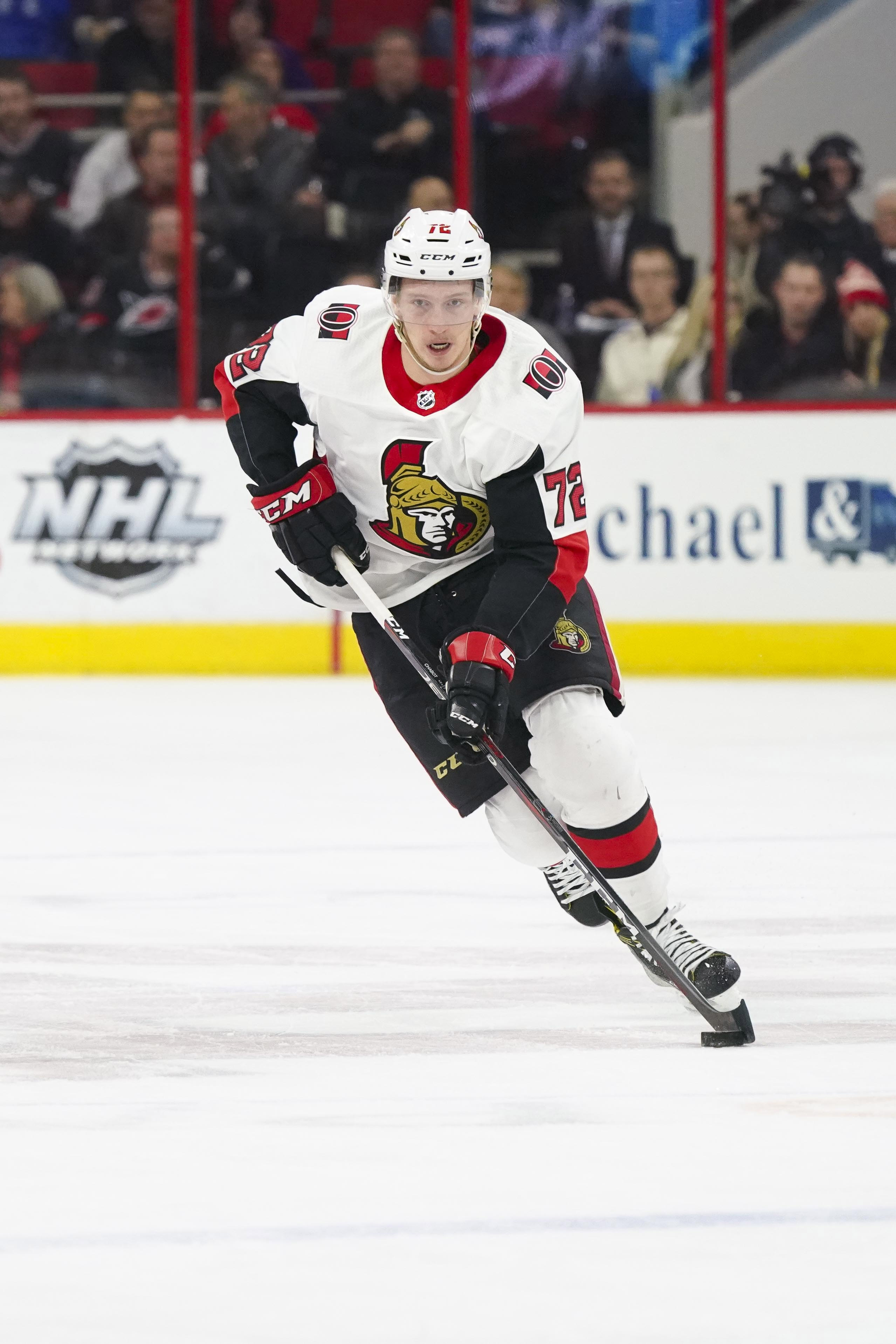 With the state of Ottawa’s current back end, they have asked an awful lot out of their number one blueliner and he has delivered. He leads the league in ice time per game by nearly a full minute after just finishing second in that category last season (and he led the league in that category in 2019-20 as well). They ask for him to be their top offensive threat from the back end and while he only has one goal, he leads all Ottawa blueliners in points. Despite the heavy workload – including a 35:39 outing last game – the 24-year-old has been able to thrive and emerge as a legitimate number one defenseman. While he’s slightly older than those listed above, he’s signed for six more years after this at an $8MM AAV, a price tag that is already below market value and growing more team-friendly by the day.
What would the Senators be even more thankful for?
Matt Murray playing at a level that’s at least somewhat close to his contract. The one element the Sens don’t truly have yet in their pipeline is a legitimate starting goalie; there are some youngsters with some upside but none that are sure-fire starters of the future. Murray was supposed to lessen the need for that right away when he was acquired and quickly signed a four-year, $25MM contract, giving him the sixth-highest AAV among all NHL goaltenders. For that money, he has played to a 3.35 GAA with a save percentage of just .892. Goaltending was a big question mark before and even after this commitment, it’s still a big question mark.
What should be on the Senators’ Holiday Wish list?
With the Sens being 13 points out of the last playoff spot already, a trip to the postseason isn’t in the cards. As a result, the wish list will be more draft picks and prospects. At this point, Chris Tierney, Zach Sanford, and Nick Holden are the veterans they’re likely to move but with how each has performed this season, they’re not likely to bring back much. In an ideal world, those underperforming veterans improve their play over the next couple of months to give them some better trade chips to work with.
Photo courtesy of USA Today Sports Images.