
Trade Deadline Primer: Tampa Bay Lightning
With the All-Star break now behind us, the trade deadline looms large and is now less than a month away. Where does each team stand and what moves should they be looking to make? We continue our look around the league with the Tampa Bay Lightning.
Aspirations of a three-peat are still alive and well in Tampa Bay, where the Lightning are once again thriving in a tough division despite facing a variety of injuries all year. They’ll undoubtedly be one of the top three teams in the Atlantic Division at the season’s end, but with increasingly tough competition, more fortification to the lineup wouldn’t hurt to help their chances at a Cup in 2022.
Record
34-11-6, 2nd in Atlantic
Deadline Status
Buyer
Deadline Cap Space
$100,000 today, $100,000 in full-season space, 0/3 retention slots used, 49/50 contracts used per CapFriendly
Upcoming Draft Picks
2022: TBL 1st, TBL 5th, TBL 6th, DET 6th, TBL 7th, NYR 7th
2023: TBL 1st, TBL 3rd, TBL 4th, TBL 5th, TBL 6th, TBL 7th, ANA 7th
Trade Chips
One of the handicaps of being back-to-back Stanley Cup champions is having to pay up when players’ contracts expire. That’s impacted the Lightning greatly, forcing them to jettison their now-famed third line of Yanni Gourde, Barclay Goodrow, and Blake Coleman this offseason as well as acquire Brent Seabrook‘s contract for long-term injured reserve relief. Even with all that, they’re within thousands of dollars of the salary cap, and any trade deadline deal will likely need to be a money-in, money-out sort of swap.
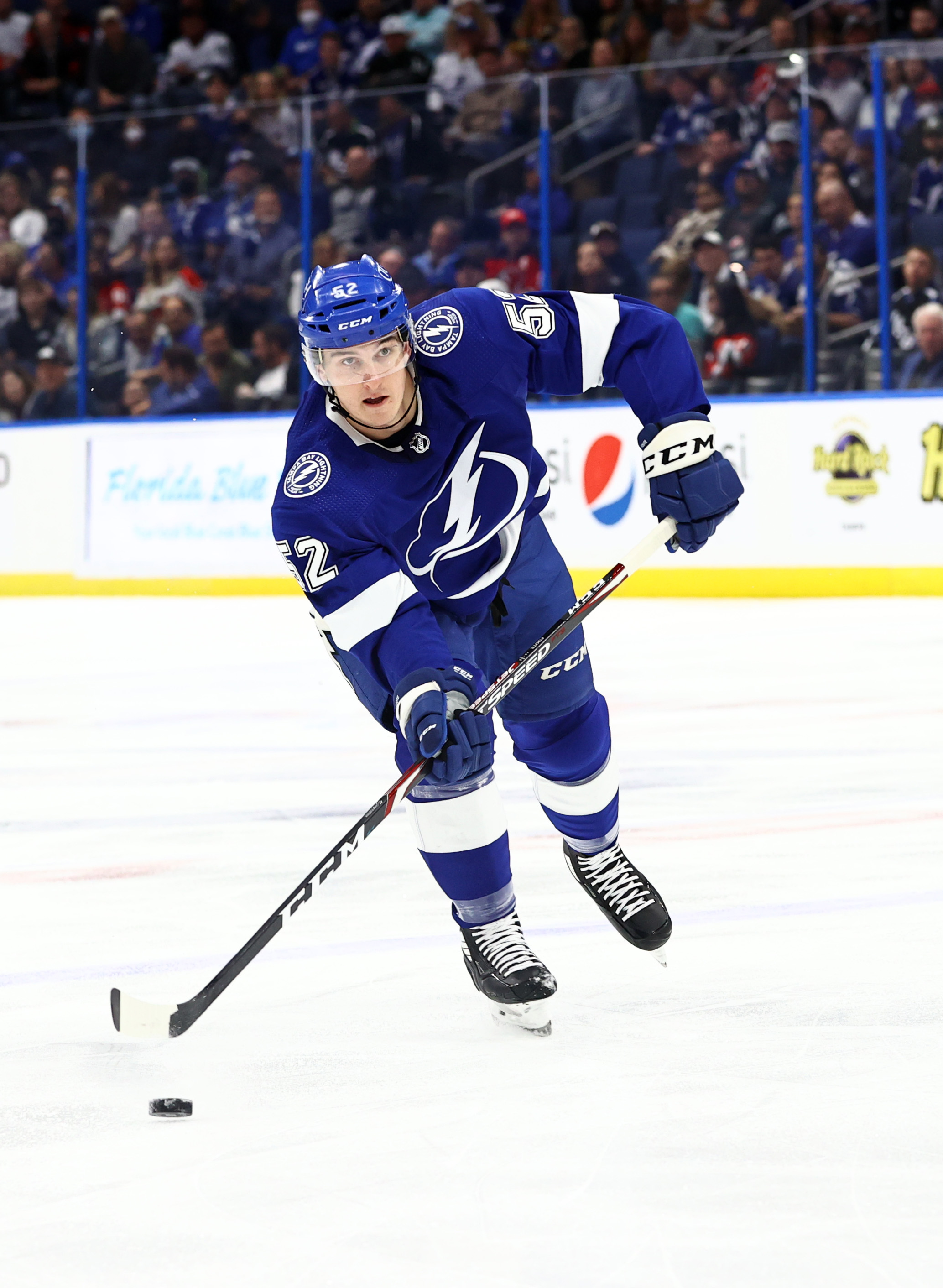 It would be fair to argue that it would serve Tampa better to just stand pat, considering how strong their team has been all season. But if they do opt to move out a roster player for a win-now upgrade, defenseman Cal Foote immediately jumps off the page. It’s certainly not time to give up on him yet, but in his second full-time season, he’s got just five points in 37 games and has been sparingly used in the lineup, averaging just 13:35 per game. He’s also the weakest analytical link on the Tampa Bay blue line. In fact, given Foote’s youth and ceiling, general manager Julien BriseBois could likely recoup an asset or two from another team along with a more experienced, veteran defenseman.
If a different deal comes along, the Bolts do still have a closet of later-round picks to deal from in the 2023 Draft. With just six picks remaining in 2022, it’s reasonable to expect that they’d prefer to hold onto those for the time being.
Others To Watch For: F Alex Barre-Boulet ($758k through 2024), F Gabriel Fortier ($792k through 2023), G Hugo Alnefelt ($851k through 2023)
Team Needs
1) Depth Defenseman – It’s poetic that one of the few transactions that makes sense for such a cap-strapped team also fills likely their biggest need in the lineup. Behind Foote on the depth chart is Zach Bogosian, who’s struggled with injury all season, and Andrej Sustr, a European re-entry player this year who’s gotten into just 13 games with one point. Another body would be good insurance for Tampa, especially another left-shot man for the third pairing that would allow them to more comfortably use Mikhail Sergachev up alongside Victor Hedman, where he’s found a good home this season.
2) More Draft Picks – The prospect cupboard is beginning to empty for Tampa, who has drafted very efficiently in recent years to maintain their success. Getting some more mid- to late-round picks in the fold in the right trade could once again pan out to be a star for the Lightning’s stellar scouting group.
Photo courtesy of USA Today Sports Images
Trade Deadline Primer: Detroit Red Wings
With the All-Star break now behind us, the trade deadline looms large and is now less than a month away. Where does each team stand and what moves should they be looking to make? We continue our look around the league with the Detroit Red Wings.
The Detroit Red Wings have impressed this season, enjoying growth all around from their young core and gigantic rookie performances from Lucas Raymond and Moritz Seider. With the playoff picture in the Eastern Conference virtually set in stone, though, any playoff aspirations for Detroit at this point are ill-advised, but that doesn’t take away from the extremely solid stepping-stone season Detroit and general manager Steve Yzerman have built to help set up the future.
Record
23-24-6, 5th in the Atlantic
Deadline Status
Seller
Deadline Cap Space
$35.80MM today, $55.49MM in full-season space, 1/3 retention slots used, 43/50 contracts used per CapFriendly
Upcoming Draft Picks
2022: DET 1st, DET 2nd, WSH 2nd, DET 3rd, DET 4th, COL 4th, VGK 4th, DET 5th, DET 7th
2023: DET 1st, DET 2nd, DET 3rd, DET 4th, DET 5th, DET 6th, DET 7th
Trade Chips
Detroit’s on the emerging end of a rebuild, so any decent player with term for the Wings is likely safe from trade speculation. However, there’s a decent amount of pending unrestricted free agents for whom Detroit would love to retain assets.
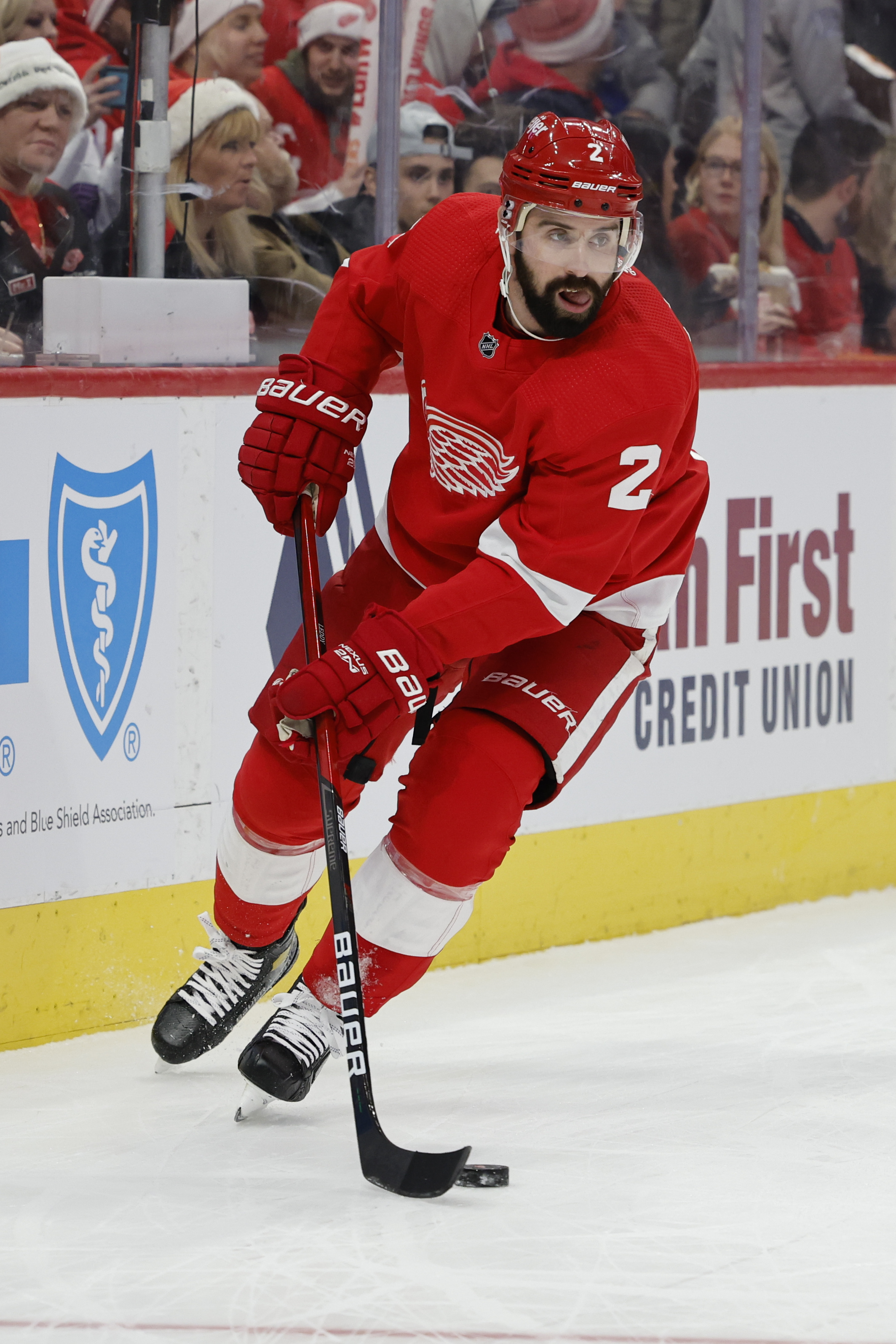 The highest-caliber of these Detroit pending free agents is undoubtedly defenseman Nick Leddy. The long-time New York Islander was shipped to Detroit this past offseason in a salary-clearing move, with Detroit yielding a second-round pick to acquire his services. The 30-year-old has 12 points in 48 games this year and is still capable of logging top-four minutes, meaning that Yzerman should be able to at least recoup similar value for Leddy on the trade market. Leddy has struggled defensively, often being outshined by his partner Seider, but could benefit from facing lesser competition on a better team.
Marc Staal is another left-shot veteran defenseman on an expiring deal that could make some sense for teams. He’s having his best season in recent memory, rebounding with some solid two-way play after being an analytical nightmare for the past few years. His +12 rating is the only positive rating among active Detroit defensemen, and with a reasonable $2MM cap hit, many contenders could work him into a third-pairing/seventh man role with ease. He does have a no-movement clause, however, meaning he’d need to accept any trade in order for it to clear.
On offense, there’s Vladislav Namestnikov. Fifth on the team in goals with 13, he’s having a much better season than his first year in Detroit. He’s a good two-way presence capable of logging middle-six minutes, and his versatility among forward positions makes him an attractive option to have in the lineup when injury strikes. He could likely command a third- or fourth-round pick on the trade market, perhaps more.
Others To Watch For: F Sam Gagner ($850K, pending UFA), D Troy Stecher ($1.7M, pending UFA), G Thomas Greiss ($3.6MM, pending UFA)
Team Needs
1) 2023 Draft Picks — Detroit already has considerable pick depth in 2022 with an additional second-round choice and two extra fourth-round picks, but they’re lacking any additional selections in 2023. With that 2023 Draft class shaping up to be one of the overall highest-quality ones in recent memory, it would be wiser to load up the following year rather than trading for more 2022 selections. It could also give Detroit additional trade chip material at the 2023 Trade Deadline if the team finds itself in playoff contention.
2) Forward Prospects — While the Red Wings have an incredibly bright and deep future on defense, the Red Wings are now lacking many high-end forward prospects in the team’s development system after players like Lucas Raymond and Joe Veleno have graduated to full-time NHL roles. Additional depth there would be a nice get for Detroit.
Photo courtesy of USA Today Sports Images
Trade Deadline Primer: Toronto Maple Leafs
With the All-Star break now behind us, the trade deadline looms large and is now less than a month away. Where does each team stand and what moves should they be looking to make? We continue our look around the league with the Toronto Maple Leafs.
As has been the case for the past few seasons, the Toronto Maple Leafs are once again under immense pressure to buy at the deadline and finally make the jump out of the first round of the playoffs. The team has already made one move, adding defensive depth to the roster in the form of former Arizona Coyote Ilya Lyubushkin, but with some potential added cap flexibility due to defenseman Jake Muzzin‘s injury, general manager Kyle Dubas has the chance to make a bigger splash prior to March 21st.
Record
33-14-4, 3rd in the Atlantic
Deadline Status
Buyer
Deadline Cap Space
$4.47MM today, $4.47MM in full-season space, 1/3 retention slots used, 47/50 contracts used per CapFriendly
Upcoming Draft Picks
2022: TOR 1st, TOR 2nd, TOR 7th*
2023: TOR 1st, TOR 2nd, TOR 3rd, TOR 4th, TOR 5th, TOR 6th
* – if Brennan Menell plays 30 regular-season games for Toronto in 2021-22, the Minnesota Wild receive Toronto’s 2022 seventh-round pick. Menell has yet to make his Leafs debut this season.
Trade Chips
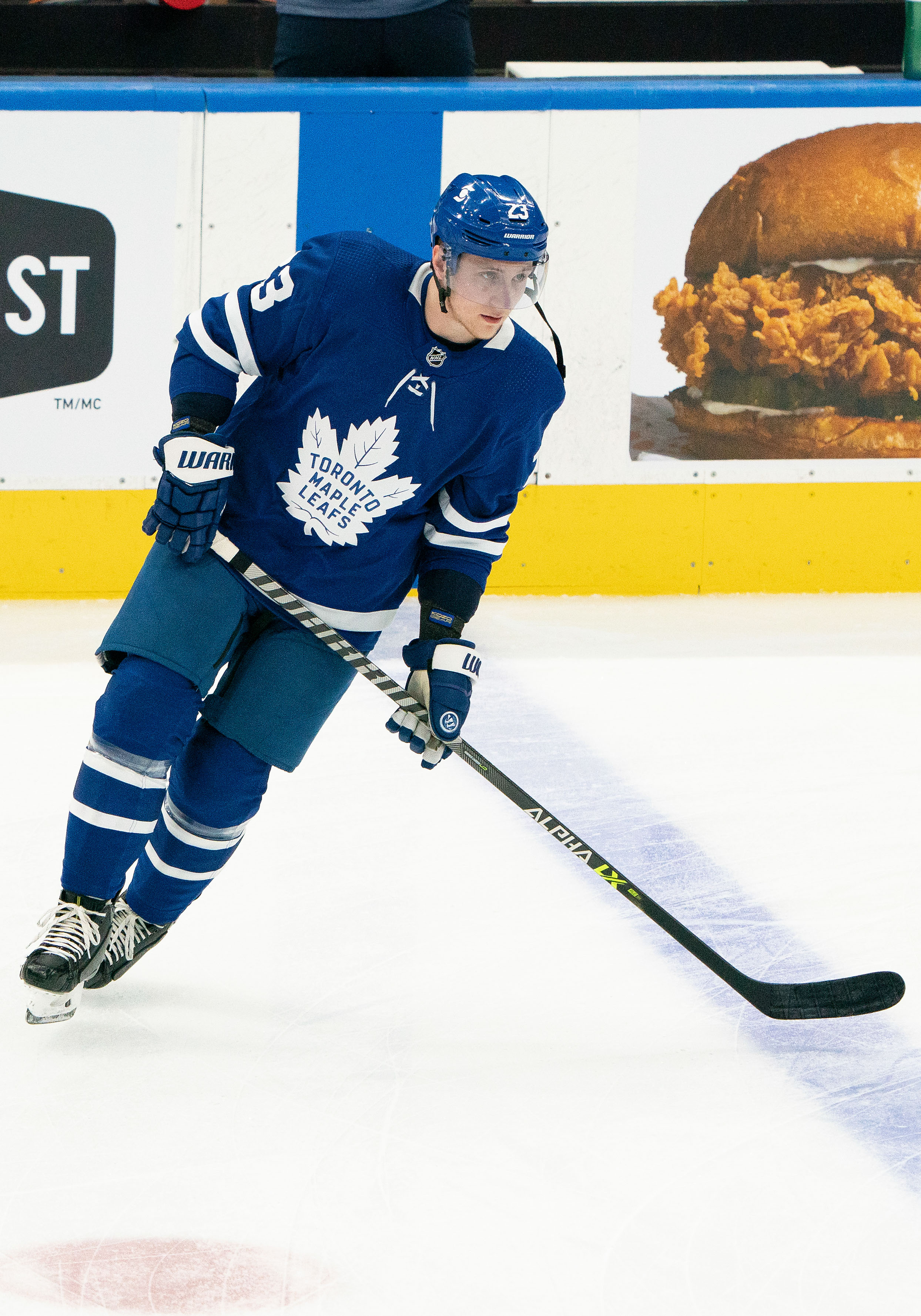 It’s been widely reported that the team is reluctant to move their first-round pick this year or much of their top prospect pool. Taking that into account, it’s likely that any trade package includes a body from their now-extremely deep defensive pool. The most appealing option for trade partners is likely Travis Dermott. The team’s second-round selection in 2015 has been continually pushed down the depth chart by the emergence of Rasmus Sandin, but still has upside at 25 years old. He’s consistently mustered solid defensive results, and increased opportunity could help unlock some more offense. He has just five points in 37 games this year.
There’s also the matter of Justin Holl. He offers some cost certainty for teams, which is appealing — he’s locked into a $2MM cap hit through the end of next season. But he’s been prone to some egregious defensive mistakes this season, causing him to slip further down the lineup and become a healthy scratch at times. He does have experience playing top-four minutes, though, and does have a solid defensive track record throughout his short career. He still likely has some trade value.
Toronto also has a trio of young goalies in their AHL system in Erik Källgren, Joseph Woll, and Ian Scott. While the organization is high on Woll and would prefer to retain him, one of Kallgren or Scott could almost certainly be a part of a trade package. Källgren in particular likely carries some value, as he’s posted a solid .909 SV% in 22 AHL games and was the netminder behind Växjo’s run to the Swedish Hockey League championship in 2021.
Others To Watch For: F Alex Steeves ($834K through 2024), F Pontus Holmberg ($828k through 2023), D Mac Hollowell ($800k this year, $750k through 2023)
Team Needs
1) Wing Depth — Toronto has gotten impressive seasons out of free-agent wild cards Michael Bunting and Ondrej Kase, as well as Alexander Kerfoot and Ilya Mikheyev. But too much depth is never a bad thing, and the Leafs could use an upgrade to slot into the top-six, likely alongside John Tavares on the second line. Kerfoot’s versatility allows him to slide back down to a third-line role with ease, helping create a better matchup game for head coach Sheldon Keefe come playoff time.
2) Potential Muzzin Replacement — The health status of Jake Muzzin for the playoffs remains uncertain, as he’s on long-term injured reserve indefinitely as he recovers from his second concussion in a short timeframe. If Muzzin isn’t ready to go, an experienced left-shot D-man (Mark Giordano?) could make sense, especially as to not put too much pressure on the shoulders of the young Sandin and Liljegren.
Photo courtesy of USA Today Sports Images
This Day In Transactions History: Lightning Acquire Ryan McDonagh And J.T. Miller
Four years ago today was the 2018 NHL trade deadline, one that featured several notable swaps, including Evander Kane to the Sharks, Tomas Tatar to the Golden Knights, and Paul Stastny to the Jets. But the biggest one of all came from the Lightning and Rangers. New York had released their letter committing to rebuilding their franchise earlier in the month and had already made some moves to shore up their future. This was their biggest one with Tampa Bay moving out several future assets in an effort to win now.
The Lightning picked up defenseman Ryan McDonagh along with winger J.T. Miller in exchange for winger Vladislav Namestnikov, center Brett Howden, defenseman Libor Hajek, plus a first-round pick in 2018 and a second-rounder in 2019. It has only been four years but it’s safe to say it worked out a whole lot better for Tampa Bay than it did for New York.
McDonagh immediately became a stabilizing force on the back end for the Lightning. They didn’t need him to play upwards of 24 minutes a night as he was with the Rangers but gave them someone beyond Victor Hedman and Anton Stralman that was capable of shouldering a key load on the back end. Then-GM Steve Yzerman wasted little time working on an extension with McDonagh and as soon as he became eligible to sign one in July, McDonagh inked a seven-year, $47.25MM deal to ensure he’ll be sticking around for the long haul.
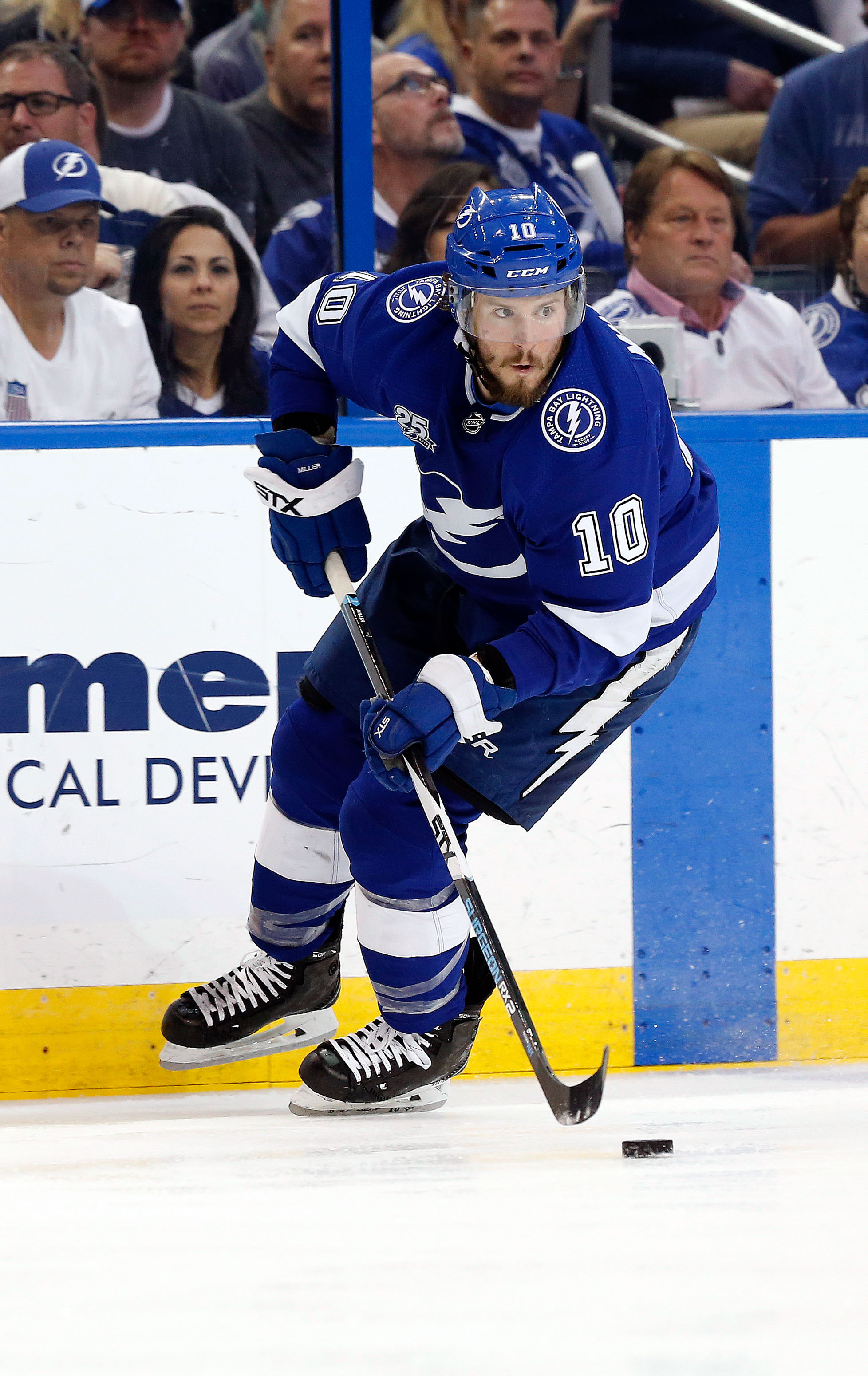 Miller didn’t exactly have the same fate. He was quite productive down the stretch for Tampa Bay, averaging nearly a point per game after the trade but struggled in the playoffs and didn’t produce as much the following year. That resulted in him being traded to Vancouver for a pair of draft picks, including the 2020 first-round selection that they ultimately flipped to New Jersey in 2020 as part of the Blake Coleman trade. Coleman, of course, played an important role on Tampa Bay’s Cup-winning teams in 2020 and 2021 so even though Miller didn’t have the type of impact they were hoping for, they still ultimately got a good return out of his inclusion in the trade.
As for what the Rangers got, things haven’t gone quite so well. Namestnikov was quiet down the stretch but his performance with Tampa Bay before the trade was still good enough to land him a two-year, $8MM contract that would take him to unrestricted free agency. One year later after a quiet season, he was flipped in a cap-clearing trade for minor league blueliner Nick Ebert and a fourth-round pick in 2021 that was used on Kalle Vaisanen. Not a great return on the impact forward they were hoping Namestnikov would be. He’s now in Detroit and is a candidate to be moved by March 21st.
Howden was a first-round pick of the Lightning back in 2016 (27th overall) and profiled as a key two-way center after putting up some impressive numbers in junior. However, that offensive output didn’t materialize in the pros and after scoring just 16 goals in 178 games over parts of three seasons with the Rangers, they gave up on him, sending him to Vegas for a 2022 fourth-round pick. Howden has actually done fairly well this season with 18 points in 39 games for the Golden Knights despite spending a lot of time on the fourth line.
Hajek was another player who impressed at the junior level and it looked as if he’d become a quality NHL defenseman before too long. While he was a regular for a lot of last season, he was a fixture on the third pairing with sheltered minutes and this year, he has been a frequent healthy scratch. They don’t want to lose him for nothing on waivers but this is a situation where if they move him, the return will almost certainly be as underwhelming as Howden’s was.
As for the draft picks, it’s a bit too early to make any significant conclusions on those. The first-rounder yielded defenseman Nils Lundkvist and while he has been fairly quiet in his first season in North America, his track record of offensive success in Sweden is promising. The second-rounder turned into center Karl Henriksson who isn’t putting up big numbers in Frolunda of the SHL but is holding down a regular spot in the lineup. Both could certainly be part of New York’s future with Lundkvist getting a sniff of NHL action earlier this season.
For New York to have any chance of salvaging any sort of value from this trade, they’ll need those prospects to become impact players. They’re down to Vaisanen, Lundkvist, Henriksson, a fourth-round pick, and Hajek (or whatever limited return they get for him). That’s not a great return from a trade that they were hoping would give them several long-term building blocks for the future, a cautionary tale for how even trading for players that appear to be quality prospects can still not work out as well as intended. Meanwhile, Tampa Bay has won a couple of Stanley Cup titles since then and while McDonagh’s contract may not age great considering he’s signed through 2026, he’s still playing an important role for them. The biggest swap of the 2018 deadline looks like a clear-cut victory for them as a result.
Photo courtesy of USA Today Sports Images.
Trade Candidate: Phil Kessel
With the trade deadline now less than a month away, we continue our look at some of the players who have a good chance of being on the move between now and March 21st.
Over the summer, the Coyotes moved out several veterans and really dove into their long-term rebuilding project. However, one veteran that wasn’t moved out at that time was winger Phil Kessel. With playoff-bound teams looking to add some scoring depth between now and the trade deadline, it stands to reason that there’s a good chance that Kessel will be on the move in the coming weeks.
Contract
Kessel is in the final season of his deal that carries a $8MM cap hit. $5MM of his money owing for this season was paid out in a signing bonus while his base salary is only $1MM. Toronto is retaining 15% of that amount so Arizona’s cap hit is $6.8MM. The contract also contains an eight-team no-trade clause.
2021-22
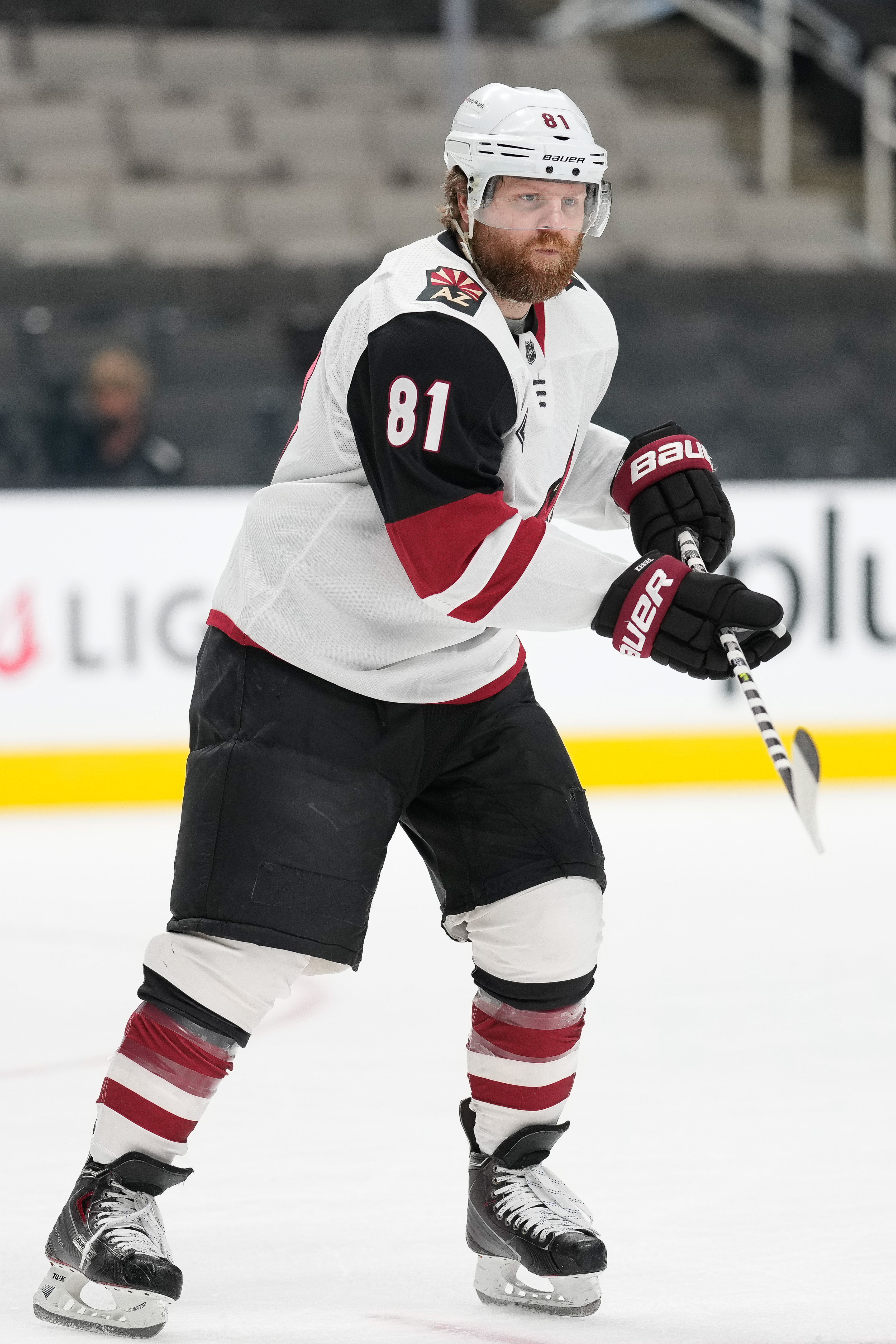 It has been a tough year for many Coyotes as Arizona sits in the basement of the Western Conference. It wouldn’t necessarily be fair to lump Kessel in with that majority, however. His goal total is down but his assist numbers are the best they’ve been in the desert. As a result, he sits second on the team in scoring behind Clayton Keller.
Despite several of their top players moving, it hasn’t really resulted in an increase in ice time for the 34-year-old which is in contrast to their other higher-scoring forwards. Keller is averaging more than three minutes a game more, so is Lawson Crouse, and Travis Boyd (who wasn’t with Arizona last year) is logging over four minutes a night higher as he has gotten the type of opportunity that eluded him in the past. Kessel, meanwhile, is averaging 13 seconds per game more than last year.
Unsurprisingly, his utilization is the same as usual – lots of power play time and the rest at five on five. Wherever he winds up going, that should stay intact as he’s never going to be the type of player that kills penalties and plays in key defensive situations but in offensive areas, he can still contribute.
Season Stats
51 GP, 6 goals, 27 assists, 33 points, -11 rating, 18 PIMS, 109 shots, 17:18 TOI, 48.0 CF%
Potential Suitors
Most contenders don’t have the ability to take on $6.8MM in a trade but Arizona has one retention slot left (Oliver Ekman-Larsson and Darcy Kuemper are the two they’ve used) and with his salary being as low as it is, it’s likely that the Coyotes will be open to using that last slot to retain half of the cap hit to help facilitate a move. Worth noting, Toronto’s retention means that Kessel isn’t eligible for the double-retention move we’ve seen some teams make the last couple of seasons but there should still be some interest.
In the East, the Rangers have the cap space to go after Kessel. While shoring up their bottom six is a priority, adding Kessel would allow them to push someone else down into that lower group which would still serve as an upgrade and he’d be an interesting shooter with Artemi Panarin on the opposite wing. The Panthers seem to be thinking big but Kessel would work as a fallback option, bolstering what is an already very strong offensive squad. If the Bruins strike out on some of their targets, a reunion with Kessel would make sense in terms of shoring up their production on the wing but would both sides be open to that?
There are more fits out West. Like the Rangers, the Predators have ample cap space and someone like Kessel would bolster what has been a middle-of-the-pack attack. The Wild are basically stuck looking at rentals with their buyout penalties looming large for next season and while they’re already one of the highest-scoring teams in the league, they could double down on their strengths and deepen their attack. The Pacific Division also has some reasonable options. If Anaheim looks to add, they have ample cap space and could certainly use some extra offensive depth. The Sharks are currently out but if they can win a few games to get back into the race, they’d be a good fit as well. The Kings currently have the space right now with their LTIR situation and would benefit from more firepower but their ability to add largely hinges on Alexander Edler’s situation.
Likelihood Of A Trade
There probably isn’t going to be a significant market for Kessel with the contract and as he is someone that’s going to be more of a secondary option than a primary target, it may take a while for it to materialize. But assuming the acquisition cost winds up in the mid-round pick range, the veteran should be on the move at some point before the deadline.
Photo courtesy of USA Today Sports Images.
Trade Deadline Primer: Buffalo Sabres
With the All-Star break now behind us, the trade deadline looms large and is now less than a month away. Where does each team stand and what moves should they be looking to make? We continue our look around the league with the Buffalo Sabres.
The trade deadline has been known as a selling time for the Sabres as they’ve missed the playoffs for ten straight years and are now embarking on a new rebuild as their postseason drought will be extended once again. While there is hope that some of their younger players will help them out of this playoff drought (they have performed better under Don Granato this season), Buffalo will be in an all too familiar position over the next few weeks.
Record
16-28-8, 7th in the Atlantic
Deadline Status
Seller
Deadline Cap Space
$41.49MM today, $66.38MM in full-season space, 0/3 retention slots used, 46/50 contracts used per CapFriendly
Upcoming Draft Picks
2022: BUF 1st, FLA 1st*, VGK 1st^, BUF 2nd, BUF 3rd, BUF 4th, NJ 5th, BUF 6th, BUF 7th
2023: BUF 1st, BUF 2nd, PHI 2nd, VGK 2nd^, BUF 4th, BUF 5th, BUF 6th, BUF 7th
*-If Florida’s pick is in the top ten, the Panthers will instead transfer their 2023 first-rounder (unprotected).
^-If Vegas’ 2022 first-round pick is in the top ten, the Golden Knights will instead transfer their 2023 first-rounder (unprotected). If that happens, the 2023 second-round pick will become a 2024 second-rounder while Buffalo would keep their 2023 third-rounder and instead transfer their 2024 third-round pick.
Trade Chips
Cody Eakin has moved at the trade deadline before and checks off two boxes that contending teams often look to fill on the fourth line. The center can win faceoffs (56.5% success rate this season, a career high) and kill penalties. At $2.25MM, the pending unrestricted free agent is overpaid for that role but if Buffalo is willing to pay that down by up to the maximum of 50%, there should be some teams interested in his services.
Robert Hagg isn’t going to light up the scoresheet but he hits, blocks shots, and can hold his own on the third pairing as he’s logging a little over 17 minutes a game. That’s not a particularly exciting profile on the surface but as teams look to add some grit and depth, the 27-year-old pending UFA should intrigue some playoff-bound teams. At $1.6MM, his deal shouldn’t need to be paid down. Colin Miller is another pending UFA blueliner that could attract some interest although an upper-body injury will keep him out for a few more weeks which won’t help his value. His price tag is higher at $3.875MM and will need some retention but he’s a right-shot defender which is an area that several teams will be looking to fill.
Victor Olofsson remains a restricted free agent to keep an eye on. The 26-year-old has gone cold in recent weeks but is a capable shooter, especially on the power play. For teams interested in adding some firepower on that front, he can help and unlike the others listed so far, he has another year of team control. But at $3.25MM, the qualifying offer could scare some teams off, especially with his eligibility for arbitration where his 20-goal season in 2019-20 could help him earn a raise. He’s not a guarantee to move but he could be someone to watch for.
For teams looking for less expensive forward depth, rental winger Vinnie Hinostroza may be of interest. He should be able to return from his lower-body injury in the next little while and with 17 points in 36 games, he’d be an offensive upgrade in the bottom six for some playoff-bound squads. He won’t be a primary target but as a depth addition closer to the deadline, there could be some interest, especially with him having an affordable $1.05MM AAV.
Johnny Boychuk’s playing career is already over but he’s an LTIR-eligible contract. Buffalo hasn’t put him on there – it’s not as if they need the cap space – but a team that could fit him under their cap and then place him on LTIR to expand their pool could come calling. Such a move is rare but there is precedent for it happening.
Others To Watch For: G Craig Anderson ($750K, UFA), F Anders Bjork ($1.6MM through 2022-23), D Will Butcher ($2.823MM, UFA)
Team Needs
1) Bang For Their Buck – The Sabres have more cap space than anyone, putting them in a position to be willing to accept bad contracts or be a third-party facilitator with retention to add some draft picks. If ownership is willing to give them the okay to do so from a budgetary perspective, it’s something GM Kevyn Adams should be looking to utilize.
2) Future Goaltending – It’s easy to say they need picks and prospects (they’ll get more of the former than the latter with their rentals) but let’s look beyond that for a moment. Ukko-Pekka Luukkonen is getting close to being ready for the NHL but he’s going to need a quality veteran to work with and the collection of goalies they have making the league minimum (or slightly more) isn’t going to cut it. This doesn’t have to be a need they fill now but if they’re willing to take on a contract now, getting a goalie wouldn’t be a bad idea. The same idea could be applied to bringing in a veteran defender or even a forward as Buffalo could basically use longer-term upgrades everywhere.
Trade Deadline Primer: Ottawa Senators
With the All-Star break now behind us, the trade deadline looms large and is now less than a month away. Where does each team stand and what moves should they be looking to make? We continue our look around the league with the Ottawa Senators.
Things haven’t gone completely according to plan for Ottawa this season. This was supposed to be the end of the rebuilding phase with GM Pierre Dorion going as far as saying before training camp that “The rebuild is done. Now we’re stepping into another zone”. As it turns out, the rebuild isn’t done and they’re in the same zone they have been as they’re set to miss the playoffs for the fifth straight season. While brighter days are certainly on the horizon with the depth of their prospect pool, they will be doing what they’ve been accustomed to in recent years at the deadline.
Record
19-26-5, 6th in the Atlantic
Deadline Status
Short-Term Seller, Long-Term Buyer
Deadline Cap Space
$33.94MM today, $55.15MM in full-season space, 0/3 retention slots used, 45/50 contracts used per CapFriendly
Upcoming Draft Picks
2022: OTT 1st, OTT 2nd, TB 2nd, BOS 3rd, OTT 3rd, VAN 3rd, OTT 5th, OTT 6th, NYR 7th, OTT 7th
2023: OTT 1st, OTT 2nd, OTT 3rd, OTT 4th, OTT 5th, OTT 6th, OTT 7th, NSH 7th
Trade Chips
Ottawa’s biggest trade chip is one they’re hoping not to trade at all in forward Nick Paul. The 26-year-old has gone from the wing to playing down the middle in recent years while being a capable depth scorer. He has improved on that front a bit this season, matching his previous career high in goals with nine while playing a sound defensive game with a bit of physicality. This is the type of profile that many playoff-bound teams would want to add to their bottom six. The Senators would also like to retain the pending unrestricted free agent and Paul recently expressed some confidence that they’ll be able to reach an agreement. He’s heading for a sizable raise from his current $1.35MM AAV and we’ll find out over the next few weeks if it’ll be Ottawa giving it to him or if he’ll be on the move.
Anton Forsberg has done a nice job of re-establishing some value since joining Ottawa last season. He bounced around on waivers for the first half of 2020-21 but has basically been the starter for the Sens this year with Matt Murray struggling early on. His .917 SV% is certainly appealing to contenders but his $900K cap hit will be even more attractive. He could fit on some playoff-bound squads as a backup and others as third-string insurance and both of those options could apply to the Senators as well. If they can’t work out an extension, the pending UFA could be one of the goalies on the move.
Center depth is always something that’s in demand at this time of year and Chris Tierney fits the definition of a depth center. In the past, he has been capable of playing in the top six although that’s not the most ideal role for him now. He can still kill penalties and while he has been a bit below average on faceoffs this season, he’s not too far removed from being a little above the league average on that front. He could fit on the third line for some teams but he’d certainly boost the fourth line for many playoff-bound squads. The pending UFA has a $3.5MM AAV that Ottawa will need to pay down but assuming they’re willing to do so, they should be able to add to their stable of draft picks.
Another element that playoff-bound teams like to add is grit and that’s where Zach Sanford should draw some interest. Included as a cap dump in the Logan Brown trade, the 27-year-old has had a decent season for Ottawa with 15 points in 50 games but it’s the 104 hits that he has that will catch the eye of contenders. Again, some retention may be necessary here with a $2MM AAV before he hits the open market in the summer but Sanford would fit on the fourth line for quite a few playoff teams.
Others To Watch For: D Josh Brown ($1.2MM, UFA), D Michael Del Zotto ($2MM through 2022-23), F Tyler Ennis ($900K, UFA), D Victor Mete ($1.2MM, RFA)
Team Needs
1) Draft Picks: While none of the above names are going to yield significant draft picks, Ottawa has several players that could fetch a mid-round selection. With ten selections already for the 2022 draft, this may be an opportunity for Dorion to add picks in future years.
2) Center Help: This isn’t as big of a need for this season since they’re not in the playoff hunt but this year has exposed some holes in their depth down the middle. Josh Norris and Shane Pinto will be part of the future plans and oft-injured Colin White is still signed for three more years but most of their remaining options are pending free agents (RFA or UFA). A capable middle-six center would go a long way towards shoring up their depth, especially as they hope to be in the playoff mix next season.
3) Bridge Veterans: This is something that Dorion could look to in free agency but Ottawa’s cap space could make them a buyer for assets signed beyond this season. Every young team needs quality veterans to help them take that next step forward and right now, there simply aren’t that many in the organization. If there’s a chance to get one or two in the next few weeks by helping to facilitate a trade for a cap-strapped contender, it’d be one worth looking into.
Trade Deadline Primer: Florida Panthers
With the All-Star break now behind us, the trade deadline looms large and is now less than a month away. Where does each team stand and what moves should they be looking to make? We continue our look around the league with the Florida Panthers.
After an impressive first season at the helm of the Florida Panthers, GM Bill Zito made moves in the offseason to shore up the Panthers’ roster, adding Sam Reinhart from Buffalo and extending his previous additions in Sam Bennett, Carter Verhaeghe, and Anthony Duclair. Despite some early-season upheaval with the resignation of head coach Joel Quenneville, interim head coach Andrew Brunette has steadied the ship and has the Panthers surging to the top of the league’s standings. This is a very well-constructed team, and their success this season has certainly earned their players the right to expect some reinforcements from the trade market, which is why Zito is expected to be among the buyers during this trade deadline.
Record
35-11-5, 1st in the Atlantic
Deadline Status
Buyer
Deadline Cap Space
$3.845MM today, $3.845MM in full-season space, 0/3 retention slots used, 41/50 contracts used per CapFriendly.
Upcoming Draft Picks
2022: FLA 3rd, FLA 4th, FLA 5th, FLA 6th, CGY 6th, FLA 7th
2023: FLA 1st, FLA 2nd, FLA 3rd, FLA 4th, FLA 5th, FLA 6th, FLA 7th, ARZ 7th
Trade Chips
Given their results this season, the Panthers are not likely to make moves that would send away key components of their NHL lineup. Expecting Zito to trade a player like Anton Lundell, for example, who is currently playing a major role as the team’s third-line center, would be a mistake. Instead, most expect the Panthers to deal from their stable of prospects and draft picks in order to make upgrades. One player attracting attention is winger Owen Tippett. Tippett, 23, was the tenth-overall pick in the 2017 NHL draft and has been so far unable to establish himself as a legitimate NHL-caliber scoring option. After a stretch of 42 games where Tippett registered six goals and 14 points, he found himself a frequent healthy scratch and was recently sent down to the AHL’s Charlotte Checkers, where he now has four assists in two games. Tippett plays an offensive style of hockey that is best suited for one of his team’s scoring lines, but he has not been able to stay on a scoring line in Florida given the team’s significant pre-existing depth at each winger position. Tippett represents a sort of asset that has depreciated in value since his draft season and could be ideal for a team seeking to unlock the upside that made him a top prospect in the first place.
The Panthers’ next first-round choice after Tippett was Russian winger Grigori Denisenko, who they drafted 15th overall in 2018. Denisenko is in a similar position to Tippett, in that he’s a scoring winger who has been so far unable to establish himself in the NHL and is therefore mentioned in trade rumors regarding the Panthers. Denisenko, stylistically speaking, is a bit different from Tippett. Tippett plays an honest, relatively straightforward offensively-oriented game. Denisenko, on the other hand, has a rambunctious, swashbuckling offensive style that can be both endearing and frustrating for fans and coaches alike. He is a genuinely interesting prospect, but one has to question his trajectory given that he has tallied in the fifth-lowest NHL games played of the entire 2018 first round, which plays into why he is listed as a “trade chip” rather than considered an untouchable core prospect.
If a team trading with Florida wants to acquire someone with more NHL experience than either of those prospects, they could opt for winger Frank Vatrano, who has fallen out of his normal place as a regular in the Panthers lineup. Vatrano, 27, is an undrafted player who broke out in the 2018-19 season, when he scored 24 goals and 39 points playing next to Aleksander Barkov. Vatrano followed up that campaign with two seasons where he scored 16 and 18 goals, respectively, and seemed to have solidified his place as a reliable top-nine goal-scorer. But this season has not gone as planned for Vatrano, and he has been a healthy scratch as of recent weeks. He has only eight goals and 14 points in 40 games played, a reduction in his normal offensive production. He is a pending unrestricted free agent with a cap hit of $2.53MM, so it is definitely possible that he is included in trades in order to balance the cap going each way, especially as it seems that he is no longer part of the Panthers’ long-term plans.
Other Potential Trade Chips: F Serron Noel (894k through 2022-23), D Markus Nutivaara ($2.7MM through 2021-2022), F Mackie Samoskevich (unsigned prospect)
Team Needs

1) Top-Four Defenseman (preferably left-handed): The Panthers currently run a top pairing of MacKenzie Weegar and Aaron Ekblad, who are elite together, but they likely would prefer to get Ekblad a different (but still capable) partner so that Weegar could return to playing with Gustav Forsling as he did last season. Being paired with Weegar helped Forsling reach new heights in his career, and while he has been solid this season with a different regular partner it is clear that the team could be best off reuniting the two. Additionally, the Panthers’ sixth defensive spot has rotated between Olli Juolevi and Lucas Carlsson this season. A team would ideally have three solidified defensive pairings going into the playoffs, and adding a proven defenseman would allow the Panthers to have that. In terms of who they may target, the Panthers seem to be interested in shopping for a significant addition to fill their defensive need, as Jeff Marek of Sportsnet has linked the Panthers to Arizona Coyotes star defenseman Jakob Chychrun.
2) Additional Forward Help: As things currently stand, the Panthers are set to play Maxim Mamin as the first-line right winger next to Barkov. Mamin is a player who has scored at decent levels in the KHL (35 points in 55 games for CSKA Moscow in 2020-2021) but has yet to translate that into consistent NHL production. He has only 13 points in his 57 career NHL games, for reference. For a team that rightfully considers itself a legitimate contender to win the Stanley Cup, it is reasonable to expect them to pursue some sort of upgrade along the wings to bolster that section of their lineup.
3) Backup Goaltender: If the Panthers are steadfast in their intent to let Spencer Knight develop with the Checkers in the AHL, backup goaltender could be a need the Panthers address at the trade deadline. Their current backup to Sergei Bobrovsky is Jonas Johansson, who has yet to make an appearance for the team this season. Johansson had a .885 save percentage in 9 games for the Avalanche in 2020-2021 and is unlikely to be someone the Panthers feel confident in, should Bobrovsky become suddenly unavailable down the stretch. Injuries are commonplace given the physical nature of playoff hockey, so in order to prevent one injury from wiping away their playoff dreams, the Panthers could look to upgrade their insurance policy behind Bobrovsky.
Photo courtesy of USA Today Sports Images
Trade Deadline Primer: New York Rangers
With the All-Star break now behind us, the trade deadline looms large and is now less than a month away. Where does each team stand and what moves should they be looking to make? We continue our look around the league with the New York Rangers.
The Rangers opted to shake things up over the offseason with Chris Drury being promoted to GM and Gerard Gallant taking over as their new head coach. The roster was also reshaped and the results have certainly been promising as they’ve gone from a team that missed the playoffs to one that is within striking distance of first place in the East. As a result, Drury will be busy looking to add but with their salary cap situation, they will be balancing the short term and the long term with any acquisitions.
Record
32-13-5, 3rd in the Metropolitan
Deadline Status
Buyer
Deadline Cap Space
$20MMM today, $33.5MM in full-season space, 0/3 retention slots used, 45/50 contracts used per CapFriendly.
Upcoming Draft Picks
2022: NYR 1st, NYR 2nd, STL 2nd, NYR 4th, WPG 4th, NYR 5th, NYR 6th
2023: NYR 1st, NYR 2nd, NYR 3rd, NYR 4th, NYR 5th, NYR 6th, NYR 7th
Trade Chips
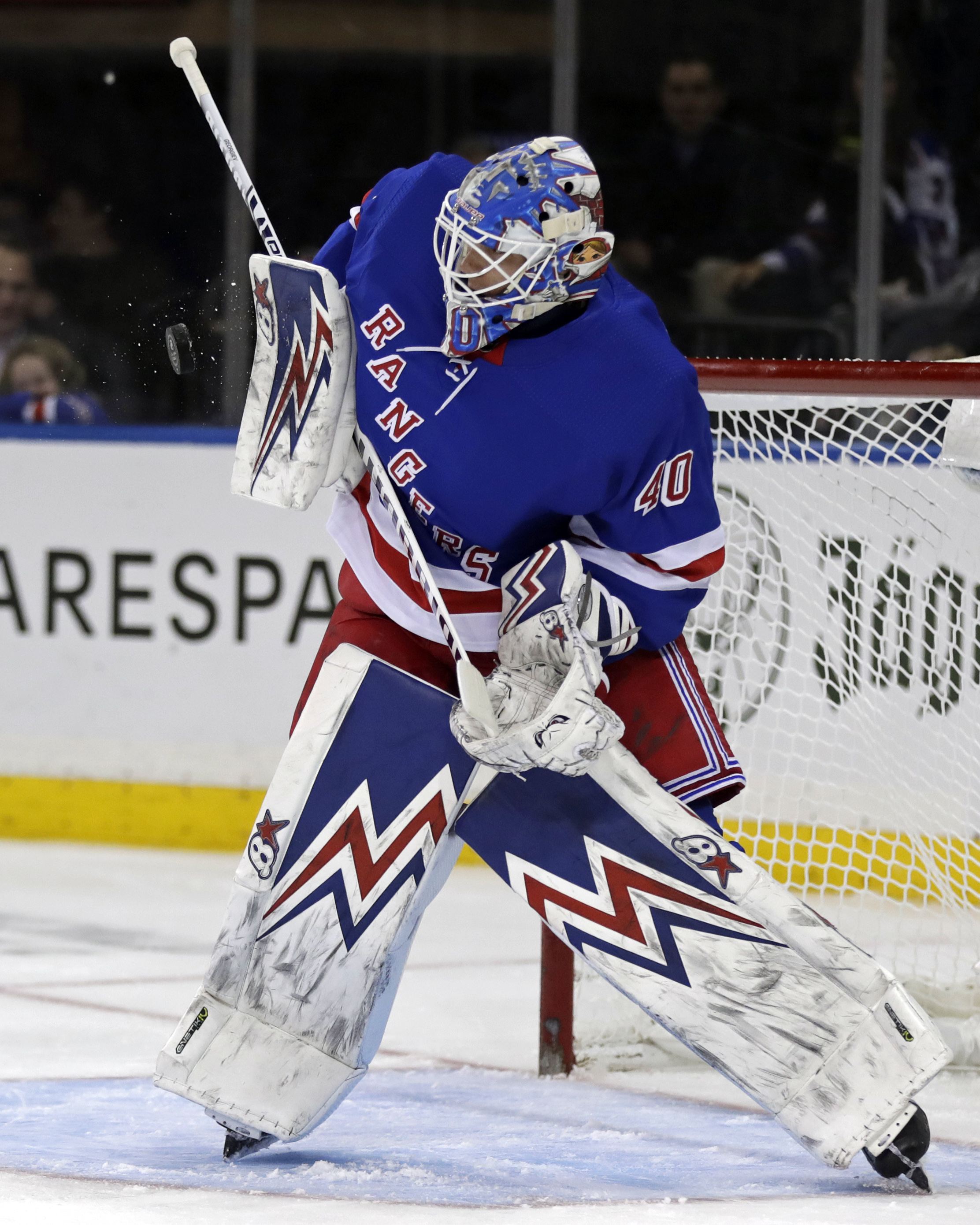 Most contenders wouldn’t want to necessarily subtract from their current roster but it’s an option that New York may need to consider with backup goaltender Alexandar Georgiev. The 26-year-old has made it known that he’d like to play more but with Igor Shesterkin in the fold, that’s not going to happen barring injury. The pending restricted free agent carries a $2.425MM cap hit and is owed a qualifying offer of $2.65MM, one that might be a bit too pricey for them for next season. There are some teams that would likely want to get a longer look at Georgiev to see if he could be a longer-term option although the Rangers would be wise to get another goaltender if they opted to move Georgiev now with veteran Keith Kinkaid serving as their third-string option.
Things have not gone well for winger Vitali Kravtsov in his time with the Rangers. The 22-year-old didn’t make the team out of training camp, went back to the KHL, and it’s clear a change of scenery would be beneficial. However, considering he was the ninth overall selection in 2019, his draft status may carry some weight and be appealing to a team looking for a prospect that’s a little more developed over a draft pick. He’s a restricted free agent this summer but it’s hard to see him commanding a big raise on his $925K AAV since he only has 22 games under his belt.
Young defensemen are always desirable commodities to rebuilding teams and New York has one on its roster in Libor Hajek that is struggling to get into the lineup. He has played in just 14 NHL games this season plus five more on a conditioning assignment but is only a year removed from playing in nearly 80% of their games last year. He signed for his qualifying offer last summer for just over $874K and the lack of playing time doesn’t give him a case for much of a raise. With youngster Braden Schneider starting to establish himself, the path to playing time is even steeper now for Hajek and he seems like a logical player that could be added into a trade.
The three-year, $7.5MM given to blueliner Patrik Nemeth raised some eyebrows and he has had a limited role on the third pairing so far without doing a whole lot. If Drury looks to bring someone in with term left on their contract, Nemeth is the type of player they could try to use as a salary offset.
Other Potential Trade Chips: F Morgan Barron ($925K through 2022-23), F Austin Rueschoff ($842K, RFA), F Evan Vierling (unsigned prospect)
Team Needs
1) Forward Depth: Injuries have thinned out New York’s forward depth at times this season and has left their bottom six group a little weaker than they’d like. Replacing Sammy Blais’ grit is one area they’d likely want to add but bringing in a two-way player that can score a bit and kill penalties is another element that would certainly be beneficial for them to add.
2) Top-Four Defender: Adam Fox and Jacob Trouba are proven top-four pieces but after that, New York’s back end primarily consists of younger players or depth veterans like Nemeth or Jarred Tinordi. A veteran that can allow them to take a bit of pressure off their younger players would help with an emphasis on being able to play a key defensive role.
3) Long-Term Center: Mika Zibanejad has his extension for next season so he’ll be in place for the long haul. But Ryan Strome’s fate remains in question and Filip Chytil likely isn’t ready to step onto the second line if Strome doesn’t re-sign. If there’s a way to get a long-term second pivot, that would be a nice pickup for Drury even if it means that Strome winds up moving on.
Photo courtesy of USA Today Sports Images.
Trade Deadline Primer: New Jersey Devils
With the All-Star break now behind us, the trade deadline looms larger and is just a month away. Where does each team stand and what moves should they be looking to make? We continue our look around the league with the New Jersey Devils.
The New Jersey Devils looked poised to put their rebuild behind them this season and push for a playoff spot after signing star defenseman Dougie Hamilton to a seven-year, $63MM contract, and adding veteran forwards Tomas Tatar and Jimmy Vesey, goaltender Jonathan Bernier, and defenseman Ryan Graves to complement a group of developing young talents such as Nico Hischier, Jack Hughes, Jesper Bratt, Dawson Mercer, and Ty Smith. That hoped-for success the Devils saw going into 2021-22 was not realized however, after a tough series of injuries, COVID-protocol absences, and poor play. While the Devils are not the buyers they may have wanted to be, the organization also likely does not consider itself a traditional seller either. The team is poised to shop several veteran assets, but may also look for longer-term building blocks to add in the right situation.
Record:
17-28-5, 8th in the Metropolitan
Deadline Status:
Hesitant seller
Deadline Cap Space:
$21.45MM today, $36.46MM in projected deadline space, 1/3 retention slots used, 47/50 contracts per CapFriendly.
Upcoming Draft Picks:
2022: NJD 1st, NJD 2nd, NJD 3rd, NJD 4th, EDM 4th, NYI 4th, CBJ 5th, NJD 6th, NJD 7th
2023: NJD 1st, NJD 2nd, NJD 3rd, NJD 4th, NJD 5th, NJD 6th, NJD 7th
Trade Chips:
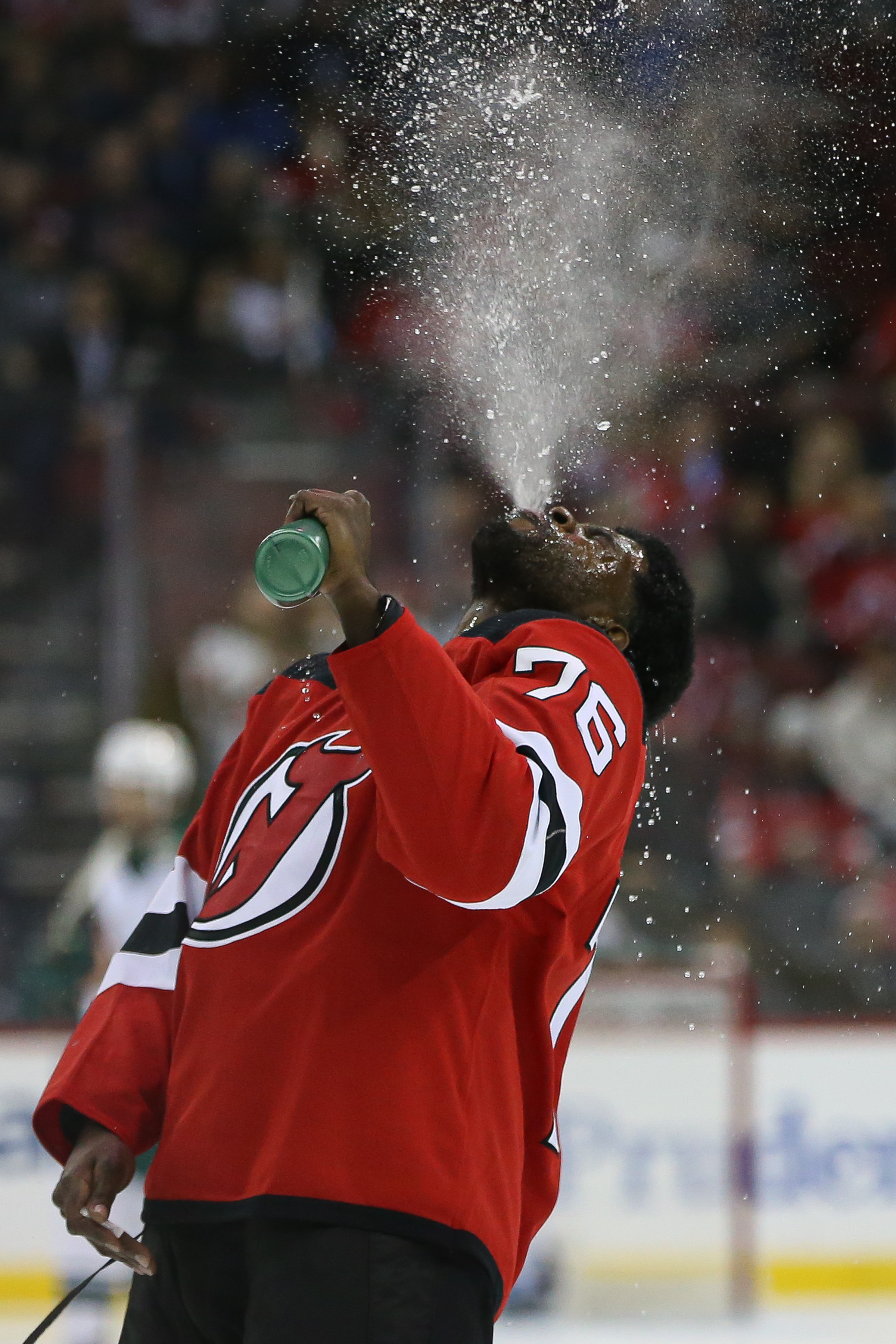 Depending on which direction, or directions, the Devils decide to go at this deadline, they have several pieces they could move in either situation. The most notable piece the Devils have to offer is that of defenseman P.K. Subban. Subban is on an expiring contract, becoming an unrestricted free agent after this season. While certainly a big name who can still make an impact on a powerplay, he is not the player he was when he won the Norris Trophy in 2013 or the player who helped lead the Nashville Predators to a Stanley Cup Final appearance in 2017. Subban has picked up three goals to go along with 14 assists in 47 games this season for New Jersey but has also seen his ice time drop off significantly from last season, decreasing from 22:22 in 2020-21 to 19:34 in 2021-22. Subban’s offensive prowess could be useful to a playoff team, though he does carry a steep $9MM cap hit. While it comes off after this season, it may be a tough squeeze for teams that would benefit from his services, even if the Devils retain a large portion.
New Jersey also has an intriguing unrestricted free agent piece in Vesey. After big-time hype coming out of college, Vesey has been a steady presence in the NHL, albeit not at the level some had him pegged. After struggling last year to just ten points in 50 games between Toronto and Vancouver, which saw him placed on waivers and claimed by the Canucks, Vesey was invited to Devils training camp and made the team. He has performed well for New Jersey, tallying seven goals and six assists in 46 games and being a presence on the penalty kill. While he won’t be a major trade chip, the Devils could expect some demand for the veteran who carries just an $800K cap hit for the remainder of the season.
Looking in another direction, New Jersey could look to buy, so long as they can acquire a piece that acts as a building block for the future. The most notable and discussed of these potential pick-ups is Canucks’ forward Brock Boeser. In addition to draft picks, the Devils have several talented young players they could part with to make a splash. Perhaps the likeliest of candidates is forward Pavel Zacha. Zacha, who the Devils selected sixth overall in the 2015 NHL Entry Draft, has not necessarily reached the heights that were expected of him, but has appeared to find his groove in the past couple of seasons, putting up 29 goals and 29 assists in 97 games over the course of the 2020-21 and 2021-22 seasons so far.
In a trade like this, the Devils could also conceivably be asked to move one or both of Yegor Sharangovich or Smith. Sharangovich, a fifth-round pick in 2018, has been a nice find for the Devils, scoring ten goals and 24 points in 44 games this season on top of 16 goals and 14 assists in 54 games last season. Smith was the Devils’ first-round pick in 2018, going 17th overall. He made his NHL debut last season and played well, but has struggled for much of this year. Presumably, the Devils would prefer to build a package around Zacha, as opposed to a Sharangovich or Smith.
The organization also boasts a strong prospect pool from which to deal. Teams would of course be interested in a top prospect like fourth-overall selection Luke Hughes, or others like Alexander Holtz, Chase Stillman, or Shakir Mukhamadullin, but New Jersey would obviously likely prefer to counter with smaller, but still impactful names such as Reilly Walsh, Nolan Foote, or Daniil Misyul.
Other Potential Trade Chips: F Nathan Bastian ($825K, 2 years, RFA); D Christian Jaros ($800k, RFA); Jon Gillies ($750K, UFA)
Team Needs:
1) Scoring Wingers: The Devils have plenty of depth down the middle, most times employing some of those players on the wing. The team has seen incredibly strong production out of Bratt, and solid, expected production out of Tatar and Andreas Johnsson, but the team should look to add another wing or two to complement the likes of Hughes and Hischier. If all works out, Holtz will fill one of those spots moving forward, but acquiring a player like Boeser, or even Conor Garland, could have a strong impact on the Devils scoring, and bolster the overall depth of the forward group.
2) Defensive Depth: Between Graves and Hamilton, the Devils have created themselves a formidable top pairing. However, for long-term success, the organization must be able to round out its entire defense core. Subban’s tenure with the Devils appears to be ending shortly, and there are questions about Smith’s development. Jonas Siegenthaler has rounded out his game nicely and appears to be a reliable piece for the team. Mukhamadullin and Hughes, if their development goes well, should join the team in the coming years. Still, the team could benefit from adding one or two more formidable defensemen to complement Graves and Hamilton, and bring along the young players.
3) Draft Picks: While the organization is looking to add pieces to join the line up now and end the rebuild, this will be the likely return for any deadline sales the team makes.
Photo courtesy of USA Today Sports Images