
Can The Lightning Remain Competitive For Much Longer?
The Lightning were bounced last week in Game 7 of their opening series against the Canadiens, in what was one of the most evenly matched series the NHL has seen in a long time. Still, it was a tale of two teams headed in opposite directions.
The Canadiens are at the beginning of their competitive window and are surging towards what could become a special era of hockey in Montreal, while the Lightning are on the downslope from their best era in franchise history. With the window to win closing and four straight first-round exits, it’s time to start asking how much longer the Lightning can remain a top team in the NHL.
The Lightning have been among the gold standard in the NHL for the past ten years, winning two Stanley Cups, reaching three Stanley Cup Finals, and making a fourth appearance in 2015. On top of that, they have sustained regular-season success and made hard decisions to let top players move to other teams.
All the while, they have found ways to replace the players who have moved on, either internally or through trades and free agency. Darren Raddysh is a great example of a free agent find who fits in seamlessly with the Lightning.
But with his pending free agency, plus Kucherov being 14 months away from free agency as well, and an aging core, it’s fair to wonder whether the salary cap, their aging stars, and a ton of playoff hockey have finally caught up to them.
Despite their stars aging, Tampa Bay’s core remains elite, and many of their best players are firmly in their primes, including Brayden Point and Brandon Hagel. Kucherov is on the wrong side of 30 but remains among the NHL’s best offensive players, and Andrei Vasilevskiy still gives the team elite goaltending. But are they still good enough to compete for a Cup?
At some point, the mileage on the players becomes a concern. Just look at what happened to the Penguins, Blackhawks and Kings after their Stanley Cup runs in the 2010s. All three teams had a few years of quick playoff appearances before their postseason run ended as they tried to hold on to their last bit of relevance. In all of those cases, the wear and tear caught up with the players. The veterans then aged out or moved on, and rough times followed.
It’s an inevitability in hockey; everyone ages out eventually. Tampa Bay is in the early stages of that cycle.
Not to mention, many members of the Lightning don’t get around the ice the way they once did, particularly on defense, which hurts the Lightning’s overall team speed and depth. Speaking of depth, it’s hard to imagine Tampa Bay replenishing it the way it has in the past, given that it has sent many futures out the door in win-now moves, which have also eroded its salary cap flexibility. Tampa Bay has done a good job of finding cheap replacements, but that becomes harder every year as depth pieces depart due to cap pressures.
The Lightning don’t have many high-end prospects in the pipeline and have one of the weakest prospect pools in the NHL, ranking 24th in The Athletic’s prospect rankings. While that ranking is an improvement from 29th place in 2025, it isn’t anything to write home about, and the Lightning don’t appear to have a ton of help coming in the way of prospects.
Forward Conor Geekie looks like a gamer after scoring at a point-per-game pace in the AHL this season. The 2022 11th overall pick was one of the pieces of the Mikhail Sergachev trade with Utah and could be ready for a full-time NHL role next season, which would be huge for the Lightning.
Tampa Bay would love a similar timeline for forward Sam O’Reilly, but he is likely a few years away from full-time NHL duty. The 2024 first-round pick (32nd overall) is in the midst of a terrific playoff run with the Kitchener Rangers of the OHL, but he probably needs a year or two of AHL seasoning before he’ll be ready for the NHL. O’Reilly was just named the winner of the Red Tilson Trophy, awarded annually to the Ontario Hockey League’s most outstanding player, and is chasing a third straight OHL title and a second straight Memorial Cup.
Those big games will bode well for O’Reilly’s development, but his offensive ceiling has been limited, and he hasn’t significantly increased his scoring over the last two years. Wheeler projects O’Reilly as a 3C in the NHL, which is great, but if the Lightning want to extend their window of contention, they’ll need more from him.
The final point to consider when it comes to Lightning’s competition is the division they play in. The Buffalo Sabres have finally arrived and appear to be the real deal. The same can be said for the Habs, who are poised to go on a long run as a potential powerhouse. Ottawa still boasts a solid core of young players, and the Red Wings have some nice pieces that are itching to get to the NHL, and you figure they will put it all together at some point.
Then there are the Panthers, who have a deep core of champions and will be hungry to return to the playoffs next season after an injury-riddled campaign this year. It’s impossible to guess what the division will look like next year, but even the Bruins and Maple Leafs don’t feel like they are going to go away easily. The Atlantic Division is an absolute buzzsaw, and next year could be the toughest yet.
Can Tampa Bay overcome all of these obstacles and roll back the clock? Only time will tell, but extending their window starts this summer, and they will have their work cut out for them. GM Julian BriseBois has proven doubters wrong in the past, as his club has consistently adapted to challenges and kept the window to win open.
It helps to have the best coach in the game behind the bench in Jon Cooper, but at some point, the magic runs out, and a team’s window of opportunity to win slams shut. For the Lightning, that day is coming; it’s just a matter of when.
Offseason Checklist: Winnipeg Jets
The offseason has arrived for half of the league’s teams that aren’t taking part in the playoffs plus those eliminated in the first round. Accordingly, it’s now time to examine what they will need to accomplish over the coming months. Next up is a look at Winnipeg.
After a 2024-25 season that saw the Jets finish first overall in the regular season and make it to the second round of the playoffs, expectations were high heading into this year. Yes, Nikolaj Ehlers was gone but the core group was expected to be good enough to keep them in a safe playoff spot. However, that certainly didn’t happen as they put up their lowest 82-game point total since 2015-16. Now, Kevin Cheveldayoff has several pieces to try to add to his group over the coming months if he wants to get Winnipeg back into a playoff spot. Unsurprisingly, that covers the bulk of their checklist.
Add A New Backup Goalie
With Connor Hellebuyck, Winnipeg’s starting goalie is in place for the long haul as the veteran is signed through the 2030-31 season. While Hellebuyck has called for some changes to the roster, one of those arguably should come at his position.
Eric Comrie has had three separate stints in Winnipeg’s organization over the years and has put up solid numbers overall, ones that are better than his career averages. But his usage has always been rather limited. When Hellebuyck was sidelined for 11 games with a knee injury earlier this season, Comrie got the opportunity to run with the number one job and the team promptly slumped, eventually falling into a hole they weren’t able to overcome.
Winnipeg’s cap situation in recent years necessitated a low-cost signing which made bringing back (or keeping) Comrie a logical decision. But they have plenty of flexibility this summer, with more than $20MM in projected cap room, per PuckPedia. That means instead of looking for a goalie near the league minimum salary, they can set their sights a little higher and even shop toward the upper tier of the backup market in the $4MM range.
While that would give them a very expensive tandem, that player should represent an upgrade on Comrie. Presumably, he’d be able to play a bit more than Comrie as well, keeping Hellebuyck a little fresher as he enters his age-33 season. Both of those situations could pay dividends down the stretch and be worth a few extra victories.
Re-Sign Perfetti
When the Jets opted to sign Cole Perfetti to a bridge deal two summers ago, it felt like a prudent move for both sides. Perfetti would get more time to prove that he’s worthy of the long-term deal he was seeking while Winnipeg got some shorter-term cap flexibility.
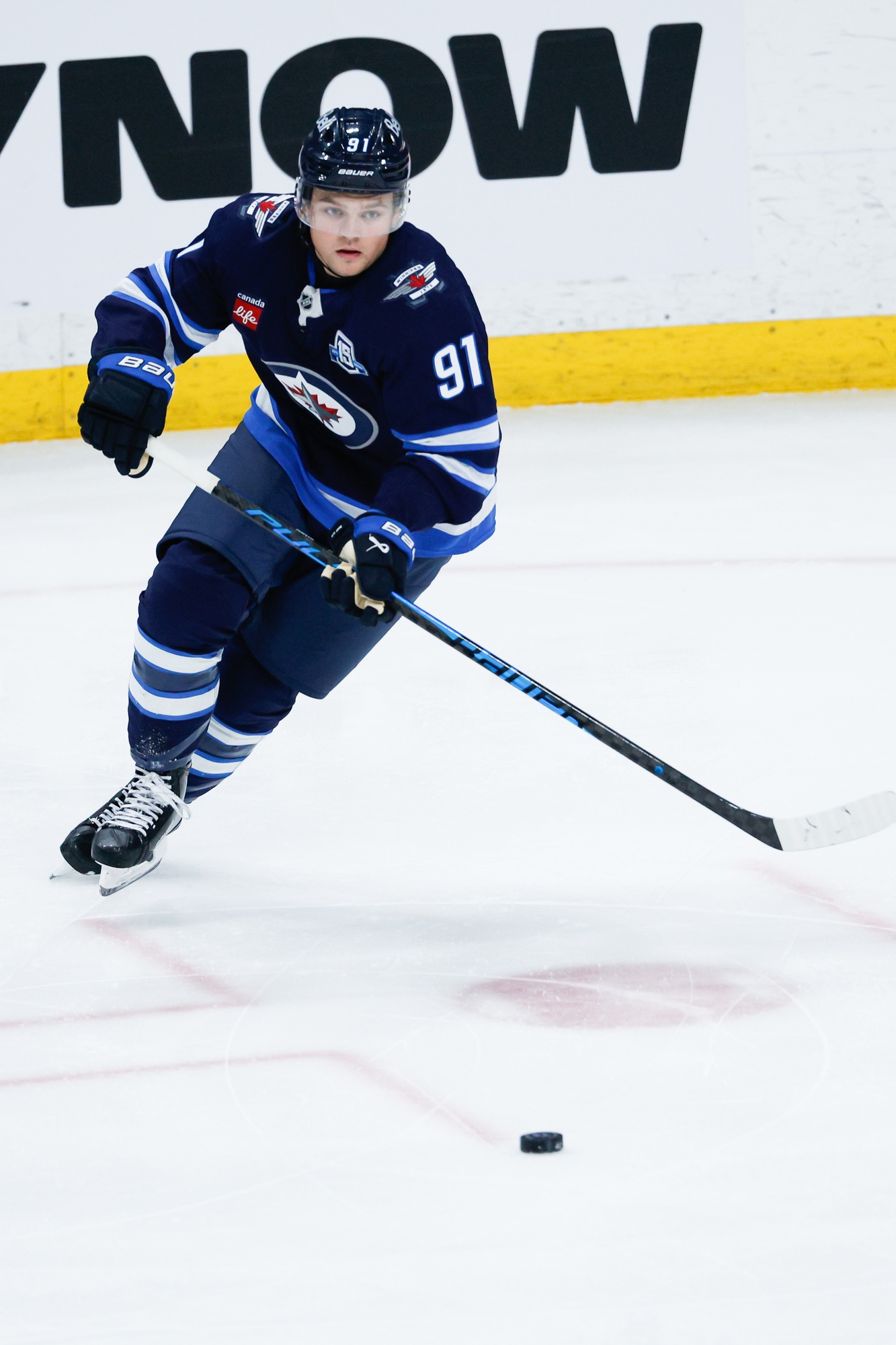 After the first season of the contract, it looked like Perfetti was in good shape. He was coming off a career-best 50 points and even repeating that would have put him in a good spot to at least double his current $3.25MM AAV. However, things didn’t go quite as well this season, as he notched just 12 goals and 20 assists in 68 games despite a small uptick in playing time to 15:37 per night. Ehlers’ absence clearly affected Winnipeg’s second line and Perfetti, in particular. Now, it’s not so clear what’s coming on his next contract.
The max-term (or close-to-max-term) deal that seemed likely last summer seems a lot less likely now as there are still questions as to his overall upside. Was the 50-point season an outlier or, with better linemates, does he have another level to get to?
Winnipeg has two years of team control left on the 24-year-old which takes another two-year bridge pact off the table as that would walk him to UFA eligibility in his prime. That leaves Cheveldayoff with two viable options: Sign Perfetti to a one-year deal and kick the decision down the road 12 months or try to work out a medium-term pact that buys a year or two of extra control. AFP Analytics projects that a one-year deal would cost around $4.26MM while a four-year agreement could run closer to $5.78MM per season.
How certain are the Jets when it comes to Perfetti’s ceiling and fit moving forward? They’ll have to make a call on that in the early part of the offseason as he’ll be arbitration-eligible for the first time this summer on top of his $3.5MM qualifying offer. Something will surely get done but it’s not as clear-cut of a call as it seemed a year ago.
Add A Top-Six Piece (Or Two)
The loss of Ehlers to Carolina clearly impacted the Jets more than they were expecting. They went from being one of the top-scoring teams in the NHL in 2024-25 (they tied for the lead in the West in that regard with Dallas, a pretty high-octane team) but saw their output drop by more than half a goal per game this season. Their top line was productive but Perfetti was ultimately fourth in scoring among forwards with output closer to the level of a third-liner.
Winnipeg has had a long-standing issue down the middle in terms of finding someone to play behind Mark Scheifele. The end result has been them moving high draft picks for short-term upgrades at that slot or taking a flyer on Jonathan Toews who proved to be overmatched in that role (though considerably more effective lower in the lineup). They briefly tried Perfetti there but abandoned that pretty quickly. At this point, it basically goes without saying that they need to fill the number two center spot. The problem is that few are available and the list of suitors is quite long.
At this point, the more realistic option might be to try to augment their winger situation. Yes, it would mean not solving the most important spot but they’re not in a position to be picky about how they upgrade their offense; it just needs to be upgraded. It’s not as if there’s a surplus of options available there either but generally speaking, there are more of those available in free agency than centers and they’re also typically easier to get in a trade. Adding one (or even two) of those to create a winger-driven second line could give them the secondary scoring they were clearly lacking this season.
Bring In A Top-Four Right-Shot Defender
When it comes to Winnipeg’s back end, there is a clearly defined top four – Josh Morrissey and Dylan Samberg on the left side with Neal Pionk and Dylan DeMelo on the right side. However, DeMelo has typically been at his best in a third-pairing role in his career while getting him to that spot would certainly help their overall defensive balance. Elias Salomonsson showed some promise this season but isn’t ready to jump into that spot on the depth chart just yet.
It’s not the deepest crop of free agents but there are a handful who could fit the bill, headlined by Rasmus Andersson, John Carlson, Darren Raddysh, and even former Jet Jacob Trouba. Landing one of those could even potentially make DeMelo expendable to try to flip him for some offensive help up front. This isn’t a must-get by any stretch but it would definitely get them a boost.
Failing that, adding a depth right-shot option would make sense. Colin Miller is a pending unrestricted free agent and probably won’t be back. Jacob Bryson (a lefty) is also set to hit the open market this summer. With Logan Stanley and Luke Schenn now in Buffalo and Ville Heinola on his way out the door, what was once a deep back end has been thinned out. Getting another righty in the mix (especially since their recall options for next season, as things stand, are primarily lefties) would be a prudent add. But a top-four pickup would be even better.
Photo courtesy of Terrence Lee-Imagn Images.
PHR Mailbag: Tkachuk, Rangers, Thomas, Back-To-Backs, Advertising
Topics in this edition of the PHR Mailbag include what a successful offseason for the Rangers could be, the impact of back-to-backs, and more. If your question doesn’t appear here, check back in our last two mailbag columns.
Bill Blueshirt: The NYR has a long-standing interest in getting B. Tkachuk. Would a package of Cuylle, Schneider, their 1st rounder (#3 overall), and either Trocheck or Laba get it done?
When I first started reading the question, I thought ‘this is going to be a no’, especially with it being a package. But I have to say, I think this would get it done on Ottawa’s part, even if they have no interest in moving Brady Tkachuk. And this would assume that Vincent Trocheck wouldn’t have the Sens on his no-trade list; given that it seems as if he’s blocked trades to Western teams, there’s a chance of that happening.
Tkachuk has given no indication that he wouldn’t re-sign with the Senators, although that hasn’t stopped the speculation that he might do like his brother and give early notice that he won’t re-sign. In that scenario, Ottawa would probably want a return that gets them some future help but also allows them to stay competitive now. This would do that.
Trocheck, Tim Stutzle, Dylan Cozens, Shane Pinto, and Ridly Greig would be a solid center group and plausibly could allow Ottawa to move one to fill another hole. William Cuylle could be a second-line power forward; he’s pretty much close to being one already. Braden Schneider would help shore up the weak side of their back end. And the fifth pick (after the lottery didn’t go New York’s way) would net them a strong future piece as well. So, I think they’d do this.
I’m not sure it’s in New York’s best interest, however. Are they a better team after this swap? Yes, Tkachuk is the best player in it but the supporting cast takes a big hit and they lose most of their best trade chips. Less depth, fewer trade options, and they’re two years away from a very expensive contract to keep him in the fold. If the Rangers were one player away and had the depth of a few years ago, this would be defensible. Given that they’re in a spot where they’re looking to do at least some sort of rebuild though, this isn’t the right time to go in big on a player.
lgr34561: What do you think an ideal offseason looks like for the Rangers and what are your expectations for them next season?
I have my doubts that the Rangers will do a full-blown rebuild so a successful offseason for them, in my books, would simply be sticking to the path they’re on.
For Trocheck, I think they have to move him this summer. He’s going to be one of the top centers available, if not the best one (if you think Robert Thomas won’t be in play anymore). The demand is extremely high with a lot of teams looking to buy. Coming out of a Trocheck trade with at least two high-end futures pieces (a good first-round pick or prospect and a top-six prospect or potential impact blueliner) would be big as that could fill two of the foundational holes down the road. The trade wouldn’t be two-for-one as money dictates there would probably be other pieces but those would be the core of the return. I don’t think they want to move J.T. Miller so quickly and Mika Zibanejad doesn’t want to move so they’d still be in solid shape down the middle.
I’m skeptical that Alexis Lafreniere has another gear to get to. He might be someone who just sits in that 50-60-point range and while that’s solid, I’d like to see Chris Drury explore options on that front. This wouldn’t be a straight seller move but rather more of a one-for-one move with a similarly-aged player with lots of club control (or a long-term deal) doing the other way. Basically, a swap to try to find someone who better fits Mike Sullivan’s system as I don’t see a coaching change happening again anytime soon, not with his contract.
Ideally, I’d say sign Schneider long-term and trade Will Borgen but Borgen’s contract might make it tough. One of those two will be a bottom-pairing piece and the price tag doesn’t fit the role so if Borgen getting dealt for value isn’t an option, then I’d say move Schneider and capitalize on the demand for right-shot defensemen. The return wouldn’t be as significant as Trocheck’s but I could see them landing one A-level asset.
Beyond that, if they can move a lower-end veteran (guys like Taylor Raddysh, Urho Vaakanainen, and the like) and open up more of a full-time slot for some of their near-ready prospects, that would be worth doing as well. That’s a lot of selling for a team that I think isn’t necessarily quite that committed to moving out pieces but doing that would be a good summer in my books.
Red Wings: Wings need help. Robert Thomas could be the 1C and Larkin could slide down to 2C. What would it take to get him out of St. Louis?
Now that we’ve covered Trocheck, let’s look at the other prominent center who is no stranger to the rumor mill. Adding Thomas would certainly help fill the top-six middleman slot that they’ve tried several times to fill and he and Dylan Larkin would be a solid one-two punch.
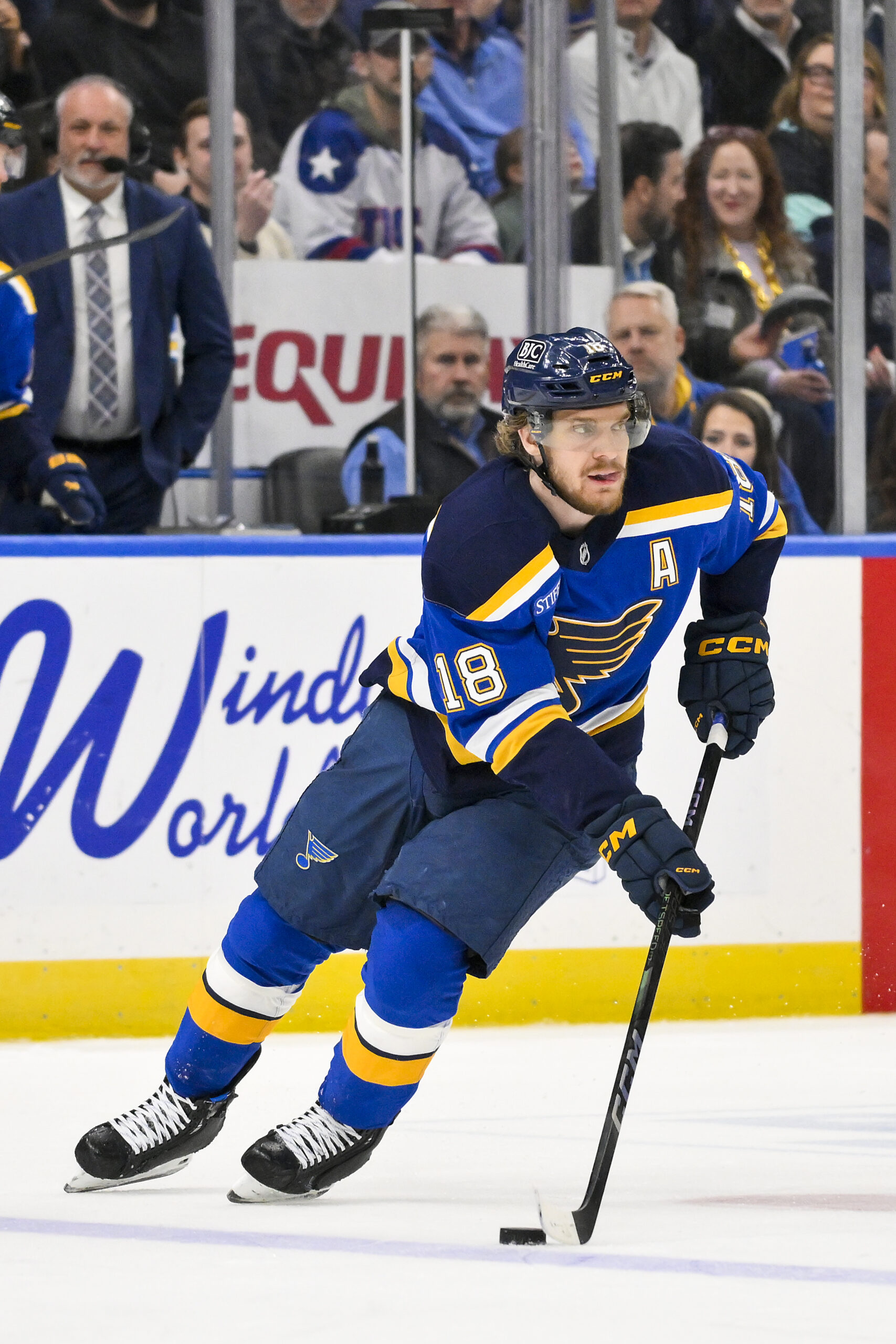 However, the asking price before the trade deadline was believed to be the equivalent of at least three top-15 assets. One theoretically could have been Detroit’s first-round pick but St. Louis already has that from the Justin Faulk trade. With it being too early to know where their 2027 pick could plausibly fall, I don’t think that could fill one of those slots, meaning we’re looking at three already-drafted pieces.
The Red Wings have several youngsters who technically fit the bill but some of those players have seen their stock drop as well. For example, Marco Kasper was an eighth-overall pick but he doesn’t carry that high a value now. That said, I could see him being one of the pieces. (If not him, then Nate Danielson makes sense.) For a winger, one of Michael Brandsegg-Nygard or 2025 first-round pick Carter Bear would fit the bill. Does St. Louis want more of a playmaker or a scorer and are they looking for someone close to ready now or a few years away? The answer to that dictates which one of those two would be in the offer. I don’t see the Blues having a ton of interest in Axel Sandin Pellikka so the other spot would either need to be one of the forwards already listed or goaltender Sebastian Cossa. (I’m not sure Trey Augustine carries top-15 value league-wide, as good a prospect as he is.) Cossa and Joel Hofer would be an interesting tandem for the near and long-term future with some upside.
On top of that, Detroit would probably need to offset the money somewhat. The good news is that there are some logical choices in J.T. Compher and Andrew Copp, veterans whose spots may be displaced by Thomas coming in anyway.
There are three questions I still have coming out of all of that. If I’m Alex Steen, I’m not sure that’d be enough for me as, again, some of the shine has come off some of these high-drafted pieces. The second is on Detroit’s end and it’s similar to the Tkachuk thing earlier, is this the right move for a team that keeps missing the playoffs to make? (I can come around to yes here, however, unlike the Tkachuk scenario.) The third is the biggest one: Would Thomas waive for the Red Wings? There’s a sense that GM Steve Yzerman has tried to swing big but has either had players tell them they’re not interested in going there or aren’t willing to sign long term. They only have to worry about the former here with Thomas signed through 2030-31 but there may be more appealing suitors for his services.
Duke II: While it may be common sense, is there any empirical data that confirms NHL players’ stats are worse in the second game of B-2-B games?
I’m going to try to answer this primarily from a team-based perspective. Statistically speaking, teams have a lower points percentage on back-to-backs so, therefore, it can also be gleaned that individual player stats aren’t quite as good as otherwise, there wouldn’t be a gap in points percentage. But the gap isn’t always as big as some might think. Here are the numbers, courtesy of More Hockey Stats (they have the team records, I’ve converted them to average points per game):
2025-26: Overall Average Points Per Game: 1.12
Points Per Game In Back Half Of Back-To-Back: 1.07
2024-25: Overall Average Points Per Game: 1.10
Points Per Game In Back Half Of Back-To-Back: 0.93
2023-24: Overall Average Points Per Game: 1.10
Points Per Game In Back Half Of Back-To-Back: 1.03
2022-23: Overall Average Points Per Game: 1.12
Points Per Game In Back Half Of Back-To-Back: 0.99
Now, you asked for the players. That’s a little harder to track down on an everything-in-one-place level but ESPN’s player profiles have this snuck in near the bottom. For example, here’s the profile for Minnesota’s Matt Boldy. He had 10 points in the second half of 12 back-to-backs this season, a 0.83 point-per-game average compared to 1.12 points per game for the full season. In 2024-25, he had a 0.33 point-per-game average in the second half of back-to-backs against a 0.89 full-season average. It wasn’t as pronounced in 2023-24 at a .786 point-per-game average in the back half of a back-to-back against a 0.92 mark for the season.
This is just one example but I suspect, given the reduced teams’ success in the back half of a back-to-back, that more players will follow Boldy and have a reduced output in those situations. If there are certain players you’re intrigued about specifically, the ESPN profiles can give you the breakdown you’re looking for.
Jolly Roger: Is there anything in the CBA regulating advertising on players’ helmets? Does every team make their own deal for such advertising? Do players receive a cut and can they opt out, for example if they disagree with the advertiser policies, or just don’t want to be a skating billboard?
Advertising isn’t a CBA element beyond that advertising revenue is part of Hockey Related Revenue, or HRR. HRR is what helps shape the salary cap with the players and owners getting 50% chunks of that revenue. That’s the players’ cut of it, so to speak. They are not able to opt out, nor can they solicit their own deal to stick a patch on a jersey or helmet.
Every team can make their own agreements for the advertising. Some have had sponsor changes already within the first few years. All 32 teams have at least one helmet agreement in place while many have separate agreements for home and away. Only 28 teams have jersey sponsorships for this season (soon to be 29 with the Sabres announcing Friday that they have a deal in place for next year) while, again, some have home and away sponsors as well.
Photo courtesy of Jeff Curry-Imagn Images.
Offseason Checklist: Seattle Kraken
The offseason has arrived for half of the league’s teams that aren’t taking part in the playoffs. Accordingly, it’s now time to examine what they will need to accomplish over the coming months. Next up is a look at Seattle.
After another coaching change last year, the Kraken were hoping that they’d turn things around this season. While they were technically in the race for a playoff spot in the final few games, they wound up on the outside looking in once again, resulting in the departure of Ron Francis and an organization-wide audit of their processes. While a rebuild or roster retooling might be the more prudent move for the team, it doesn’t appear they’ll be going in that direction. With that in mind, their checklist focuses on moves to help the team now.
Take Care Of Pending Free Agent Forwards
Since Seattle was still within striking distance of a playoff spot, they went from being likely sellers at the trade deadline to improbable buyers. As a result, instead of moving some core rental veterans for future help, they held onto those and added another one for good measure. Now, it’s time to figure out which ones they want to keep.
We’ll start with the newcomer Bobby McMann. The 29-year-old was in the middle of a breakout performance with Toronto before finding a new gear following his acquisition by the Kraken. McMann potted 10 goals in 18 games with his new team, bringing him to 29 on the season. That puts him fourth in tallies among all pending UFAs, putting him in a position to command a long-term deal at possibly four (or more) times his current AAV of $1.35MM. With the team carrying over $28MM in cap room for next season per PuckPedia, it certainly stands to reason that GM Jason Botterill will be trying to keep him around.
Meanwhile, decisions need to be made on two more wingers, Jaden Schwartz and Eeli Tolvanen. Schwartz has been with Seattle for all of its five NHL seasons and sits fifth in franchise scoring despite a long list of injuries, including this season. He has shown flashes of top-six performance but his injury history makes him a little less likely to return, meaning he’ll need to be replaced. Tolvanen’s case is a little less certain. He has 35 goals and 71 points over the last two seasons but saw his role be reduced down the stretch. Still, for a team with minimal firepower, letting a decent scorer walk would be risky. Also up front, though Jared McCann isn’t a pending unrestricted free agent, he becomes extension-eligible in July and is someone the team should be looking to lock up to a long-term deal.
Make A Decision On Wright
When the Kraken selected Shane Wright with the fourth overall selection in 2022, they hoped that he could be their future top center or at least a core second liner. Four years later, that outcome doesn’t seem quite as certain. The team evidently felt the same way as back in January, they reportedly made the youngster available if they were going to land the impactful forward they were seeking.
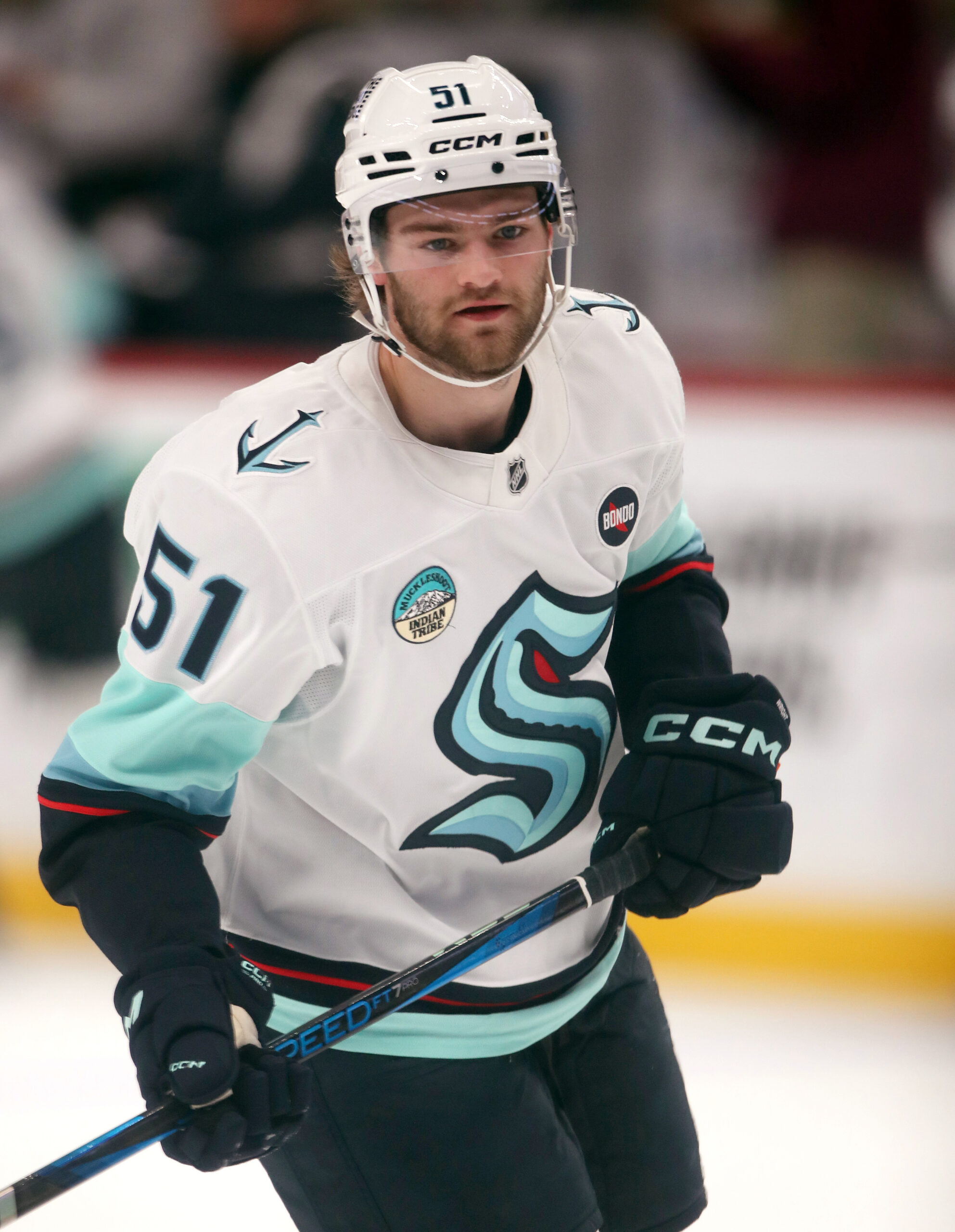 Unfortunately for Seattle, that move didn’t materialize and Wright’s value has likely dipped since then. After putting up a very respectable 19 goals and 25 assists in 79 games in his first full season in 2024-25, his sophomore numbers took a turn in the wrong direction. Wright managed just 12 goals and 15 helpers in 74 appearances last season and struggled considerably after the Olympic break, notching just one goal and four assists in 18 outings.
On the one hand, it seems as if he’s trending in the wrong direction. On the other, he’s a young center who is signed for one more year on his entry-level deal at a cap charge not far above the minimum salary. He still has five seasons of team control remaining, too. Even if his value isn’t as high as it once was, there would still be plenty of suitors for his services.
On top of that, the Kraken are well-stocked down the middle. Matty Beniers is entrenched as one of their top two middlemen while Berkly Catton, an eighth-overall selection, is a natural center, as is prospect Jake O’Brien, a number pick himself. Meanwhile, veteran Chandler Stephenson is still signed long-term and bottom-sixer Frederick Gaudreau has a couple of years left as well. While there is no elite piece (at least at the moment), they’re not in bad shape depth-wise and could afford to part with Wright.
Botterill will need to decide if he’s better off giving Wright another look in the hopes of him rebounding or at least helping his trade value at the risk of a slow start further lowering his value. But if the team is still open to moving him, Wright is one of their better trade chips.
Add More Firepower
Over the years, the Kraken have tried more of a by-committee approach with their offense. Several of the players from that approach are still around but more often than not, that hasn’t worked out well. In three of their five seasons, they have been in the bottom five of the league in terms of goals scored, including 2025-26 when they were 28th. (They were fourth and 16th the other two seasons.)
This is why they were willing to pay a significant premium in terms of salary to try to land Artemi Panarin from the Rangers in the hopes of making him the centerpiece of their offense. They’re believed to have tried to make some big offers in the past to free agents as well but haven’t had a ton of success on that front and the market this year isn’t likely to bring significant improvements up front.
That’s where the idea of moving Wright makes some sense. With Brandon Montour in the fold, perhaps Vince Dunn could be a trade chip to add a core forward. They could also pull from their prospect pool (though that’s risky for a non-playoff team). But with three subpar offensive seasons from this core group, Botterill needs to find a way to add at least one if not two more threats up front.
Upgrade Defensive Depth
Seattle has one other unrestricted free agent of consequence this summer in veteran Jamie Oleksiak. However, with Dunn, Ryan Lindgren, and Ryker Evans in the fold, they should be able to fill his spot without too much difficulty so they don’t necessarily need to get into a bidding war to try to keep him.
However, they could stand to upgrade on their depth options. If they want to give their prospects a bit more time in the minors with Coachella Valley, their internal replacements for Oleksiak are Josh Mahura and Cale Fleury. Both players have been around the NHL for a few years now but are better seventh options than a full-time sixth.
Fortunately, there will be better options available on the open market. While there aren’t a ton of top-four players set to reach free agency, there are a lot of third-pairing pieces who have had more success than Mahura and Fleury. Ideally, the addition would be a right-shot option to balance out the pairings but an upgrade is an upgrade. They likely only need a short-term player with Ty Nelson, Tyson Jugnauth, Caden Price, and Ville Ottavainen having some success in the minors with the Firebirds and presumably, one of them could break through to full NHL readiness within a year.
But while that prospect depth is promising, a short-term veteran addition to replace Oleksiak and be an improvement on Mahura and Fleury would be worthwhile. More importantly, it’s one that should be realistic to achieve, unlike their forward needs which will be much harder to accomplish.
Photo courtesy of Charles LeClaire-Imagn Images.
Should The Predators Move Juuse Saros?
The Nashville Predators had another disappointing campaign, missing the playoffs for a second straight year. It’s hard to say they fell short of expectations this year, given how low they were, but that doesn’t remove the sting of failing to reach the postseason for a team with several proud veterans in its lineup.
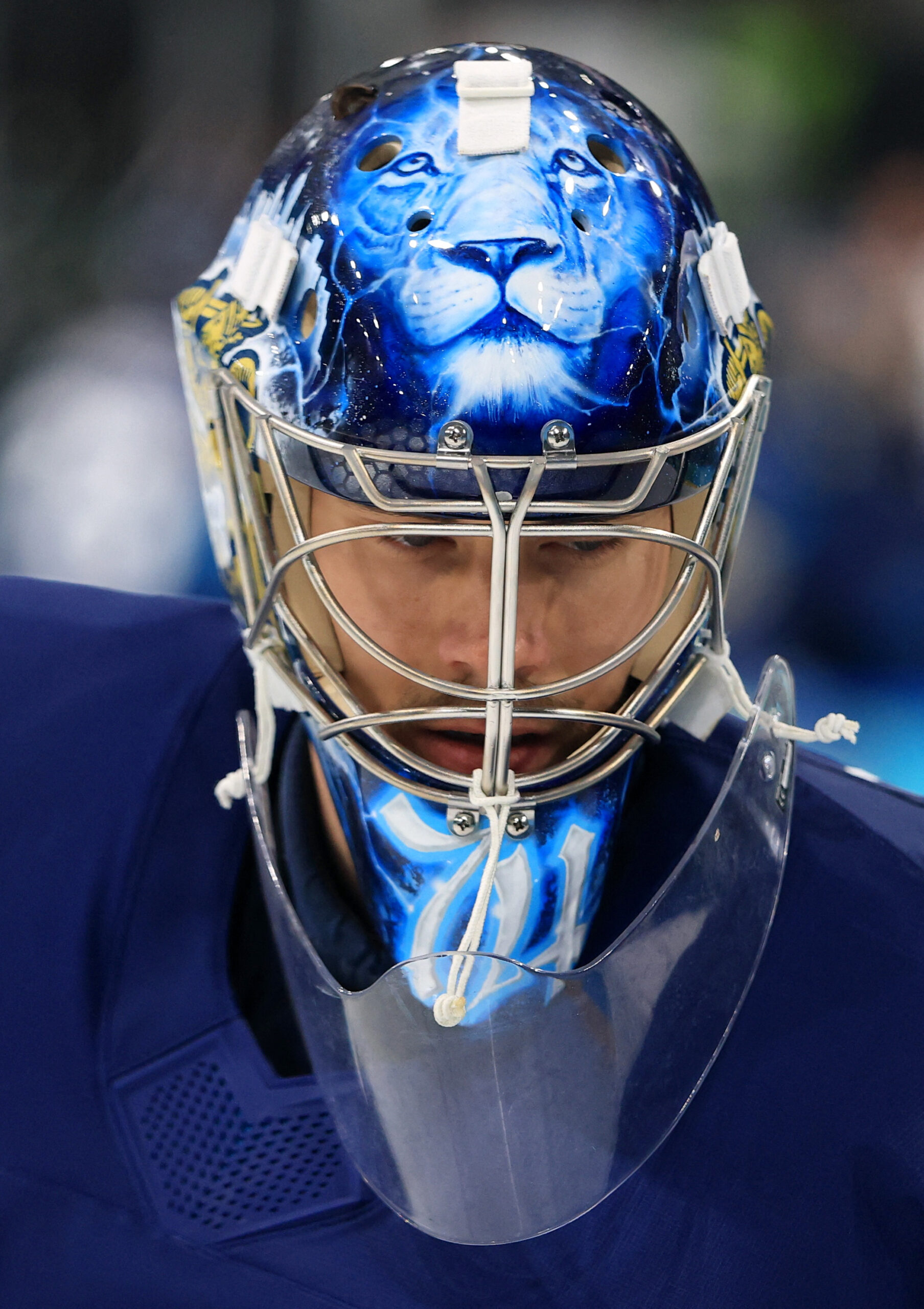 One of those veterans, goaltender Juuse Saros, had an especially frustrating season, facing the most shots in the NHL and finishing with the worst numbers of his 11-year career. The 31-year-old faced 1,701 shots this year and will likely face a similar workload next season unless significant changes take place in Nashville.
With his second straight sub-.900 SV%, Saros’s play is a cause for concern and could have management in Nashville debating whether he is still the guy for the Predators.
To put Saros’ decline into perspective, the first eight full seasons of his career saw him post a save percentage north of .900, including seven straight seasons above .910. Those are elite numbers among goaltenders, and that type of play garnered Saros some Vezina Trophy consideration in several of those years.
At the time of signing his current contract (July 1, 2024), Saros was among the league’s top netminders, which is why Nashville handed him an eight-year deal worth $61.92MM ($7.74MM AAV). It was a commitment to their star goalie, whom they had relied on for years, with 60+ games per season from 2021-2024.
That contract only kicked in this season, and the timing could not have been worse for Nashville, as Saros’ play fell off considerably in the first year of that lucrative extension.
This past season, Saros posted a .894 SV% to go with a 3.16 GAA and a 28-22-8 record in 59 appearances. Outside of the win-loss record, those numbers are very similar to last year’s, when he appeared in 58 games and had a 20-31-6 record with a .895 SV% and a 2.98 GAA.
Taking a deeper dive into some of his analytics, Saros had a -7.4 goals saved above expected (as per MoneyPuck) in 2024-25 and a -9.3 this past season. Taken together, those numbers paint the picture of a goaltender who has been significantly below average in each of the last two years.
With seven years left on that contract, Saros doesn’t look like the star netminder Nashville hoped he would be, and it is certainly a cause for concern. It’s hardly the first time a goalie on the wrong side of 30 has seen a drop-off in play, but it is especially troubling for Nashville for a variety of reasons, the biggest being the term and money left on the deal. Saros is still owed over $50MM over the remaining seven years, and if he struggles next season, that contract becomes an anchor.
So could they try to move him this summer, when his value is so low?
It might not be the worst time to do it, given how goalie-hungry the entire league is and how quickly the salary cap is accelerating. There are many teams with ample cap space and major goaltending issues who would be all too happy to roll the dice on Saros despite his recent struggles and expensive contract.
Just look at how desperate the Oilers were this past fall when they traded for Tristan Jarry and his pricey contract, even though Jarry was one of, if not the, most inconsistent goaltenders in the entire NHL. Edmonton even paid handsomely to acquire Jarry, despite his warts, because they had no other options.
Many other teams could face the same goalie landscape if they try to upgrade, which is good news for Nashville if they do indeed pursue a Saros trade.
One major hiccup in trading Saros will be his full no-movement clause, which is in effect for another five years and will be a major hurdle if Nashville looks to move him. The clause will effectively limit Nashville’s market to Saros’s preferred destinations, which might be the biggest issue if they try to move him.
Another major issue is that if Nashville plans to bring up some of their promising prospects and complete, who out there could be a better option than Saros? The free-agent market for netminders is thin, to say the least.
Sure, the Predators could roll the dice on a Stuart Skinner, but he isn’t an upgrade and brings his own inconsistency into the fold.
Backup Justus Annunen is another option, as he is signed for another two seasons, but he’s never been an NHL starter and has never played more than 34 games in a season. He also has just 80 games of NHL experience, making him an unlikely option for a starting role at this time.
Truthfully, the best option is the one that aligns with Nashville’s future plans. If the team elects to rebuild in a dramatic way, trading a pricey starting goalie makes sense.
However, if the Predators have any plans to be competitive again, they have much bigger issues than Saros’s goaltending. In any event, it will be an interesting summer for the Predators, as they could look quite different come training camp in September.
Image courtesy of Katie Stratman-Imagn Images.
Offseason Checklist: Toronto Maple Leafs
The offseason has arrived for half of the league’s teams that aren’t taking part in the playoffs. Accordingly, it’s now time to examine what they will need to accomplish over the coming months. Next up is a look at the Maple Leafs.
To say this season didn’t go to plan for Toronto would be an understatement. Coming off just their second series win in the Auston Matthews era in 2025, there were going to be changes after bowing out to the Panthers – Mitch Marner‘s long-understood departure via a sign-and-trade to the Golden Knights was the biggest of them all – but the hope was that a bevy of depth free agent signings could help replace the star playmaker’s production by committee. Instead, the Leafs floundered, finishing with their worst record in 10 years and losing Matthews to a torn MCL in March, which eventually cost general manager Brad Treliving his job. Now, after installing John Chayka as his replacement earlier today, a list of daunting tasks awaits him without the guarantee of a first-round pick, which they’ll only retain if Tuesday’s lottery balls keep them within the top five.
Settle The Coaching Question
Chayka still has nearly two months until the opening of free agency in July, so he’ll have plenty of run-up to make player personnel decisions. The more pressing matter is the future of Craig Berube, who just wrapped up his second season behind Toronto’s bench with a 20-win regression. It would be surprising to see Chayka, who was aggressive with limited resources during his time atop the Coyotes’ front office, not move to bring in a new voice behind the bench. Doing so sooner rather than later is paramount, with a pair of high-profile, late-season fired candidates still available in Bruce Cassidy and Patrick Roy.
Seeing Berube remain behind the bench would be especially shocking, given how analytics-forward Chayka is. Even amid last season’s success, the Maple Leafs were middle of the pack in 5-on-5 expected goals share (49.8%) and were even worse in the playoffs, per MoneyPuck. This season, that number tumbled to a 30th-ranked 45.6% while their actual results followed suit, finishing 16th in goals for per game (3.07) but second-worst in goals against (3.60) and worst in shots against (32.4) by a significant margin.
Berube still has two years left on his contract, which he signed in 2024 to replace Sheldon Keefe. Given Toronto’s virtually unlimited financial resources, that’s not a concern for them, but it is indicative of just how quickly the franchise’s momentum has changed.
Solidify A Long-Term Plan
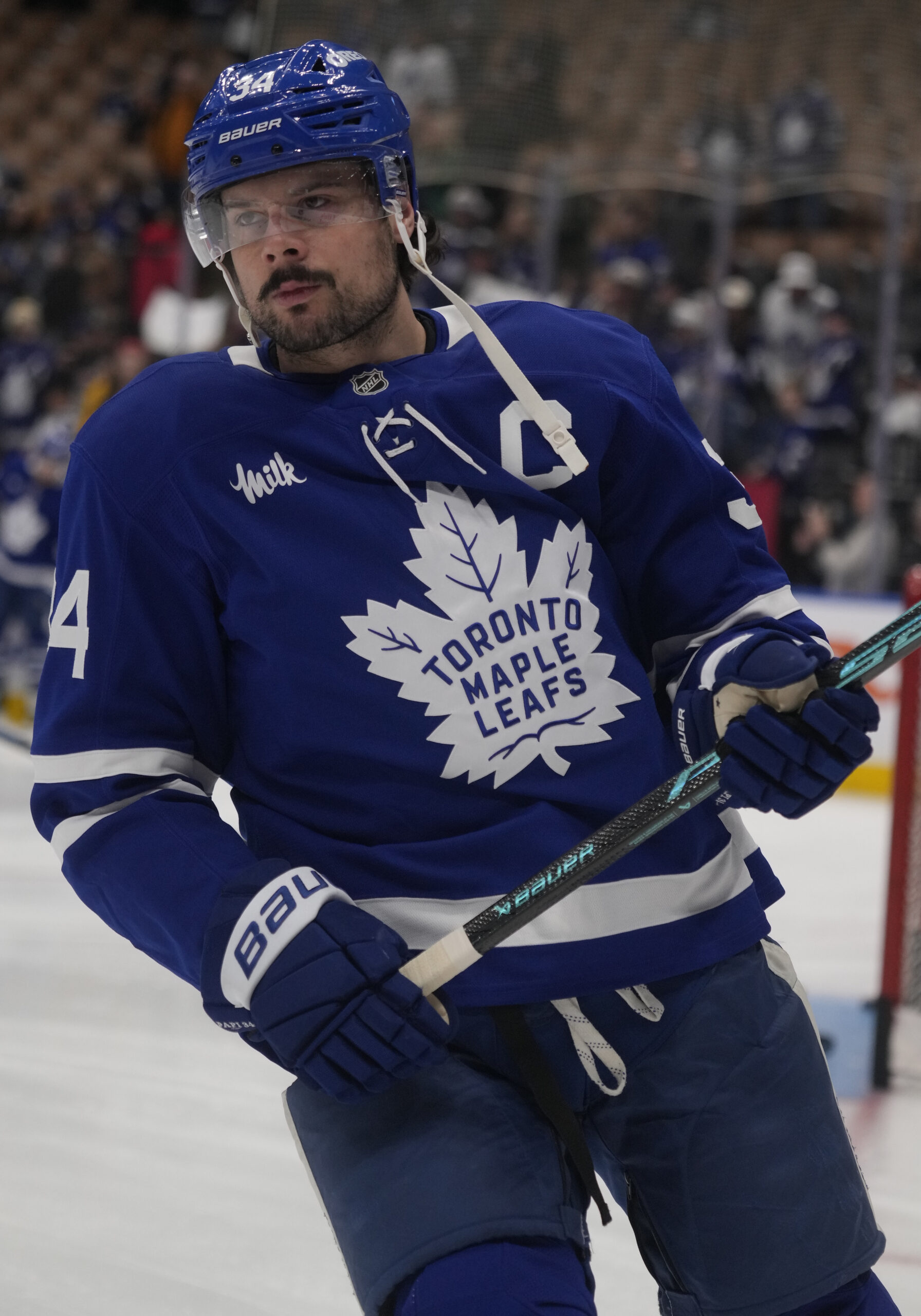 The Leafs’ two remaining “franchise” forwards after Marner’s departure, Matthews and William Nylander, have both expressed uncertainty about their futures if the team’s next GM opts for a full-scale rebuild rather than a short-term reload. Presenting them – particularly Matthews, who’s much closer to unrestricted free agency in 2028 – with a long-term vision needs to be higher on Chayka’s list so he can plan his offseason accordingly.
For a team whose draft pick and prospect cupboards are so bare, opting for a long-term route that Matthews and Nylander aren’t enthused about should immediately trigger trade conversations. Whether a deal of that magnitude could be cobbled together quickly enough to transpire by the draft is a different question entirely, but it’s a possibility all sides need to prepare themselves for (or definitively rule out) depending on Chayka’s vision.
They simply can’t afford a situation like Marner’s, where his signing rights as a pending UFA were sold for pennies on the dollar. They have plenty of cap space for next season, but a thin free agent market to spend it on. Matthews and Nylander could likely be appeased by a clear-cut plan of attack that gets them back to playoff/championship contention by the end of Matthews’ deal two years from now, but if that’s not something Chayka is confident in being able to achieve, he’ll be thrust into making one, if not multiple, of the most franchise-altering trades in recent memory.
Consider Goaltending Options
Toronto’s goals-against regression had more to do with team defense than goaltending, but it’s not as if their netminding was particularly inspiring. A year after serving as arguably the league’s most efficient goaltending tandem, Anthony Stolarz and Joseph Woll were both decidedly below average in 2025-26. Woll was “good” for -6.6 goals saved above expected in 39 outings while Stolarz had a -6.7 mark in 26 games amid another injury-plagued season, per MoneyPuck. This was, of course, after Treliving had locked Stolarz into a seemingly now ill-advised four-year, $15MM extension that begins next season.
That $3.75MM cap hit isn’t much of an eyesore on its own. Stolarz has long been one of the league’s better backups, and it stands he’ll rebound to some degree. But Toronto’s bright spot between the pipes this season was third-stringer Dennis Hildeby, who was excellent when stepping in during Stolarz and Woll’s various absences. Despite a 5-7-4 record, he managed a .912 SV% in 14 starts and six relief appearances to save a raucous 10.5 goals above expected.
Notably, Hildeby loses his waiver exemption next season. He won’t be able to head to the AHL without risking a claim. Still just 24 years old, that’s a fate the Leafs are surely looking to avoid. Chayka’s analytical bent means Hildeby likely won’t be the name on the way out if Chayka decides that carrying three goalies next season isn’t prudent.
However, there’s a strong argument to be made that staying the course is the best path forward. Stolarz’s ever-persistent injury concerns, despite his high ceiling, make a perfectly strong argument for carrying a third netminder, particularly with all three on affordable deals that would only total up to $8.25MM against the cap.
Toronto did briefly explore moving Stolarz prior to the trade deadline, but he stayed put. He’d almost surely be the name on the move if Chayka does move in that direction, but with a 16-team no-trade list, his options will be limited.
Refresh The Blue Line
Treliving leaves behind an overpaid, sluggish defense corps in Toronto. Obvious, easy-to-trade candidates are hard to come by. With seven names already signed to one-way deals for next season, pending UFAs Matt Benning and Troy Stecher are almost sure candidates to walk.
Outside of that, they have three 2027 UFAs in Brandon Carlo, Simon Benoit, and Philippe Myers. Only Carlo will fetch any significant value, and even then, it won’t be close to the potentially top-10 pick they’ll end up sending to the Bruins to acquire him at the 2025 deadline. Moving Morgan Rielly‘s $7.5MM cap hit should be of some intrigue, but with a no-movement clause, it could prove impossible – especially with Toronto no longer being in a severe cap crunch to force a move. There’s also something to be said for the fact that he’s still Toronto’s best goal-scoring D-man, despite his increasingly obvious skating and defensive deficiencies.
It’s here where Chayka’s hiring appears most targeted. He made a few shrewd blue-line acquisitions during his tenure in Arizona, often by taking on undesirable contracts that teams weren’t properly valuing or using. Jason Demers and Alex Goligoski were particularly effective pickups for short bursts. With such limited capital to trade from, though, he’ll need to pull out some “Moneyball”-style pickups to get the most out of Toronto’s defensive depth.
Image courtesy of John E. Sokolowski-Imagn Images.
PHR Mailbag: Jets, Blackhawks, Non-Playoff Teams, Presidents’ Trophy Curse, Match-Fixing
Topics in this edition of the PHR Mailbag include Chicago’s long-term goalie situation, the Presidents’ Trophy ‘curse’, and more. (It was also set to feature a discussion on Dylan Holloway’s next contract with a six-year, $7.75MM AAV prediction but the Blues got ahead of that one.) If your question doesn’t appear here, check back in last weekend’s column while we’ll have one more mailbag from this latest call for questions next weekend.
Cla23: Can the Jets actually find a 2C in free agency? Can Brad Lambert and Isak Rosen be second-line players with Perfetti?
By the literal wording of your question, yes, the Jets can find a player who could center their second line in free agency. I’m just not sure that player will be second-line-caliber, however.
Back in March, our Ethan Hetu took a look at the upcoming center UFA class. The marquee names are Charlie Coyle (who had a solid year in Columbus but some iffier seasons before that) and Evgeni Malkin (who isn’t leaving Pittsburgh for Winnipeg). The next tier were Boone Jenner (probably more of a 3C at this point and he plays a lot on the wing), Scott Laughton (who spent a lot of time on the fourth line while with Toronto), and Jonathan Toews (who wound up going from the 2C at one point to the 4C role with the Jets). It goes downhill from there. Unless they win a bidding war for Coyle, they’re going to have a hard time filling that spot through the UFA market.
Lambert had top-six upside when he was drafted if everything panned out development-wise and even after his first year in Manitoba, he still had it. The last two years have been a struggle though, even with him securing a regular role down the stretch. It’s possible that he gets to a second-line level but I wouldn’t be predicting it. Rosen at least has a better track record of being a top-line threat in the minors but there’s a reason Buffalo never gave him any sort of extended look. They thought he was one of those (to borrow a baseball term) Quad-A guys who are too good for the minors but not good enough to play an impactful role at the top level. I don’t think he’s a second liner either but maybe a third liner with some offensive skill could still be doable. That would still help a bit, at least.
Unclemike1526: The Hawks’ goalie situation is in a transition period right now. Knight is now a known commodity but is he a definite 1 or a 1A in a perfect world? He has solid technique but isn’t the biggest guy in the world. I was on the fence about Gajan but after seeing him in the NCAA tournament, I’m on board. Less sure about Commesso and Soderblom is bad. Who is the best Scandinavian G the Hawks could draft in the 2nd round who could play in the SHL and not have Gajan and him trip over each other? Thanks.
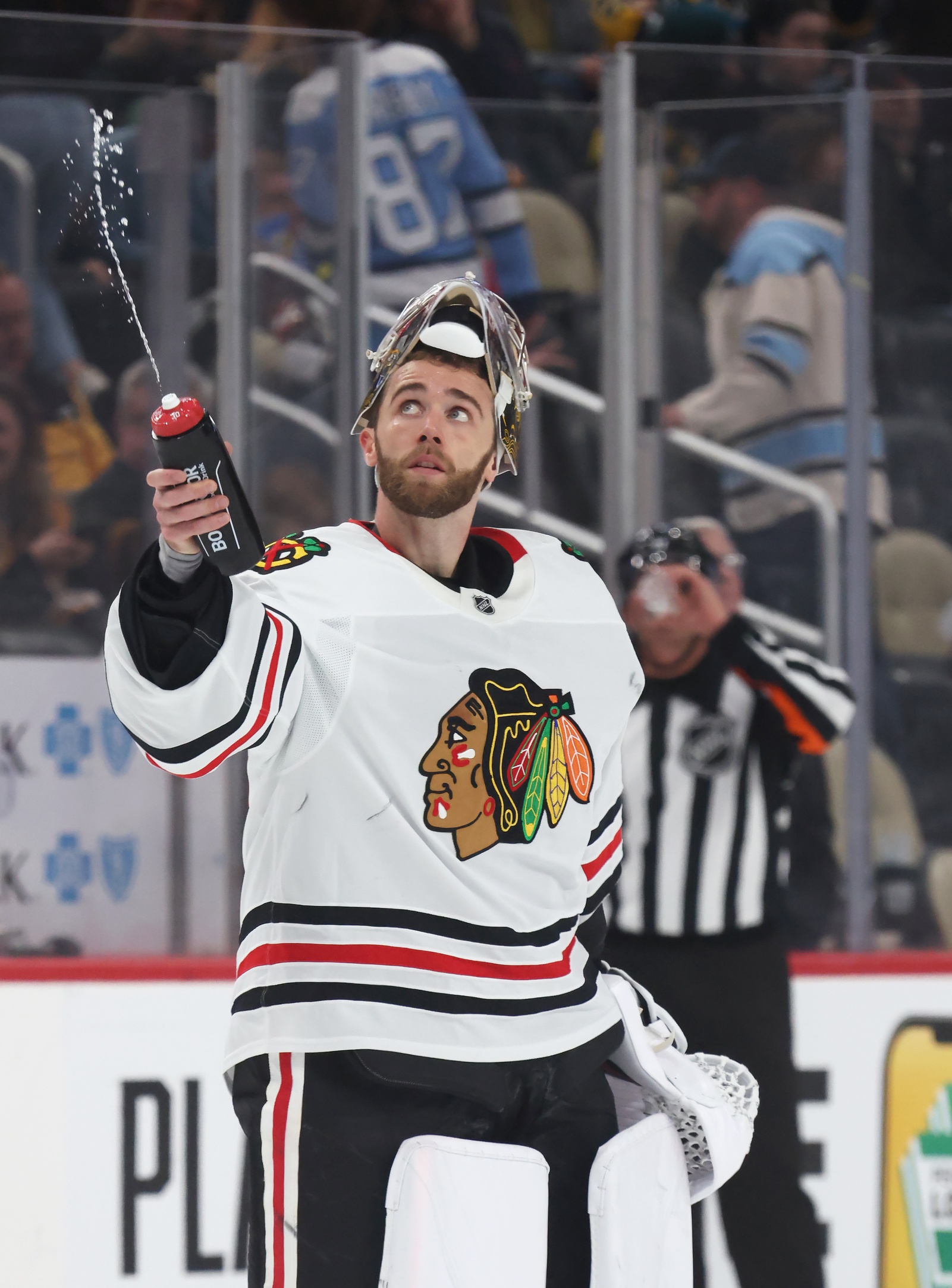 I think it’s fair to say that the Blackhawks view Spencer Knight as their starter of the future. I think he can be that for them. He’s not going to be a Vezina contender year after year but if he’s a top-10 or top-15 goalie in his prime, I think they’d be just fine with that. I suspect they think they have the backup in the organization at the moment already. I expect Arvid Soderblom to get one more look and give Drew Commesso another full year in the minors where he can split time with Adam Gajan. Commesso then might get a shot at the backup role in 2027-28 with the team pivoting to a Plan B if he isn’t ready or struggles. Gajan will probably need some time.
As for the draft, this is not a particularly good group of Scandinavian netminders. Douglas Nilsson and Viggo Tamm should be picked but the second round might be early for them. I like the idea of adding another goalie at some point, however, to stagger the prospects a bit. I’d be more inclined to look to Russia where Dmitri Borichev and Yegor Rybkin stand out. Some rankings have Borichev as a possible late first-rounder while teams will see Rybkin’s size (6’7) and want to use an early pick on him; he could be a second-rounder as a result.
random comment guy: It’s time for KD and the Hawks to poop or get off the pot. Do you see any big signings this offseason? Do you see them making any big trades? If they don’t get one of the top two picks, who do you see them drafting (or trading it away)?
I don’t expect any big signings from Chicago this year as frankly, there aren’t many players available who would qualify as big signings. Alex Tuch would be a nice addition to the top line and they have the cap space to get it done but unless they’re well above the market value, I could see Tuch wanting to sign with more of a contending team if he doesn’t ultimately re-up with Buffalo. Darren Raddysh is the top blueliner available. I think he stays in Tampa Bay, though, which would take him off the table. I could, however, see them trying to sign someone like John Carlson to a pricey short-term deal to help insulate and mentor Artyom Levshunov and Sam Rinzel while dragging up the floor of the group a bit. Whether it’s him or someone else, I suspect they’re going to try to bring in some veteran upgrades.
I think GM Kyle Davidson will try to make a big swing on the trade front, however. When I was doing their Offseason Checklist, the one theme that kept coming up was their young depth and deep draft pick cupboards. Those are great to have but not all of those pieces are going to be part of Chicago’s future. Packaging a promising young center, maybe a young defender, and a high draft pick is a package that should land them a long-term piece of significance. Whether it’s on the wing or the back end remains to be seen but if there’s a big fish that fits the age group of their core who moves this year, I expect the Blackhawks to be big bidders.
On the draft front, I don’t see them trading the pick away if they’re not in the top two. That is, unless they’re getting about a 20 or 21-year-old high draft pick who is already established in the NHL and the other team probably wouldn’t do that. Caleb Malhotra is quickly rising up draft boards but center is their strong spot (unless they move some players out in trades) so I don’t think they’d lean there. Not knowing where exactly they land in this scenario, I could see Keaton Verhoeff being the target. They like college players and big, all-around right-shot defenders are hard to come by (even if they already have two). In terms of who the most valuable asset could be beyond the top two, Verhoeff fits the profile if he develops to his full potential so I think they take the surplus there and deal with the ‘problem’ of maybe having too many down the road with a big trade.
Pyramid Headcrab: What teams that missed the playoffs this year do you suspect will git ‘er done next season?
Who’s most likely to make a brain-dead long-term signing that handcuffs the team?
Who’s going to have the most ill-advised rebuild?
For the first question, it’s hard not to pick the Panthers. They’ve earned the benefit of the doubt and can’t possibly have more injury woes next season than this year. As long as they get their goaltending settled, I think they’re back in. I’m intrigued to see if Rick Bowness’ culture change promise yields some positive results; if so, I suspect the Blue Jackets can get in this time. Something tells me the Sharks will make a big swing this summer that could sneak them into a Wild Card spot. I’m tempted to put the Jets here (under the ‘things can’t go this bad again’ category) but I want to see what they can do in the offseason. Really, all of these picks, other than maybe Florida, could change depending on the roster activity over the next couple of months.
For the second question, this isn’t necessarily as likely to happen moving forward given the big jumps coming to the salary cap. One bad signing shouldn’t handcuff a team unless it’s already cap-strapped. Upon my first read, the Rangers and Kraken came to mind as teams that might make a desperate move that backfires but they have the cap flexibility to overcome a bad signing like that. The only teams that can be handcuffed in this question are those that are the tightest to the 2026-27 Upper Limit. Of those, I’d have to pick Vegas. They swing big all the time but have limited flexibility. Eventually, they could miss on one and with so much of their team locked up long-term, missing on a big swing would hurt them more than others.
I’ll go with Vancouver. They’ve been directionless for the last couple of years and now have a lot of spots to fill along with some above-market contracts that are going to be hard to move. They’ll fill one of those needs at the draft but it’s going to take a while if all goes right for them to turn things around. With how odd this GM search has been, I’m not overly confident that there won’t be some stumbles along the way that lengthens the rebuild.
Nha Trang: Hah, this isn’t a question so much as an observation: how many of the pundits who bleat about the so-called “President’s Trophy curse” have bothered to check on the Cup-winning odds of the *second* place regular season team? Or the third? Or the fourth?
The President’s Trophy has been awarded 40 times in total and we know the subsequent Cup winner for 39 of those; we’ll see how Colorado fares in June, should they get that far. Let’s look at the distribution and percentages (rounded to the nearest tenth so no, it doesn’t quite add to precisely 100%) of Cup winners over that time based on their regular-season finishes.
1st: 8 winners (20.5%)
2nd: 4 winners (10.3%)
3rd: 3 winners (7.7%)
4th: 6 winners (15.4%)
5th: 4 winners (10.3%)
6th: 3 winners (7.7%)
7th: 4 winners (10.3%)
8th: 2 winners (5.1%)
9th: 1 winner (2.6%)
10th: 1 winner (2.6%)
11th: 1 winner (2.6%)
12th: 1 winner (2.6%)
13th: 1 winner (2.6%)
14th: 0 winners
15th: 0 winners
16th: 0 winners
If you ask me, first overall is still statistically the best spot to be, even if it’s still a roughly four-in-five chance that they won’t win the Cup. I will note, however, that since the salary cap came into effect, only two Presidents’ Trophy winners have won (Detroit in 2008 and Chicago in 2013). I’m not one who subscribes to the ‘curse’ theory given the general parity in the NHL but 12 years and counting since a first-overall team won the Stanley Cup is something.
Jolly Roger: Has there been any investigation, suspicion, controversy or rumor about match-fixing in the NHL or at any other level in professional, collegial, or amateur hockey in any country, including misconducts by officials?
Within the last few years, a pair of wingers were investigated and cleared amidst gambling allegations: Vancouver’s Evander Kane and Ottawa’s Arthur Kaliyev, the latter coming just this season. That isn’t the exact same thing as match-fixing but some like to connect the two.
Outside the NHL, there was a Belarus Extraliga game in which seven players admitted to being approached about manipulating the outcome of the game and that they accepted. The players – five Belarusian and two Russian – were suspended by the IIHF but their names were not published. The incident occurred in a matchup between Dynamo Molodechno and Mogilyov. Five months later, IK Bjorkloven in Sweden’s Allsvenskan level (second-tier) was investigated amongst match-fixing allegations but was ultimately cleared. They had a 3-0 lead in the game before allowing eight unanswered to Mora.
Photo courtesy of Charles LeClaire-Imagn Images.
Offseason Checklist: New York Rangers
The offseason has arrived for half of the league’s teams that aren’t taking part in the playoffs. Accordingly, it’s now time to examine what they will need to accomplish over the coming months. Next up is a look at the Rangers.
It’s fair to say that this season didn’t go to plan for the Rangers. Sure, they were coming off missing the playoffs but the hiring of Mike Sullivan indicated that the expectation was a return to the postseason. Instead, they finished last in the Eastern Conference and released another letter to the fans before moving away Artemi Panarin for future assets. GM Chris Drury’s checklist this summer involves continuing in that direction although there remains a chance that they look for a quicker fix.
Re-Sign Or Move Schneider
When Braden Schneider was the 19th overall pick back in 2020, the Rangers were hoping that they had a core defender on their hands. But after some stagnation early in his career and a tight cap situation, the two sides worked out a bridge deal two summers ago. Since then, with their struggles, Schneider’s name has come up in trade speculation although they didn’t pull the trigger on a move.
Now, the time for kicking the can down the road should be over. Schneider’s contract is up this summer and he’ll be owed a $2.64MM qualifying offer with arbitration rights. They’ll tender the offer but what comes next is the harder decision.
If Drury feels that Schneider should be part of the post-rebuild core, this is the time to sign him. It’d take a long-term deal worth more than double that qualifying offer but if he’s one of the long-term building blocks, then that price tag is justifiable. If not, then this is likely the right time to move him. The acquiring team then works on the long-term pact and sends the Rangers what would likely be another young player of some significance (potentially a winger with some club control to help replace Panarin). Doing a short-term deal would allow them to kick the can down the road a little longer but at the risk of hurting his trade value.
There are multiple veterans for whom a trade makes more sense than keeping; we’ll get to one of those next. But Schneider is one of the few toss-ups. They need to pick a direction with him, either commit to him for the long haul or move him out for another piece who will be around for a while.
Make The Trocheck Move
Beyond Panarin whose exit from the team was telegraphed long before it happened, the Ranger whose name was in the rumor mill the most was center Vincent Trocheck. By all accounts, there were some big offers made before the trade deadline but Drury opted to hold him for now, presumably thinking better ones could be coming this summer when more teams are looking to buy. Frankly, there’s some logic to the idea.
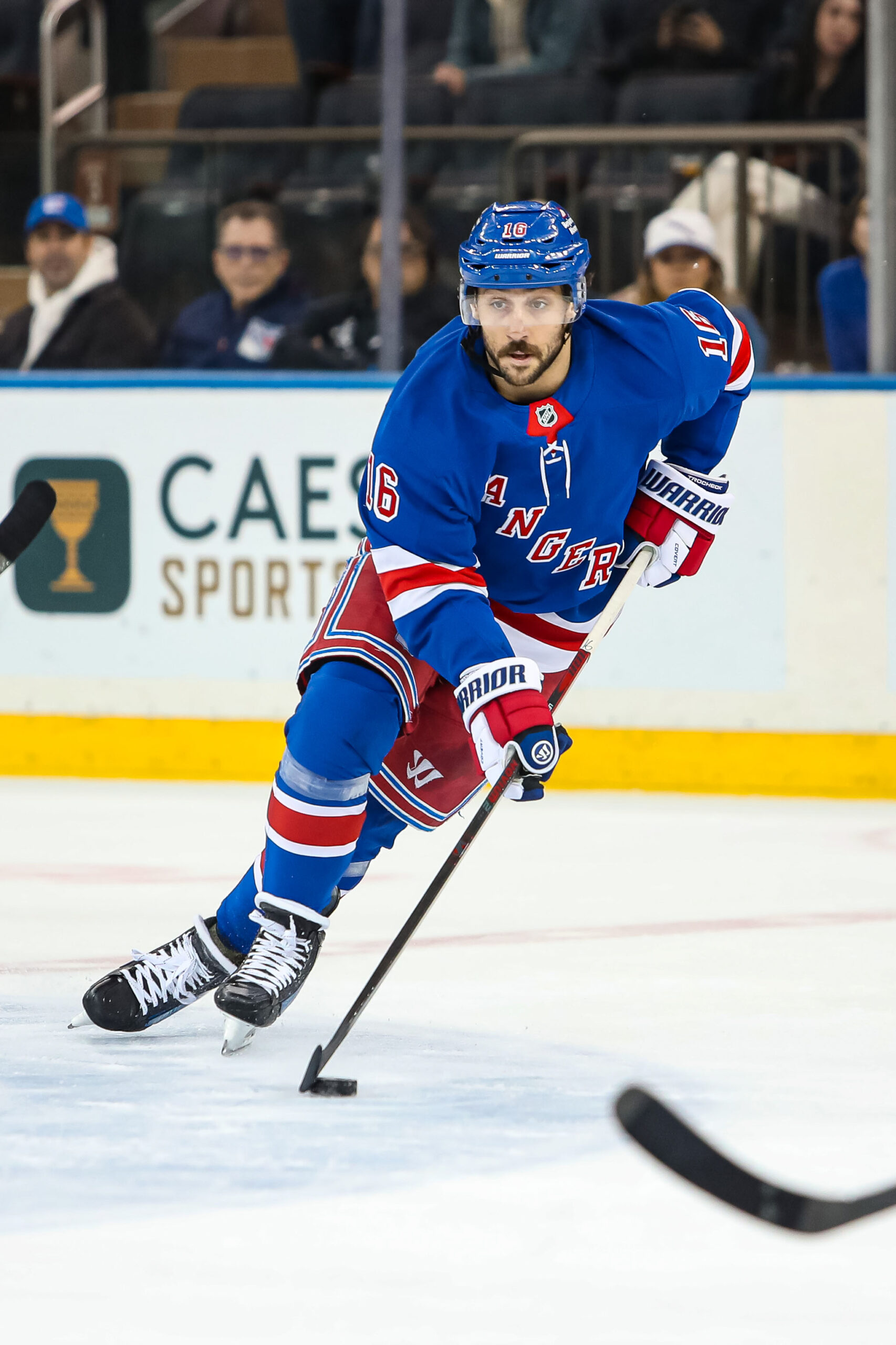 Now, it’s time to see if that bet was the right one. In theory, New York should be poised to capitalize here on the trade front. The list of top-six UFA centers is rather small this summer. It starts with Charlie and ends with Coyle. The list of teams looking for a top-six center? More than ten times as long. One team can ideally fill that spot by signing Charlie Coyle while the rest will have to try to do so on the trade front where supply is limited and demand is extremely high.
Trocheck could very well be the best center that gets made available this summer. (We’ll see what Alex Steen’s plans are for Robert Thomas, who could ultimately stick around.) Granted, there is a 12-team no-trade list that could affect things and Trocheck himself noted before the deadline that Western teams are on that list. However, there are still plenty of Eastern Conference teams who will be looking to upgrade down the middle, certainly enough to drum up a bidding war.
While the East Coast limitation increases the odds that Trocheck could be moved within the Metropolitan Division, this should be about getting the best return regardless of where it comes from. It’s a package that should include a first-round pick, a high-end prospect, and at least one other element, potentially a roster player to help offset some of the money (although Trocheck’s $5.625MM for three more years should be affordable for a lot of teams). It certainly feels like it’s time to cash in on that high demand.
Make Room For Youth
One thing that the Rangers did down the stretch was start to use their youngsters more. Gabe Perreault got a bigger role while young forwards Adam Sykora and Jaroslav Chmelar made strong first impressions. Drew Fortescue got his feet wet on the back end as well. And with that extra speed and hustle in the lineup, they were a lot more respectable down the stretch, winning six of ten games to close the season.
This isn’t a situation of reading too much into what amounts to garbage time performance. But it’s an acknowledgement that the Rangers need to see what some of their youngsters can do. With the belief that they’d like this to be more of a retool than a long-term rebuild, it’s critical that the team finds out which of these youngsters are going to be part of the core group at that time. The only way to do that is to give them a chance to play at the NHL level.
That means that this summer, the focus shouldn’t be on re-signing or replacing Jonny Brodzinski or Conor Sheary up front; those spots can be left for some of those youngsters. Is Matt Rempe (still just 23) or Adam Edstrom (now 25) still in the plans or are they movable? Would Taylor Raddysh’s or Urho Vaakanainen’s role be better served by more of a prospect?
This isn’t a case of bringing in half a dozen youngsters. That will cause a different set of challenges. But having a few spots available at the start of the year to use for evaluation would give the team a lot more information about the future. To do that, they may yet still need to move out a veteran or two.
Add Goaltending Insurance
There is one other roster spot that appears likely to be turned over to a youngster, that being between the pipes. With Jonathan Quick retiring, prospect Dylan Garand appears to be in line to get a shot at the full-time backup spot behind Igor Shesterkin. While it’s not ideal that a soon-to-be-24-year-old will be looking at limited minutes behind one of the NHL’s top netminders, Garand has to pass through waivers next season and it’s not a guarantee that he’d pass through unclaimed should they try to sneak him down.
But even if the plan ultimately is to re-sign Garand (a pending RFA) and have him in the number two role, they need a Plan B. If he struggles mightily in training camp, turning to midseason signing Spencer Martin isn’t exactly a viable option as he has struggled in his limited action at the top level.
Accordingly, this is the one position where a veteran addition could be useful. The ideal fit would be a veteran who could cover the backup role if Garand struggles or pass through waivers himself if Garand is ready for the job and serve as insurance with Hartford. Basically, the type of role they once envisioned for Louis Domingue but someone perhaps a little more proven. Buffalo signed James Reimer for that role for 2024-25 (though he never made it through waivers for their plan to work). Someone around that caliber of player would be a worthwhile addition, even if it goes against the rest of the goal of getting younger.
Photo courtesy of Danny Wild-Imagn Images.
Offseason Checklist: Calgary Flames
The offseason has arrived for half of the league’s teams that aren’t taking part in the playoffs. Accordingly, it’s now time to examine what they will need to accomplish over the coming months. Next up is a look at Calgary.
After a late-season push in 2024-25, there were some in Calgary who hoped that the Flames would be able to take another step forward and get back to the playoffs. Instead, the firm realities of a rebuild set in, with the team ultimately jettisoning their two top defensemen and number one center. There is a lot that GM Craig Conroy still has to do although with 2026-27 expected to be another tough year in the standings, the biggest work isn’t in the cards this summer.
Keep Stockpiling
Last summer, the Flames only had one extra draft pick but it was an important one in the form of a first-round selection, albeit at the end of the first round. It was the second straight year they had an extra pick in the opening round after nabbing Zayne Parekh and Matvei Gridin in 2024.
As things stand, that will extend to three years as Calgary has an extra first-round selection (Vegas), plus three extra second-rounders that in theory could be packaged to try to land another day one pick. They also have extra firsts in 2027 and 2028.
That’s a strong foundation of draft picks to work with although that’s only part of the battle. They also need to keep adding more drafted prospects that are closer to being NHL-ready to their pool. Those players would then represent the next wave as more veterans are cleared out over the next couple of years before the high volume of draft picks yield players that will eventually be ready to push for playing time. Calgary has done well there lately as well with the additions of Abram Wiebe, Jonathan Castagna, and Tyson Gross over the last few months.
Will there be a logjam down the road? That’s the ideal plan, giving the Flames extra depth to deal from at the time that they should be flipping the switch from their rebuild to trying to contend. So, for now, there should continue to be an emphasis on not just quality but also quantity, allowing a deep stockpile to get even deeper. Continuing to add center depth would be particularly wise.
Cash In On Coleman
Heading into the trade deadline, there were questions of how many more veterans would be heading out the door, joining Rasmus Andersson who had already been moved to Vegas. MacKenzie Weegar ultimately was moved to Utah while Nazem Kadri wound up back in Colorado. But there was one veteran of significance who was drawing significant interest who didn’t move, winger Blake Coleman.
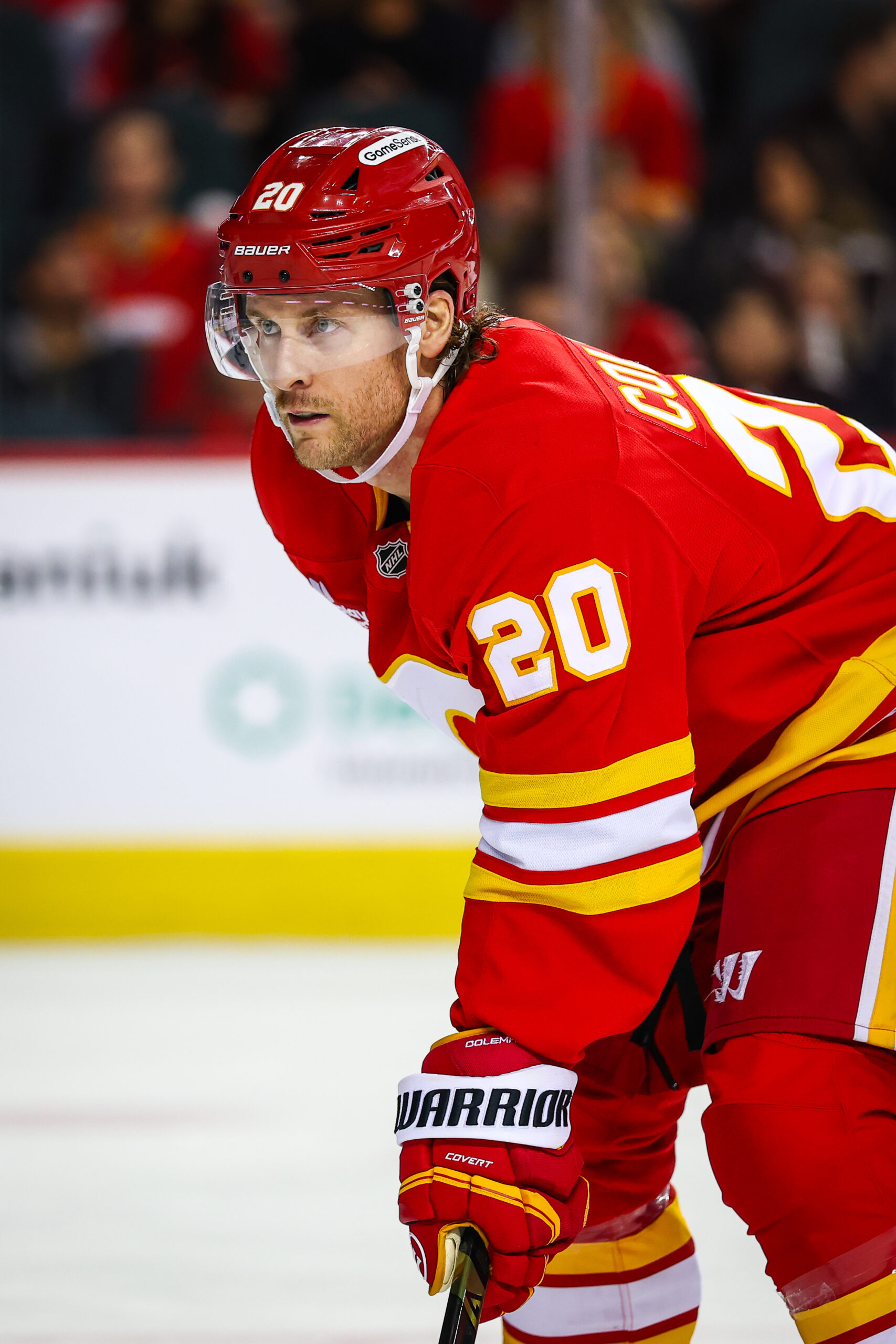 While there’s something to be said for having some quality veterans to work with a young core group, there’s also something to be said for not cashing in one of their top trade chips. Yes, his contract is on the pricier side for a player who has only reached the 40-point plateau once, but with the salary cap set for a big increase and a fairly thin UFA market, $4.9MM for one season is a price tag that a lot of teams should be able to afford. (And if not, Calgary gets two salary retention slots back on July 1st which could be used to get something done.)
Down those retention slots back in March, it’s understandable that Conroy opted to pass on moving him as in theory, the return should be better with part of the contract paid down. It’s also understandable that a team would want some quality veterans working with an increasingly younger core group. But Coleman is also one of the few veterans remaining that could plausibly yield a return of significance. It’d be hard to pass that up for extra mentorship in the room. Yes, they could wait things out and see how things look at next year’s deadline, but if there’s a strong return out there this summer, that might be the right time to take it.
Add Serviceable Veteran Defender
If Conroy is concerned about a dearth of quality veteran leaders in the dressing room following the recent exodus of players (and the potential move of Coleman), there’s nothing stopping him from trying to add one via trade or free agency. And if he wants to do that, looking at the back end would be a good idea.
While Calgary did receive veterans back in the Weegar (Zach Whitecloud) and Weegar (Olli Maatta) deals, neither of those players are ideal top-half pieces in the lineup. Whitecloud, meanwhile, had a strong market at the trade deadline and is a plausible candidate himself to get dealt over the summer if the Flames want to cash in on his elevated trade value. Those two were basically top-pairing players down the stretch with Kevin Bahl getting nearly 22 minutes a night as well.
Meanwhile, their depth isn’t the greatest either. While they have high hopes for Zayne Parekh, and Yan Kuznetsov impressed this season, Brayden Pachal and Joel Hanley are next on the depth chart. Those are more fringe/depth pieces than full-fledged regulars. They could be upgraded on with another serviceable veteran or two that raises the floor of the group to move it to more of a by-committee approach which probably better suits this roster.
Fortunately, depth defenders are a lot easier to find than top-four pieces, ones they’ll have to trade for at some point when they’re closer to ending their rebuild. But a good veteran or two on the third pairing can help fill some of the leadership gap and perhaps even give them some chips to move closer to next year’s deadline. While rebuilding teams often aren’t looking to get older, Calgary could buck that trend with the right veteran blueliner or two.
Work On Frost Extension
Last summer, the Flames elected not to work out a long-term contract with then-RFA center Morgan Frost. Having just acquired him from Philadelphia earlier in the season, they wanted to get a better sense of how he’d fit. Accordingly, he inked a second bridge contract, a two-year, $8.75MM agreement. On July 1st, he’ll be extension-eligible and now armed with more information about his fit on the roster, Conroy should be looking to get something worked out.
Frost only managed a dozen points in 32 games after being acquired last season. However, a full training camp and season in Calgary’s lineup seemed to get him going again. Frost played in all 82 games this season for the first time in his career, scoring a career-best 22 goals while adding 21 assists in 15:30 per night of playing time. He also won nearly 57% of his draws, also a new personal best.
While Frost doesn’t profile as a top-line pivot by any stretch, he should have plenty of years ahead of him in a middle-six role. While that’s not necessarily the type of player teams will generally want to commit a long-term contract to, Calgary’s dearth of center options could force their hand. Kadri is now gone while captain Mikael Backlund is 37 and is nearing the end of his career (though he begins a two-year deal next season). Ryan Strome is also in the fold but is more of a reclamation type of project.
Yes, the Flames have high hopes for prospects Cole Reschny, Cullen Potter, and newcomer Castagna. However, those players are a while away from making meaningful NHL contributions. Frost is a logical fit to try to keep around for a few extra years beyond 2027 to serve as a bridge to some of those prospects.
Given that he will be an unrestricted free agent next summer and the big projected increases to the salary cap, it’s fair to say that Frost will be in line for a bump up on his current deal. An increase into the $6MM-plus range feels doable and with their long-term cap situation looking quite strong at the moment, it’s a price tag they can afford. Rather than wait it out another year, it might make more sense for the Flames to get this done this summer.
Photo courtesy of Sergei Belski-Imagn Images.
Evaluating Trade Deadline Acquisitions By Non-Playoff Teams
The Stanley Cup Playoffs are in full swing, but with half the league looking ahead, and more soon to join them, it’s time to look back at the non-playoff clubs and evaluate their moves. Whether an aggressive swing on a rental, or a more modest “win now, and later” deal, how are their trades looking?
Los Angeles’ blockbuster acquisition of Artemi Panarin didn’t yield a single playoff win, nor did the Warren Foegele trade help Ottawa avoid a sweep at the hands of his former club in Carolina. Yet both the Kings and Senators at least qualified for the postseason. What about those who did not? In order to meet the criteria below, the following March acquisitions had to have clear “win now” intentions. How did each of these players fare with their new clubs up to game 82, and what comes next?
One of the bigger deals of deadline day, Detroit finally supplemented their blue line, trading for St. Louis’ Justin Faulk in exchange for first and third-round picks in 2026, Justin Holl, and unsigned KHL prospect Dmitri Bychelnikov.
In 17 games with Detroit, Faulk’s corsi share at five-on-five actually dipped slightly from his time on the bottom-feeding Blues, to 44.8%. His ice time dropped over two minutes to 20:15, the lowest average for the veteran in six years. A second-pairing option alongside Ben Chiarot, Faulk’s powerplay role dropped to PP2 behind Moritz Seider. All told, the Wings closed out the campaign with a 6-10-3 record after acquiring Faulk, and as is no secret, they missed the playoffs for the 10th consecutive season. The 34-year-old defenseman is signed through next season at $6.5MM, at least not a rental in a trade which didn’t move the needle.
Meanwhile, the Blues will enjoy another first rounder, currently 15th overall. St. Louis did the 34-year-old Holl right and skated him in nine contests, his first NHL action of the campaign. Recording two points, his $3.4MM contract will come off the books this summer, and there’s a strong possibility the veteran of 405 games saw his last NHL duty as a Blue. Regardless, St. Louis likely came out on top based on the strong first rounder alone, a pick which will always be tied to Detroit based on their selection’s eventual development.
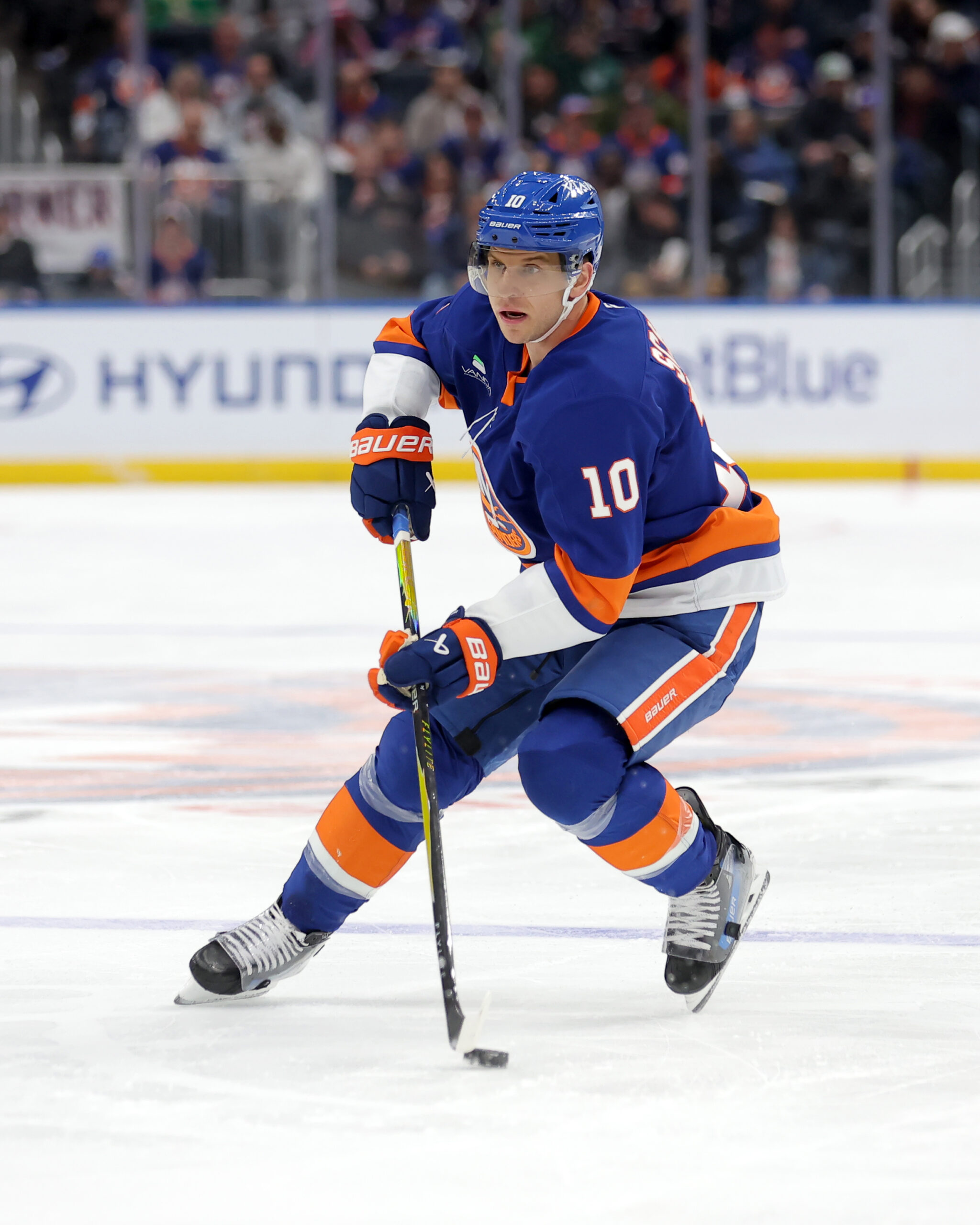
Sticking with St. Louis, they netted more assets, sending captain Brayden Schenn to the Islanders for another first and third round pair in 2026, along with Jonathan Drouin and Marcus Gidlöf.
A steep price to pay for a 34-year-old whose days as a top center are long behind, Schenn regained some scoring touch on Long Island, posting six goals and 11 points in 19 games. A Kyle Palmieri replacement of sorts, Schenn got power play time and played on the wing. Still signed through 2027-28 at $6.5MM, the veteran won’t be going anywhere.
After struggling with the Islanders, Drouin got a fresh start with the Blues, recording three points in nine games. His contract runs through next year, at a suboptimal $4MM, but as the franchise turns to the future, he will work to rebuild his stock. On the flip side, a buyout would not be a shock.
Going 8-11 after bringing in Schenn and missing the playoffs, thankfully for New York, St. Louis will take Colorado’s first round selection, originally acquired in the Brock Nelson trade. Somewhat softening the blow, it’s a reasonable price as long as Schenn can maintain top six production for at least one more year.
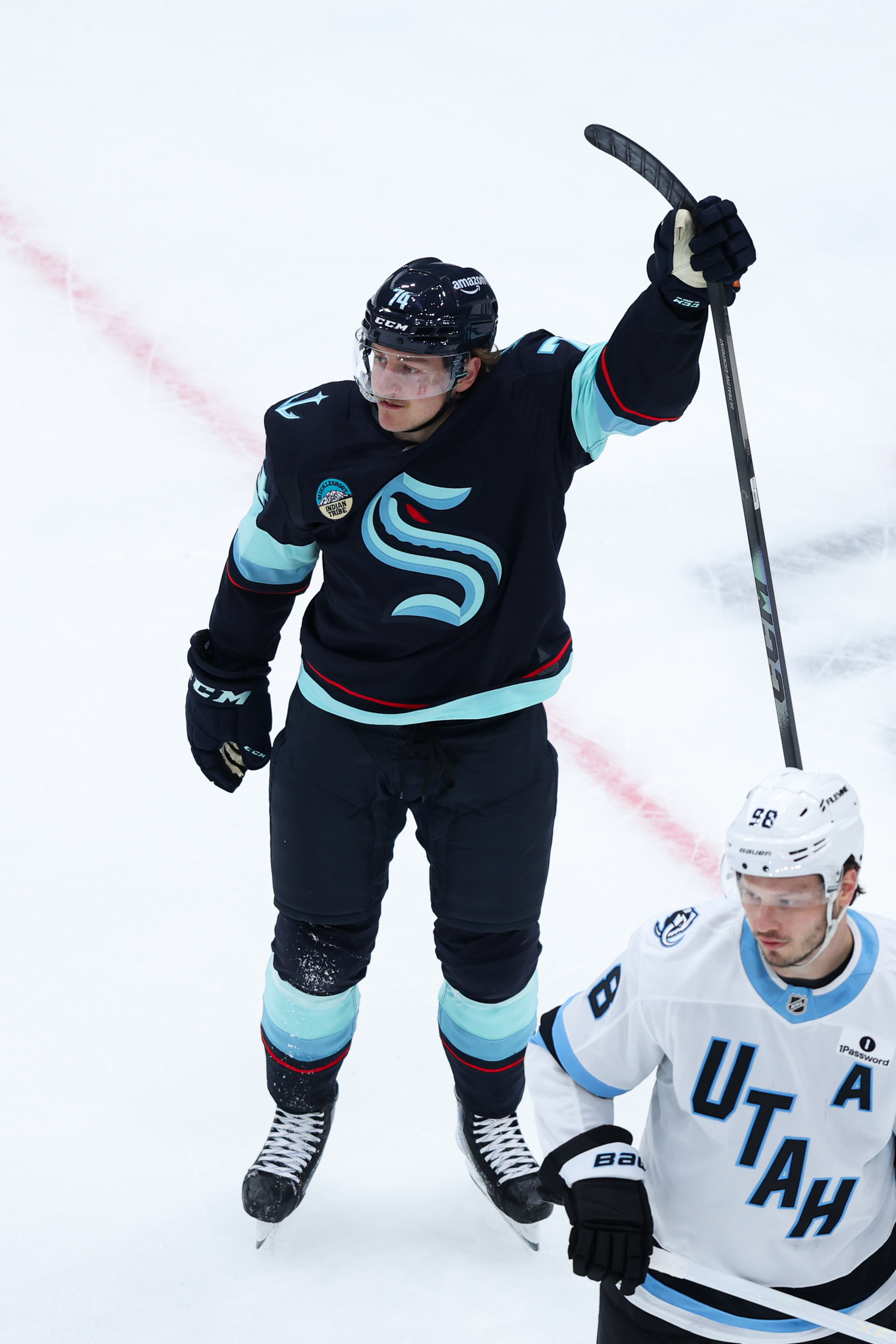
A player already making the most of his contract year, Bobby McMann’s Seattle tenure leaves his free agent market only more fascinating. The late-blooming undrafted winger was dealt from Toronto, fetching them a conditional second rounder in 2027 along with a fourth round selection in this summer’s draft.
With the Kraken, McMann cemented himself as a true top six scorer, his ice time jumping to just under 18 minutes a night, by far the highest of his career. The power forward notched 10 goals in just 18 games, shooting at a 17.2% clip.
Despite McMann’s hot streak, the Kraken won just one regulation game out of their last 16 games, a brutal stretch which doomed their playoff hopes. A strong fit, they’d be wise to re-sign the 29-year-old, but there’s no telling what McMann will be offered on the open market. As for Toronto, a second rounder is a nice return for a player they were prepared to lose for nothing, however, it won’t be much help for a team desperate to turn things around fast.
Moving along, the Columbus Blue Jackets acquired Conor Garland from Vancouver for a third round choice in 2026 and a second rounder in 2028.
Clearly with no Canucks players to analyze yet, it falls entirely on Garland and his production with the Jackets. The 30-year-old netted five goals in 21 games with Columbus, nearly matching his seven in 50 contests as a Canuck, although his usage dropped nearly six whole minutes. Still signed until 2029-30 at $6MM, it’s a deal which raises serious question marks for the Jackets. He and Mathieu Olivier share the distinction of the longest signed forwards on a group composed of mostly younger players, and for better or for worse, they’re banking on his 50-point production moving ahead.
Back to Detroit, they brought back a familiar face, David Perron from the Senators for a conditional fourth round pick. The 37-year-old’s usage was relatively the same, but he tallied just three points (all goals) in 16 games. Perron will hit the market this offseason, with the chance that he played his 1,239th and final NHL game. With no conditions to worry about on Detroit’s side, they’ll be lacking a fourth rounder in June, but it’s nothing to lose sleep over after a reunion with a respected veteran.
Rounding out the group, the Washington Capitals dealt for Timothy Liljegren from San Jose for a 2026 fourth round selection. A team so often known for their reclamation projects, it wasn’t the cleanest turnaround for GM Mike Grier, who gave up a third round pick to Toronto for the former top prospect. Still, it was a fine return for a player not in future plans after a worthwhile flyer taken.
The 26-year-old made just four appearances in Washington, not recording any stats. If that is it for his Caps tenure, there could still be a market for the righty as a bottom pairing option, still offering some untapped potential, although time is wearing thin. Either way, there was little to lose, as at the time Washington was still intent on making the playoffs, with a John Carlson-sized gap on their blue line.
With none of the trades above made the difference in their buyers making the postseason, Faulk, Schenn, and Garland will try to prove their organizations right in 2026-27, while their fans will hope no draft steals in Buffalo will lead to scrutiny in years to come. McMann and Liljegren could depart for nothing in return, leaving short tenures. Finally, Perron missed an opportunity to add to his 110 playoff games, which would have happened should he have stayed in Ottawa, but he may have put the final touches on an impressive 19-year-career back with an Original Six franchise.
Image Credit: Brad Penner-Imagn Images (Schenn)
Image Credit: Kevin Ng-Imagn Images (McMann)