
PHR Mailbag: Lundqvist, Rangers, Turris, Kovalchuk, Islanders
Topics in this edition of the PHR Mailbag include Henrik Lundqvist’s future in New York, what’s next for the Rangers, piecing together a Kyle Turris trade, the Ilya Kovalchuk situation with the Kings, and what the Islanders should be looking to add by the trade deadline.
met man: Seems to me that the Rangers have a decision to make in regards to goaltending. What is your take on Lundqvist’s future? The 2 Russian kids have played great (Georgiev with NYR and Shesterkin with Hartford), I hope they don’t trade one of the kids.
It won’t just be the Rangers that have a say in Lundqvist’s future. The veteran has a no-move clause, one that he’s believed to have invoked a couple of years ago when they were considering looking into moving him at the trade deadline. It’s certainly possible that they’ll approach things in a similar manner in February and see if he’s willing to be dealt now. If so, that would solve the logjam but if he says no, I have a hard time thinking they’d try to force him out either. While his salary for next season ($1MM signing bonus and $4.5MM in salary) is lower than his AAV, it’s still certainly high enough that he’s not going to want to walk away from it.
New York’s still in a pretty good situation. Alexandar Georgiev and Igor Shesterkin appear to be a pretty good goaltending tandem of the not-too-distant future. Georgiev’s a restricted free agent this summer but his NHL track record isn’t substantial enough that he’s going to break the bank on his next deal which will probably be a short-term pact. Lundqvist is still going to have enough playing time to help keep Georgiev’s AAV low so they’re fine in that regard. Knowing that he’ll have the inside track to take over as the starter (or at least the 1A role in a platoon) should be enough to keep Georgiev content next season as well in another timeshare situation.
Shesterkin’s case is a little trickier but still pretty favorable. He’s signed through 2020-21 on his entry-level deal so when his deal runs out, Lundqvist’s contract will also be up so there’s his full-time NHL spot (unless Lundqvist decides at 39 that he wants to keep playing in New York, a scenario that seems unlikely at this point knowing that the Rangers will probably be wanting to move on). Yes, the European Assignment Clause is a factor but it shouldn’t make or break things. If Lundqvist is still around next season, it’s possible (if not probable) that Shesterkin would rather go back to the KHL for the year but he’ll know his NHL spot will be there for 2021-22.
The Rangers don’t have to do much of anything when it comes to their goaltending. They’ll have to re-sign Georgiev in the summer but that’s the only guaranteed decision they’ll need to make. If Lundqvist decides he wants to finish out his career somewhere else and try to chase a championship, they’ll probably try to accommodate that request but if not, they can easily let things play out and then set up the Georgiev-Shesterkin tandem for 2021-22 and beyond.
acarneglia: What’s the next move for the Rangers?
Short-term, I don’t expect much of anything on the trade front from them. They will want to find out what Chris Kreider’s price to get an early extension done and we’re probably a couple of months away from really getting a sense of what that’s going to ultimately cost and whether or not the Rangers are willing to pay that.
I think they’d like to move out Marc Staal but I also think they’ve wanted to do so for a couple of years now so I wouldn’t count on that actually happening. Ryan Lindgren and Libor Hajek have had their good and bad moments on the back end but if they’re still in evaluation mode for their youngsters, clearing a spot for both to play regularly would be ideal.
I wonder if Jesper Fast could be someone that’s on the move before too long. He’s a pending UFA and it’s far from a guarantee that he’s in New York’s plans long-term. As Kaapo Kakko eventually pushes for more playing time, it may very well come at Fast’s expense which would hurt his trade value. Accordingly, moving him sooner than later may be the wise move. Having said that though, even that move is probably a while away.
JDGoat: What would a potential Kyle Turris trade look like?
It all depends on Nashville’s appetite towards taking another long-term overpriced contract back. Strictly from a financial perspective, one of those needs to be included in the deal as even a low-spending team with cap space isn’t going to want to absorb $6MM for this season and four more years after that. If a team strikes out in free agency next summer, maybe it’s an option then but not now. The quality of the player on that bad contract coming the other way would ultimately shape the rest of the deal.
If it’s a swap of underachieving top-six forwards, probably not a whole lot has to be done from there. (I’d prefer a defenseman from Nashville’s standpoint but there aren’t many, if any, feasible blueline candidates that could be included.) If the Predators are taking the weaker player back, then a pick or prospect balances out the deal. It seems rather simplistic but teams aren’t going to be actively pursuing him which makes any potential trade rather formulaic.
To be honest, I don’t think there’s a big appetite to move him. I know his name is out there and because of the contract they’ll listen to any potential options but Turris is still serviceable as a top-six player if injuries arise. Whoever they’d get back for him probably won’t have quite the upside he does. Nashville’s a win-now team so they’re not going to want to take a talent downgrade unless they’re freeing up a lot of cap room (which probably won’t happen). Getting out of that contract makes sense in theory but in reality, it may not be all that practical.
Winter in Colorado: Do you think Kovalchuk is tradable after his Dec 15 signing bonus is paid by LA?
This question (which was posed a couple of weeks ago) is certainly an interesting one now with everything that has happened over the last few days. Kovalchuk’s tradability after his bonus is paid is one of the big talking points around the league now.
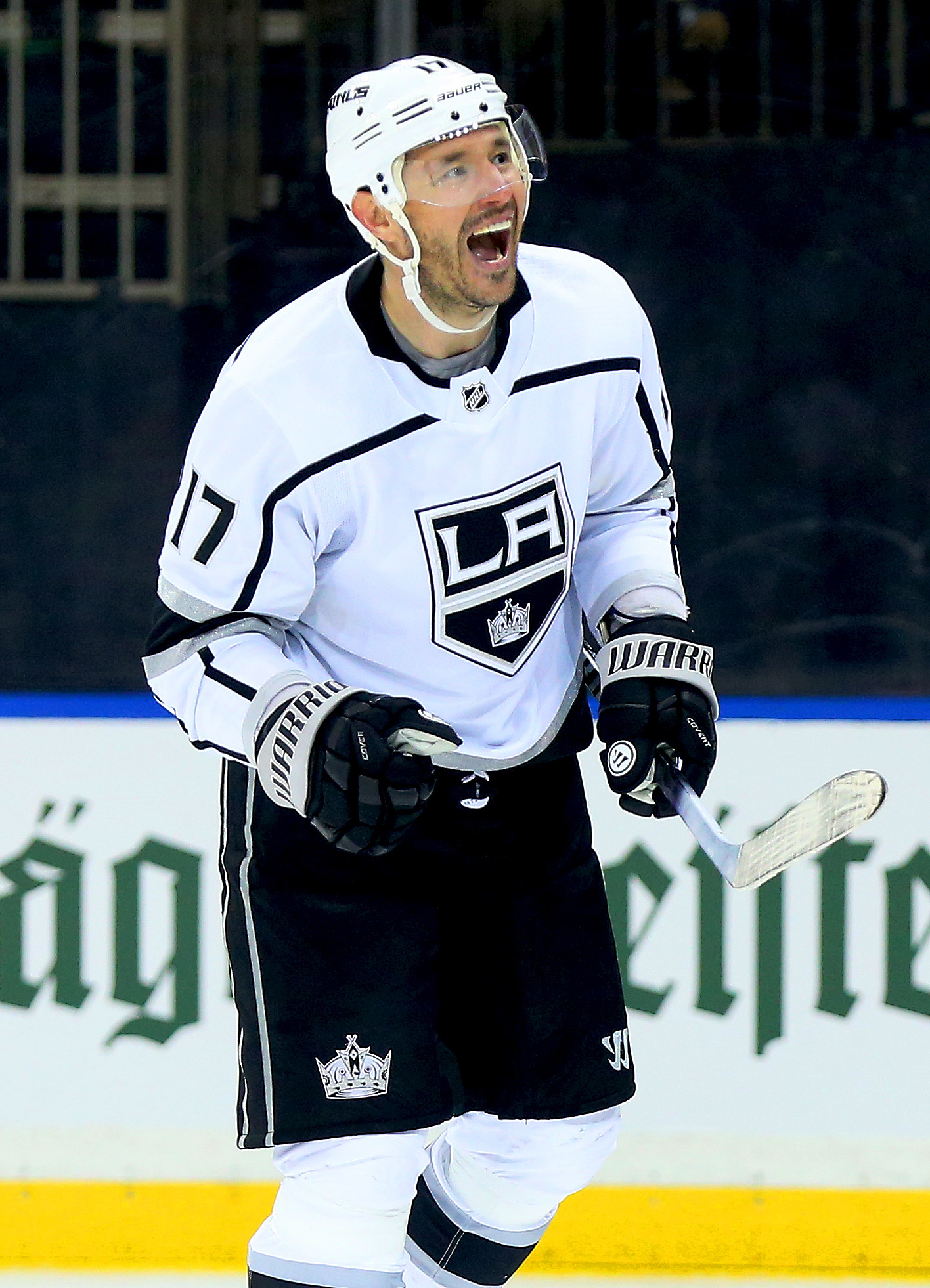 At the very least, having the bonus paid will help his trade value, as limited as it is. The Kings can’t score and they’ve benched someone that’s tied for fourth on the team in scoring. If that doesn’t raise a bunch of red flags to any potential suitors, I don’t know what will.
Nonetheless, there are a couple of scenarios where I think he could go. The first is the usual swap of bad contracts but the key will be finding one that has two years remaining at a similar price tag to Kovalchuk as the Kings won’t want a longer bad deal on the books.
The other is Ottawa eating the cap hit. That one particularly becomes palatable if Kovalchuk decides to ‘retire’ from the NHL once again; as he’s on a 35-plus contract, that cap hit remains through next season. At this point, it certainly feels like Kovalchuk will wait for the bonus to be paid before doing anything and it wouldn’t surprise me if he was to step away after that and head for the KHL once more. The Senators could take on the cap hit without paying out any money and likely get some other assets for doing so while Los Angeles would get some needed cap flexibility. It’s not an exciting move but it’s doable.
WalterNYR: It’s early but do you see the Islanders doing something at the deadline? Someone like Hoffman to help the offense would be nice.
If they continue to hold a top-three spot in the Metropolitan Division, they’ll likely be looking to add. GM Lou Lamoriello hasn’t shied away from adding to his teams in the past and the rental market is a good place to look at the deadline.
You’ve certainly identified the right type of player that they should be looking for, someone that can provide them with some secondary scoring. The Islanders are very strong defensively but are in the bottom third of the league in goals scored. Mike Hoffman from Florida would be a very good fit but I’m not sure the Panthers will be sellers at the deadline. They’re currently in a top-three spot in the Atlantic but even if they slide out of that, they’ll still be battling for a Wild Card seed.
It’s interesting – some of the better rentals play for rivals (Kreider with the Rangers and Taylor Hall with the Devils) so they’re probably out of the equation as well. Tyler Toffoli’s name has been out there and the Kings will likely move him by the deadline as a pending free agent. Beyond him, it’ll be a waiting game for a while to see which teams eventually slip out of the playoff race and start to sell but adding more production up front should be a priority for Lamoriello in the coming months.
Photo courtesy of USA Today Sports Images.
PHR Mailbag: Landeskog, Sharks, Maple Leafs, Prokhorkin, International Free Agents, Bruins
Topics in this edition of the PHR Mailbag include Gabriel Landeskog’s injury, San Jose’s early struggles, the potential (or lack thereof) for movement in Toronto, Nikolai Prokhorkin’s less-than-ideal situation, the allure of the international free agent market, and Boston’s secondary scoring troubles. If your question didn’t appear here, watch for it in next week’s edition.
M34: Over-under on games Landy misses?
When they announced the lower-body injury late last month, Colorado head coach Jared Bednar indicated that Landeskog’s injury was “longer than week-to-week”. So we know that all of November (14 games) plus the final one in October is the absolute minimum. If it was a four-to-six week thing, Bednar probably wouldn’t have made that comment so it’s safe to rule out the first half of December at the very least (another seven games). At this stage, I’d be surprised if he played at all in December so let’s rule out the entire month (13 games in total).
That puts the total at 28 games missed and with a light month of January (nine games) on their schedule, I’d take the over on 28. While he’s an important player for them, they’ll want to be cautious.
JDGoat: Is there anything to suggest San Jose can turn it around before it becomes too late?
If you’re looking for reasons to be optimistic about the Sharks’ chances, I’d look at their defense. Brent Burns is doing fine offensively but is struggling more than usual in his own end. He can be better. Erik Karlsson is off to a tough start. He can be better. Marc-Edouard Vlasic is off to a really rough start. He can be better. If those three (who combine for over 72 minutes per game or about 60% of their total blueline time), their goaltending duo of Martin Jones and Aaron Dell will get better.
Up front, Logan Couture isn’t going to play at a 10-goal pace all season long. Timo Meier may not reach 66 points again but he should be able to get past 40 at the very least and he’s not even playing at that level right now. While Joe Thornton is clearly at the back of his career, I’m not going to completely write him off either.
The potential for this roster is still pretty good even though they’re an older group. If they did nothing and won seven of their next 10 games, I wouldn’t be the slightest bit surprised. If they go 3-7 in that stretch though, then it might be too late with all due respect to what St. Louis did just last season.
@JoshVesh: You see Marincin getting picked? And where do the Leafs go for their backup goaltender? Maybe a trade by Saturday to clear room for Hyman?
Since this was asked, we now know that Martin Marincin has once again cleared waivers, paving the way for him to be among those that are sent to the minors when Zach Hyman gets the green light to return. That didn’t come as much of a surprise considering he has cleared multiple times in the past and most teams have a player like him (a fringe piece with a fair bit of NHL experience over the years) in their system already.
 As for the backup goalie situation, I don’t think they’re going anywhere beyond looking down the bench at who they have in Michael Hutchinson. They don’t have the cap room to spend much more than the league minimum they’re paying him and at that price tag, it’s not as if there are plenty of notable upgrades available. Yes, he’s off to a rough start but playing him in the second half of four back-to-backs against the three top-scoring teams in the East (Washington is first while Boston and Montreal are tied with Toronto for second) put him in a really tough situation. Give him a couple of easier starts in non-back-to-backs (which they’ll need to do if they want to rest Frederik Andersen a bit more) and he’ll probably provide some better results.
I don’t expect a trade in the short-term when it comes to activating Hyman. It’s not as if Toronto didn’t know this was coming over the summer and they structured their cap situation to be this way where they could keep as much of their talent together as they could, even though it comes with the risk of carrying minimal depth and no cap room to work with. GM Kyle Dubas is going to want to see how this group looks when fully healthy (something they haven’t been able to see yet given the injuries) and then if tweaks need to be made (or cap space has to be opened up), a trade in the second half of the season becomes likely.
MixtureBill: Thoughts on Prokhorkin in LA? The team is floundering and McLellan seems to refuse to put him in the lineup. When does his European assignment clause expire, and do you see him returning to the KHL before that happens?
There generally isn’t an expiration date on a European Assignment Clause though the starting effective time can vary. It generally reads that if the player isn’t in the NHL at a specific point in time, they can trigger the assignment. Considering they brought Prokhorkin up on October 18th and have only played him twice since then, it’s reasonably safe to infer that the initial trigger date was somewhere around October 18th. Having a waiver-exempt player frequently sitting as a healthy scratch isn’t ideal for anyone. But as long as he’s on the NHL roster, he can’t force a reassignment.
It’s clear that Todd McLellan isn’t ready to trust him yet and that Prokhorkin wants nothing to do with playing in the AHL so there’s a stalemate at play. From an outside perspective, I think it would be worthwhile trying to give him the odd game here and there since he did enter the season as one of their more intriguing prospects. Generally speaking, it makes sense to keep players fresh in case they’re needed when injuries strike and let’s face it, it’s not as if the Kings are doing all that well in the first place as you alluded to. As their expected selloff happens, that should create an opportunity for him but he’s going to have to make a quick impact if he wants to lock down a regular role.
@CanuckJake16: Do 1st time players from the KHL fall under a different cap salary system, a cheaper option to sign “experienced” players under a tight cap???
The entry-level system is a little different for international-based players (not just those from the KHL). While a non-European player would see his ELC eligibility expire at 25, any European that signs his first NHL contract at or before 27 is subject to a one-year ELC that is capped at a base salary of $925K before performance bonuses. That’s why Ilya Mikheyev in Toronto is capped at $925K while Vadim Shipachyov (who two years ago signed with Vegas at 30), was able to get a $4.5MM AAV though the deal ultimately came off the books when he ‘retired’ from the NHL two years ago today.
Every year, there are a handful of players that are signed with your idea in mind, someone that has a bit more experience than a prospect in the minors does but they’re both subject to the same contract restrictions. I think it’s fair to suggest that a lot more haven’t worked out than those that have. Nonetheless, it’s an interesting market inefficiency that some cap-strapped teams are likely going to try to continue to mine. Of course, the top players may prefer to stay at home where their earning potential is higher and then try to come over when they’re not subject to ELC restrictions.
sovietcanuckistanian: The Bruins (lack of) secondary scoring seems to be rearing its ugly head again. The pace the Perfection Line is on is nice but unsustainable. Krejci coming back is a start but do you think they have an internal candidate to plug/play and maybe alleviate some of their woes or do they have to look outside the organization for help? I only ask because Backes is on the IR for now and depending on his length of stay there they may need to explore getting actual help? Thoughts?
Secondary scoring in Boston has been a need for a while now which is why they’ve had to trade for help the last couple of trade deadlines. Undoubtedly, they hope that younger players like Danton Heinen and Anders Bjork would be able to step up and that a full season from Charlie Coyle would help. Those three have combined for a line of seven goals and six assists in 40 games which isn’t what they were looking for.
They’re not a team that’s swimming in cap space and with the eventual return of Kevan Miller and John Moore, they’re probably not going to want to make a move until those two get back and their cap situation (without LTIR) becomes a little more certain. That means for the next little while at least, they’ll be testing from within.
Zachary Senyshyn and Cameron Hughes have had recent looks. I could see Jack Studnicka getting a chance as well before too long. Peter Cehlarik is up now and while he hasn’t produced much in the past during his various stints, he should get a bit of a longer leash to work with. At the end of the day, I think they’ll be active on the trade front for that extra scoring help but that probably won’t be for another couple of months. Until then, they’ll be rotating through internal candidates unless one of them takes the opportunity and runs with it.
Photo courtesy of USA Today Sports Images.
Submit Your Questions For The #PHRMailbag
We’re now more than a month into the 2019-20 regular season and the NHL has provided surprise and shock on a daily basis. Some of the most incredible goals of the last decade have been scored early on, including Andrei Svechnikov‘s latest contribution to lacrosse lore. With teams starting to understand what they have to work with, trade talks will soon start to heat up with bigger and bigger names hearing their names floating around.
With that in mind, it’s time to run another edition of our mailbag. You can submit a question by using #PHRMailbag on Twitter or by leaving a comment down below. Make sure you get your questions in early and we’ll try to get through as many as possible when the mailbag runs on the weekend.
If you missed our last edition it was split into two parts which you can read here and here. In the first part, Brian gave Barry Trotz and the New York Islanders the benefit of the doubt and they have responded with a league-best nine-game win streak—you’re welcome, Islanders fans. The second part took a look at the Buffalo Sabres situation on defense and examined how the salary cap is determined.
PHR Mailbag: Sharks Goalies, Wild, Buffalo’s Defense, Cap Projections, Early Surprises, Trade Market
Topics in this edition of the mailbag include San Jose’s goaltending situation, Minnesota’s veterans, Buffalo’s blueline, salary cap projections, early-season surprises, and whether or not some notable trades could be on the horizon.
JDGoat: Will San Jose have to look at an upgrade in net or are they going to be forced to stick with Jones?
I think they’d like to look for an upgrade between the pipes but they’re not really in a position to do from a financial standpoint. With less than $1MM in cap room, they’d basically be forced to try to match money in any trade they make and finding a team that’s willing to part with a goaltender that’s an upgrade on Martin Jones that makes close to the same money is going to be tricky to put it lightly.
Instead, their upgrade may have to come in the form of a replacement goalie for Aaron Dell. Technically, they were looking for that last season and one never really came to fruition. However, with Dell being in the final year of his deal with a more manageable $1.9MM AAV (compared to $6MM for Jones), that would be an easier move to make. They wouldn’t be looking at getting someone that could realistically push for the starting role at that price tag (his cap hit plus some of their remaining room) but an upgrade there might be worth a few points in the standings over the course of the season if they find a swap sooner than later.
Generally speaking, unless they find a way to shed a sizable contract without taking as big of one back, GM Doug Wilson is going to be forced to look for marginal upgrades this season. That’s not particularly exciting compared to a year ago but with their cap situation being what it is, it’s all they can really do.
jb10000lakes: Odds that one, or both Suter and Parise forgo their No Trade clauses to get out of Minny (these next couple years are going to be ugly), and how much would the Wild be willing to eat for them to do so?
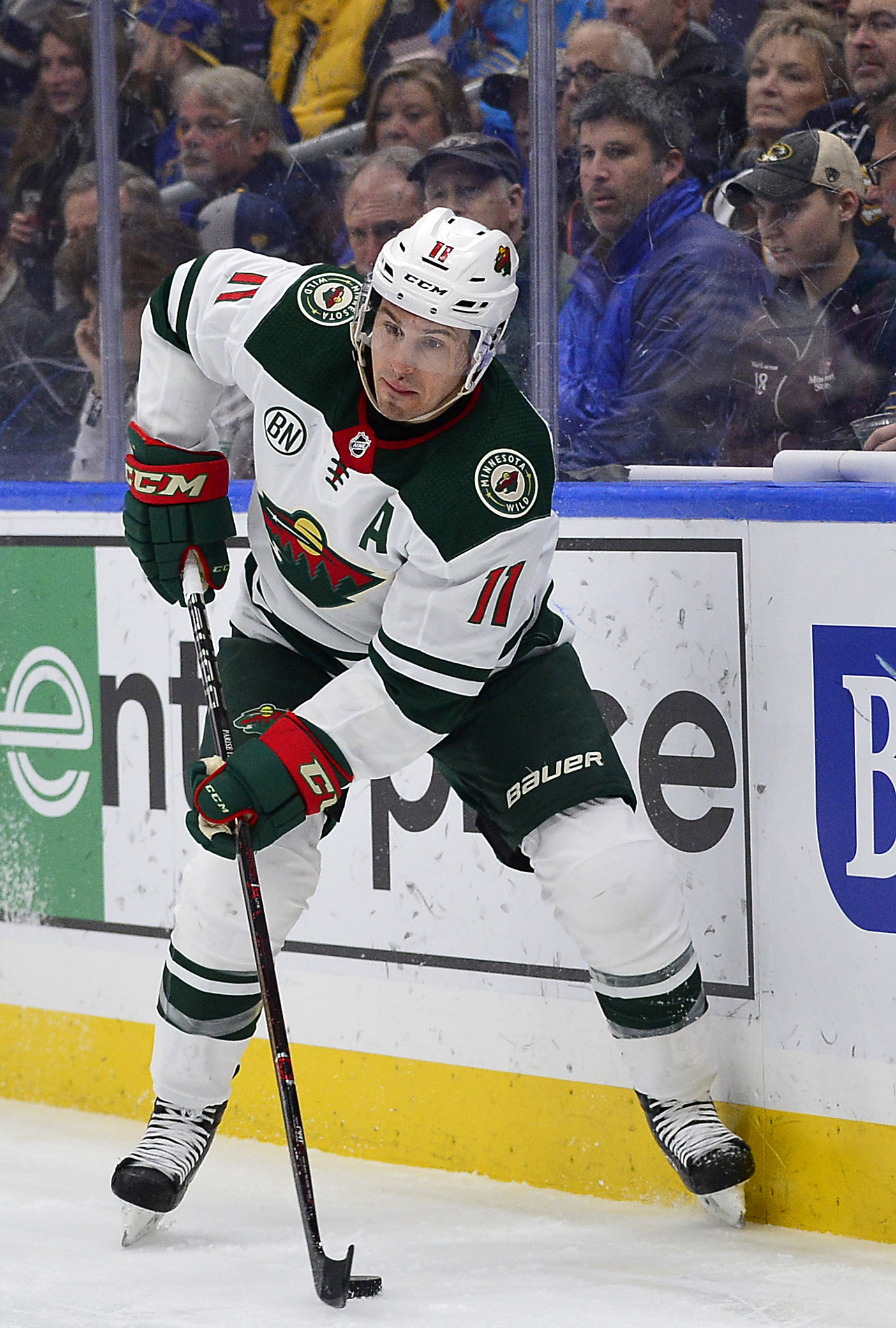 Considering Zach Parise has already said that he’s not looking to be part of a rebuilding process, I’d put the odds of him being willing to waive as quite high. However, it’s not quite that simple. Is new GM Bill Guerin going to be willing to retain a sizable portion of his contract plus assume the risk of salary cap recapture if Parise opts to not play the final few years of his heavily back-diving contract? Over the final three years of his deal, his salary is a combined $4MM so the recapture potential is high for Minnesota and non-existent for the acquiring team. If you have to sell low and assume the risk on the back end of his contract as well, you might be better off keeping him. Now, if Parise rebounds and boosts his trade value to the point where they get some quality picks or young players for him, then a move is more palatable.
Ryan Suter is a bit of a different case. I don’t sense that their desire to trade him would be all that high unless he wants to waive his NTC. I suspect the odds of him doing so would be a bit lower than Parise as he’ll still be playing a premium role in a rebuild. I still don’t think they would need to retain anything to get value in return though. Quality defensemen are hard to find and while a $7.538MM AAV will be tough to stomach in the final few years of his deal, he still has several above-average seasons left in him. If Minnesota has to retain anything and assume the same recapture risk as Parise, it wouldn’t be a great move for them unless doing so was to bring back a high-end young talent.
@djay6: Could we see the Sabres moving a D-man?
At some point, yes, a move is likely. For me, I’d hold off on doing so though until Brandon Montour comes back and gets into game shape. Yes, that might push Henri Jokiharju to the press box for a few games which isn’t ideal for a youngster but it would be the safe play. See how Montour fares with Rasmus Ristolainen and Colin Miller on the right side and then figure out which one is the most expendable. It’s starting to seem like the odds of Ristolainen being the one to move are decreasing and speculatively, I wonder if Montour could be the one to go now.
The market for him would be strong considering it took a first-round pick and Brendan Guhle to get him back in February so a similar price tag would be expected here. He’s also due for a sizable raise over the offseason at the time where from a team perspective, a long-term pact that buys out some UFA years would be desirable. Montour isn’t likely to have a big enough role as long as Ristolainen plays heavy minutes and Miller logs more than what most third pairing options are so he probably would hesitate to sign long-term with Buffalo for now.
Of course, if another defenseman goes down with an injury over the next few weeks, that could all change in a flash.
Gerald Arrington: Gavin, is there a list of by years that have the NHL Salary Cap figures increase, have messaged before as I had seen it on a story regarding the Seattle Expansion about 3-4 months ago, which indicated that salary cap will rise when they enter league, I believe you wrote the story, maybe wrong, with it at $81.5 million , and rise each year till Seattle it will be $85 million per team ,what about the years in between , by listing by year. Thanks!
First, here’s the salary cap history by year:
2005-06: $39MM
2006-07: $44MM
2007-08: $50.3MM
2008-09: $56.7MM
2009-10: $56.8MM
2010-11: $94.3MM
2011-12: $64.3MM
2012-13: $60MM ($70.2MM pro-rated)
2013-14: $64.3MM
2014-15: $69MM
2015-16: $71.4MM
2016-17: $73MM
2017-18: $75MM
2018-19: $79.5MM
2019-20: $81.5MM
As you can see, the changes have been all over the board since it was instituted. There’s no fixed plan in place that says the cap will be $85MM or any fixed amount by the time Seattle reaches the NHL. It all depends on the increase in hockey related revenues (commonly referred to as HRR) and how much, if any, of the 5% inflator the NHLPA decides to use. While at the beginning, using the maximum was common (which is why there was a big jump in some of the early years), the high escrow rate has caused them to lessen that in an effort to get that under control. Personally, I’d be surprised if the Upper Limit goes up by more than $2MM for 2020-21. It’ll probably be a similar increase the following year as well so yes, an $85MM salary cap is probably a reasonable ballpark projection at this point by the time Seattle debuts but nothing for that season has been finalized just yet.
acarneglia: Teams that are the biggest surprises/disappointments in each division?
I’ve tackled some prediction questions like this in previous mailbags so rather than reiterate those thoughts here, instead, here’s some commentary on the surprises and disappointments over the first few weeks of the year.
Atlantic: Buffalo has been a pleasant surprise early on. Yes, they had a stretch of games last season before completely collapsing and it could happen again. However, I think they’re better up front and on the back end while having a better coach. Perhaps they’re not a top-three team but they could very well be in the Wild Card race which didn’t seem likely just a few weeks ago. There really hasn’t been a big disappointment just yet. Florida has underwhelmed a bit but with a new coach (and therefore new system) in place, that’s not entirely shocking.
Metropolitan: Columbus has been more competitive than I expected early on. I don’t expect them to continue to hover around the playoff picture as the season progresses but they’ve been a bit of a surprise so far. On the flip side, New Jersey was my pick to surprise in terms of pushing for a playoff spot but they have floundered so far.
Central: I thought Colorado would get off to a strong start but I didn’t think they’d be this strong out of the gate. There’s plenty of cause for optimism there. Dallas and Minnesota have both been big disappointments though. The Stars were a trendy pick to be a sneaky contender and with good reason following their offseason moves but they have just one win so far. Meanwhile, I figured the Wild would dip a bit in the standings but they would at least still be competitively mediocre most nights. But instead, they’re getting completely outclassed routinely.
Pacific: No one could have seen Edmonton’s hot start coming, not even the Oilers. I question the sustainability of it but after a couple of disappointing years, it’s good to see some positives from them early on. Anaheim’s quick start is arguably even more of a surprise (and happens to be led by one of Edmonton’s old coaches). I’m not sold on that holding up but John Gibson can really carry a team. San Jose’s slow start is a surprise on the other side of the coin. That team has a lot more talent than their record early on and while I expect them to turn it around, they could be soon reaching the point that the Kings did a year ago where the drop off from contender to the fringes happens quicker than expected.
JDGoat: Do you think there’s an early struggling team that might try and make a “desperation” move to try and get things going?
Teams will undoubtedly try – I’m sure several are already actively seeking trades. (I’d have Dallas and New Jersey while Pittsburgh is known to want to move a defenseman though that wouldn’t qualify as a desperation move.) However, there’s a reason that the trade market is generally silent at this point of the season. Most teams want to see what they have, what they need, and what they can afford to part with. They also want to evaluate early performances in the AHL; are some players ready for a full-time promotion? It’s a little too early to make that call when the minor league season is only a few weeks old.
The other issue is the salary cap. A lot of teams are tight to the Upper Limit so they lack the cap room to make any substantial changes. Those teams need to make ‘money in, money out’ deals and those are difficult to make. There may be a tweak trade or two in the coming weeks but the bigger deals that would qualify as a shakeup are still a ways away from happening.
Photo courtesy of USA Today Sports Images.
PHR Mailbag: Rangers, Islanders, Coaching Hot Seats, Jets Defense, Flyers
Topics in this edition of the PHR Mailbag include what’s next for the Rangers, potential early moves for the Islanders, coaches on the hot seat, the situation on Winnipeg’s back end, and what type of impact a pair of top youngsters could have on the Flyers this season. If your question doesn’t appear here, watch for it in next week’s mailbag.
@MikeyBGoode27: Any noise on the #NYRangers making another move after Vladdy was traded to Ottawa?
met man: Do the Rangers still move Kreider now that Namestnikov has been traded? What is their current salary cap situation?
I don’t expect to see anything from the Rangers for a little while on the trade front. The Vladislav Namestnikov trade gives them ample cap space to work with (more than $4MM) in terms of having money for injury recalls and performance bonuses of which there are a lot of given the youth on the roster. At this point, the only swaps that may be coming would be shuffling young players back and forth with AHL Hartford. Beyond that, they can afford to wait to see how the next few months play out to see what type of moves they’ll be looking to make closer to the trade deadline.
I don’t think the Namestnikov trade has anything to do with Chris Kreider’s future in New York. Namestnikov has an expiring contract so it’s not as if moving him out frees up extra cap room for Kreider’s extension. The first thing they need to figure out is how much his next deal is going to cost; that amount should come in a fair bit higher than his current $4.625MM AAV. If it’s feasible, then they’ll just extend him and be done. If it’s not feasible or they can’t agree, then it becomes a question of what’s better – keeping him for a playoff push or selling him at the deadline. Which route is more palatable will be determined by their position in the standings a few months from now.
nk: It’s only 3 games but the Isles are inconsistent at best and bad at worst. A lifeless effort against Edmonton followed an excellent performance against Winnipeg which followed a sluggish performance to open the season vs Washington. All at home. How long will Lou wait to shake things up? He has the cap space to bring in a high valued top-6 forward and 7 goals in 3 games isn’t going to cut it especially if Varlamov plays this poorly.
While Lamoriello has made some sudden moves in the past, he has always believed in being as deliberate as possible. The phrase ‘if you have time, use it’ is largely attributed to him so I don’t think he’s going to make a quick move based on a so-so start.
The first few weeks of the season are going to be for evaluation. That goes for pretty much every team in the league, not just the Islanders. But for New York specifically, how ready for full-time duty are the youngsters like Devon Toews and Noah Dobson? What type of start does Sebastian Aho get off to in Bridgeport? If Lamoriello is confident in that group, then perhaps someone like Nick Leddy becomes expendable to bring in top-six help.
The Islanders were one of the biggest surprises in the league last season so they’ve earned the benefit of the doubt early on. For now, the only move that may be on the horizon is something involving Josh Ho-Sang as it’s hard to see that situation dragging out much longer. If they can’t find a trade in the next week or so, he may wind up having to report to the Sound Tigers just to show he’s still in playing condition.
CHRISJENJ: Any coaches on the hot seat so far in this young season? Maybe John Hynes? Possibly Peter DeBoer? Now don’t get me wrong, I think DeBoer is a great coach and even though we are so early into the season (only a week) isn’t it somewhat alarming the way the Sharks are playing? They are a perennial playoff team but just can’t seem to get over the last hurdle. Do you think a coaching change might be in order if they don’t make it to the promised land this season, let alone start playing better?
@dennybruute: Devils firing Coach?
With New Jersey getting two mentions, let’s look at Hynes first. Hynes is now four games into a multi-year contract extension that was signed in January. He has been tasked with integrating several new core players, two of which had never played in the NHL before a week and a half ago. With those two factors, I’d be shocked if Hynes was in jeopardy of losing his job this quickly. If they’re still struggling badly six weeks from now, I probably would have a different answer for you but for now, I don’t see a coaching change happening there.
 The answer is different when it comes to San Jose, however. They are a veteran-laden team in win-now mode and they haven’t gotten off to a strong start this season. Patrick Marleau will help them but he alone won’t turn their fortunes around. The Sharks don’t have the luxury of having ample cap room to try to shake things up either; they had to waive a player to fit Marleau’s league minimum salary on their books. If they have to recall anyone due to injury, they’re in trouble when it comes to cap compliance. As a result, they basically only have one card they can play if they want to shake things up and that’s a coaching change. I still think it’s a bit early but if this carries on for another couple of weeks, replacing Peter DeBoer could become a realistic possibility.
While coaching changes can make a difference (see St. Louis last season), more often than not they don’t really help all that much in the end. With that in mind, other than potentially DeBoer if San Jose doesn’t start winning sooner than later, I don’t expect to see much activity on the coaching front for a while.
JDGoat: Who are potential targets the Jets might be looking at who could be available already to upgrade their D?
In the short-term, Winnipeg can’t really afford to do much of anything. While Dustin Byfuglien’s $7.6MM AAV is currently off their books due to his suspension, they have to basically encumber that money if he decides to return. Considering they sit under the cap by an amount less than Byfuglien’s cap hit, they can’t do much of anything for now as a result as if Byfuglien does decide to come back in the next couple of weeks, they’d be over the cap and scrambling to get back under.
There also aren’t a whole lot of players that are available. Rasmus Ristolainen has been a popular speculative target for a lot of teams so he’d undoubtedly be in the mix. Leddy, if he’s made available, would probably get their attention as well. Julius Honka is available but he’s not really going to move the needle for them. I’m sure there are other depth options available as well but Winnipeg already has depth pieces of their own to work with.
There’s a reason that the trade market is slow in the early going as teams want to see what they have, what they need, and what they can afford to part with. Winnipeg knows what they need but teams are hesitant to part with blueliners this early in the season so they’re going to have to wait. Once other teams get a sense of where they are (in other words, who might sell), the Jets should have banked enough cap room that they could afford to bring another player in and bring Byfuglien back as they’re banking a lot of space on a daily basis. They’ll have to stick with what they have until then which may be a couple of months from now.
DarkSide830: Even with lesser regarded guys like Bunnaman and Twarynski on the roster the Flyers have done well these first two games (albeit against two teams that aren’t exactly the cream of the crop). Once Farabee and Frost are ready, what is the ceiling for the team this year?
I’m not inclined to think Joel Farabee and Morgan Frost will make a significant difference this season with Philadelphia. Part of the reason that they’re in the minors is that they’re the better prospects; they’re content with having Carson Twarynski and Connor Bunnaman in limited roles so that their top ones can get more playing time. Unless a bunch of injuries strike, Farabee and Frost should be spending more time with Lehigh Valley than they do with the Flyers.
Yes, Carter Hart came up as a rookie partway through last season and really changed their fortunes. That’s not common for a first-year pro so fans shouldn’t be counting on it to happen again, especially with forwards that don’t impact the game as much as a goalie does.
As for their ceiling, I think they can be a playoff team. In the last mailbag, I had them as the third seed in the Metropolitan Division and with it, a guaranteed postseason position. Guys like Farabee and Frost give them some potentially strong injury recall options but I’d be surprised if either of them plays a significant role in 2019-20.
Photo courtesy of USA Today Sports Images.
Submit Your Questions For The #PHRMailbag
The 2019-20 NHL regular season is underway and already there have been some surprises and disappointments. Most shocking perhaps are the injuries that have occurred early on, including Adam Larsson, Evgeni Malkin and Nate Schmidt. That has already made the rumor mill start churning over who will be the first to make a big trade—unless of course Vladislav Namestnikov heading to Ottawa is considered that already.
With that in mind, it’s time to run another edition of our mailbag. You can submit your query by using #PHRMailbag on Twitter or by leaving a comment down below. Make sure you get your questions in early and we’ll try to get through as many as possible when the mailbag runs on the weekend.
If you missed our last edition you can read it right here. Brian tackled questions regarding potential waiver candidates, correctly suggesting that Pheonix Copley, Casey DeSmith, Charlie Lindgren and Eric Comrie could all be available at the end of training camp. He also explained why Julius Honka was the only then-unsigned RFA that had a real chance of a long dispute, did his best at explaining the complicated cap situation the Toronto Maple Leafs created this summer, and gave his predictions on how the Metropolitan Division standings would look at the end of the year.
PHR Mailbag: Waiver Candidates, RFAs, Toronto‘s Cap Situation, Faulk, Metropolitan Forecast, Glass
Topics in this edition of the PHR Mailbag include waiver candidates, the remaining restricted free agents, Toronto’s salary cap situation, the Justin Faulk trade, forecasting the Metropolitan Division, and whether or not a top prospect will stick with Vegas for the full season.
JDGoat: Is there any obvious high upside guys who are at risk of being put on waivers in the next week?
High upside players usually don’t get waived as there is typically a trade market for those players. I’d go as far as suggesting some medium upside players could be waived though.
For me, the goalie market is the one to watch. Is Washington going to waive Pheonix Copley for cap purposes and go with a prospect as the backup instead? Copley’s first full NHL season was decent enough that he could get some attention. Pittsburgh is in a similar boat with Casey DeSmith and Tristan Jarry. I have a hard time thinking one of them would get through waivers unclaimed but it’s going to be hard for them to keep all three around so if a trade doesn’t materialize, one of them will probably hit the wire. Charlie Lindgren (Montreal) and Eric Comrie (Winnipeg) are others in this category as well.
In terms of skaters, the upside isn’t going to be quite as high. It’s possible that one or two could turn into useful players elsewhere but the quality isn’t as good. Charles Hudon (Montreal) is two years removed from a 30-point season but appears to be on the outside looking in. The Islanders are going to have to cut a forward or two so someone like Tom Kuhnhackl could help a fourth line. Vancouver needs to trim some forwards but they’re going to be fourth line types as well. There don’t appear to be any defensemen of note that will hit the wire either. If you’re looking for upside on waivers, it’s going to pretty much be only goalies that fit that bill.
Gerald Arrington: Rantanen
Laine
Connor
Honka
Remaining RFA’s left who signs who don’t?
Patrik Laine signed after this question was posed so we can cross him off the list. Of the group, the only one that’s really at a risk of not signing is Dallas defenseman Julius Honka. At some point, if he doesn’t get traded, he may decide to go play overseas for the season rather than returning to being a healthy scratch with the Stars. Considering he won’t be getting much more than his qualifying offer of just over $874K, he probably wouldn’t be leaving much money on the table either. Kyle Connor and Mikko Rantanen may leak out over to the start of the season but they’ll get deals done.
coachdit: My question is complex, what’s more likely, Rantanen giving in to stay in the NHL, or saying forget the NHL and play at 50% off in Finland and take advantage of that countries tax haven? Or both and he should be viewed by Avs fans as a midseason upgrade vs trading something for the upgrade at the deadline. Does the risk outweigh the cap savings? Or vice versa and the cap hit outweighs the risk?
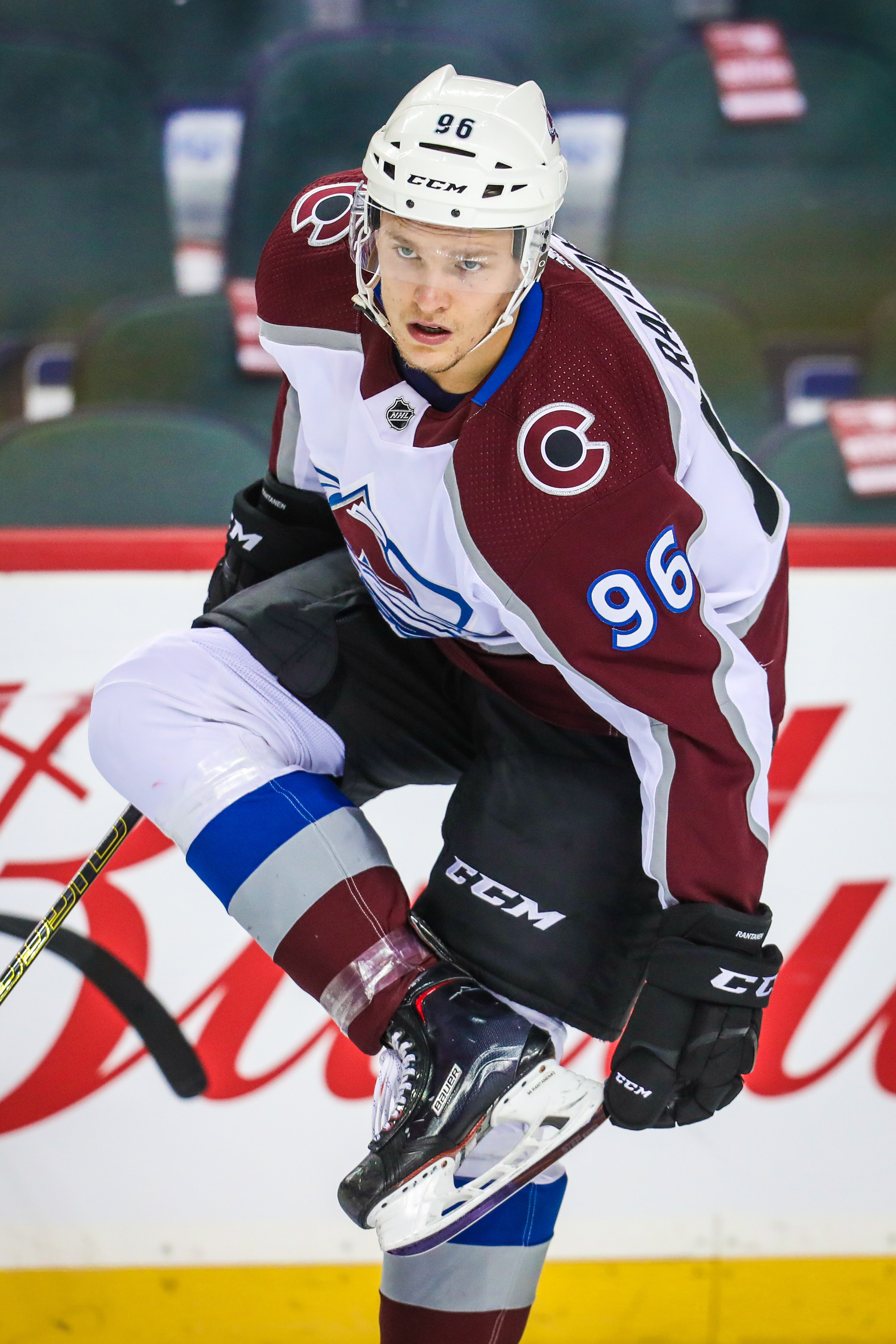 I know it’s out there that he had a roughly $4MM offer in the KHL but even with the difference in tax situations, he’d be leaving a lot of money on the table to play overseas so it’s not really a viable option for him. Even if this takes all the way to the December 1st deadline which would result in a higher cap hit than the AAV for this season, Colorado has the ability to absorb that and still sit comfortably under the cap so there’s minimal risk from that perspective. There’s risk in having a high-end forward missing nearly two months of course and whether or not it goes that far depends on how insistent his side is in terms of trying to get a comparable deal to Mitch Marner. Regardless of when he signs though, the Avs should have more than enough cap room to add someone at the deadline beyond Rantanen so they shouldn’t be interpreting him as their big midseason pickup.
M34: Toronto cap situation.
I’m not really sure how much I’m missing here…
They are well over the 10% off-season grace.
They have at least $13MM over the cap after the Marner signing.
From what I gather, they are going to be cap compliant by the start of the season because of LTIR.
So I guess my question is:
Does the $94+mm current cap hit not justify some type of league punishment by the letter of the law?
I’ve read (not an expert by any means) that there are potential league judgements that can be levied against teams and even players individual stats based on an organizations failure to comply to league statutes, even during the offseason.
Long question needs a long answer, but can you sum it up in layman’s terms?
I don’t know if this really requires too long of an answer but here’s what I believe is happening:
When Marner signed, one of David Clarkson or Nathan Horton was placed on LTIR (and yes, that does exist in the offseason). That got them back under the 10% offseason overage threshold so there’s no league punishment forthcoming for being over that limit; they would have rejected Marner’s contract if it put them over. Once the season starts, the other of Clarkson or Horton will go on LTIR as well as Zach Hyman and Travis Dermott who are both expected to miss a little more than the minimum three weeks. Depending on how they fill out their roster, they should be in compliance to start the season. Things may get a little trickier when they both return but that’s a problem for a month from now. In the meantime, expect to see a few Toronto players making frequent appearances in our Minor Transactions posts throughout the season as they’re shuffled back and forth to save a bit of cap room.
Paul Heyman: What did you think of the Blues trade for Faulk?
I’m not a huge fan of it, to be honest. Yes, Faulk is an upgrade on Joel Edmundson (who I think will do well with Carolina) but parting with Dominik Bokk, a pretty good prospect, seems like a bit much to add. I also don’t love the extension (which is what made it more justifiable to part with Bokk from their perspective). The last couple of years of that deal won’t look pretty and if this winds up pushing Alex Pietrangelo out the door, this could really have some longer-term consequences. If it doesn’t, then they’re paying big money to three right-shot defensemen and there’s some risk with that when it comes to keeping all three happy and in terms of cap management as well. St. Louis is a better team this season as a result of the trade and that’s certainly worth something but the potential long-term ramifications concern me a bit.
acarneglia: What do the final Metro division standings look like?
They’re going to be quite jumbled as there really isn’t a clear-cut top team out there and there are a lot of teams that can be in the mix. I can see the gap between finishing first and missing the playoffs outright only being a few victories which will make it really interesting to follow. Here’s a really quick prediction:
1) Washington – They’re in trouble if injuries strike with minimal depth and cap space but their proven core remains intact.
2) Carolina – I’m still not completely sold on them and I wouldn’t be shocked if they took a step back but they’ve earned the benefit of the doubt and have made some incremental improvements to a young, developing core.
3) Philadelphia – A full season from Carter Hart will help and while Kevin Hayes’ contract is a big one and will be ugly down the road, he’ll certainly help them this season. I expect Ivan Provorov to bounce back as well.
4) Pittsburgh – Like Washington, they’re really vulnerable to injuries with so little cap room and their depth has been thinned out a bit more. They were a bubble team last year and I think they’ll be one again though a full year from Justin Schultz will really help.
5) New Jersey – A now-healthy Cory Schneider will give them a boost, as will a full season from Taylor Hall. They’ve added impact players and their depth is much-improved. It’s not a flawless roster but they’ll be heard from this season.
6) NY Rangers – Their offense is much-improved and Jacob Trouba gives them a legitimate top pairing player. However, they have a lot of young core pieces up front and they probably will develop at different rates which could hurt them a bit this season.
7) NY Islanders – I’m not sold that Semyon Varlamov can replicate Robin Lehner’s performance last season and teams may be better prepared to exploit their defensive structure after seeing it over a full season. Having said that, I don’t think they’ll miss by much.
8) Columbus – They’ll be more competitive than it may seem on the surface but this is a rebuilding year. Their goaltending will be quite intriguing.
CHRISJENJ: As of now which team is better built for the future? Rangers or Devils? Which team will have more success five years from now?
Let’s go at this by position, starting in goal. With Alexandar Georgiev and Igor Shesterkin, the Rangers have a couple of young goalies that they hope have number one potential. The Devils feel the same way about Mackenzie Blackwood while Gilles Senn had a nice run with Davos but I’m not sure he’s at the level of the others. I’ll take New York’s options here.
On defense, New Jersey has a nice prospect in Ty Smith and I think Reilly Walsh has some NHL upside while it wouldn’t be shocking to see at least one of Will Butcher or Damon Severson signed to another deal by then. New York has Jacob Trouba and Brady Skjei signed for at least five years plus a few youngsters headlined by Adam Fox and K’Andre Miller, among others. I think the Devils will have a different-looking back end by then which makes this tough to forecast five years down the road but with what each team has now, I’d go with the Rangers again.
Up front, Jack Hughes and Nico Hischier down the middle should be an enviable one-two punch. Michael McLeod and Jesper Boqvist should be good players as well. They don’t have many other NHL players that are under team control at that time though so there’s likely to be a bit of turnover. Meanwhile, the Rangers have Artemi Panarin signed long-term plus Kaapo Kakko, Vitali Kravtsov, Filip Chytil, Lias Andersson, and Brett Howden all under team control through then. There are more known commodities on the Rangers but that one-two center punch could be among the top ones in the league so I’d lean towards the Devils here even though there aren’t many other players to really assess.
Overall, both teams are on an upward path but for five years down the road, I’d pick the Rangers as the better-positioned of the two but a whole lot can change between now and then.
@wakeMC: What are the chances Cody Glass is in Vegas opening line up to start the season and also remain there the whole year?
Fundamentally speaking, I’m not a fan of having a top forward prospect (especially a center) playing in a bottom-six NHL role and that’s where he’d be in Vegas. Yes, fourth lines play more than usual so it’s not as if he’d be playing six minutes a night but if they view him as their number one of the future, he needs to get some time in offensive situations as well and that would come by spending time with AHL Chicago.
I think there’s a decent chance he cracks the opening night lineup given how he has performed in training camp but eventually, they’ll see that he’d be better off playing upwards of 20 minutes a night in all situations in the minors. He’ll probably also be papered to and from the minors a bit while up with the Golden Knights to save a bit of cap room. Glass will see some NHL action this season but I’d be surprised if he spent the whole year with them.
Photo courtesy of USA Today Sports Images.
Submit Your Questions For The #PHRMailbag
The 2019-20 NHL regular season is just over a week away and there are still several top restricted free agents unsigned. Even without those players in camp however, teams are completing their final preparations for what should be an extremely exciting year. Teams like the New York Rangers and Arizona Coyotes have big aspirations as they try to get back to the playoffs, while perennial contenders like the Boston Bruins and Nashville Predators will try to overcome that final hurdle.
With that in mind, it’s time to run another edition of our mailbag. You can submit your query by using #PHRMailbag on Twitter or by leaving a comment down below. Make sure you get your questions in early and we’ll try to get through as many as possible when the mailbag runs on the weekend.
If you missed our last edition it was split into two parts you can read here and here. In the first part, Brian tackled questions regarding salary cap projections, the Washington Capitals pending free agents and of course touched on the RFA situations. In the second, he speculated on where he thought Jesse Puljujarvi would fit and gave some predictions on potential surprise playoff teams.
PHR Mailbag: Puljujarvi, Rangers, Backes, Bounce-Back Players, Expansion
Topics in this edition of the mailbag include RFA winger Jesse Puljujarvi, the Rangers’ backup goalie situation, David Backes’ big contract, players that could be on the rebound and decline, and how Seattle’s 2021 debut could affect activity around the league this season.
acarneglia: Are the Rangers a potential match for Puljujarvi?
met man: How do you think the Ranger goalie situation will play out? Which Russian will be Lundqvist’s’ partner? What happens to the odd man out?
As far as possible fits for Puljujarvi go, the Rangers would be one of the better ones. With a pretty young group of forwards, they’re the type of team where he could potentially fit in on a second or third line and have some success. Unfortunately for New York, they’re not a realistic landing spot.
With minimal cap space to work with and Brendan Lemieux and Anthony DeAngelo needing new contracts, the Rangers simply aren’t in a spot where they can realistically afford to add salary. It’s not that Puljujarvi would be commanding a pricey deal but he’ll want more than his qualifying offer and that might be too rich for what they can afford on the cap unless they offset some money elsewhere. Yes, Edmonton wants a top-nine forward for him but the only viable option would be Jesper Fast and that’s probably not going to get it done.
I actually think Puljujarvi’s trade odds have gone down. Going back to Finland is a good thing for his development. He’ll be out of the spotlight and can work on some of the elements that are lacking. A good season there will help his trade value and GM Ken Holland knows it. They’re not going to get much of a return now if they trade him so they might as well wait it out unless someone gets desperate. The Rangers won’t be that team.
As for the backup goalie situation, both Alexandar Georgiev and Igor Shesterkin are waiver-exempt which is actually a good thing here. I see the pair spending some time at both levels as a result. That way, they get a bit of time in the NHL but also see a fair bit of action in AHL Hartford. A young NHL backup is rarely an ideal situation from a development perspective so with two youngsters in the discussion, this is the best compromise they can make.
azcm2511: How does Boston get out from under the Backes contract? Taking into account his movement control, do you think it would be possible for Sweeney to find a buyer who will take on the entire contract if he was to package him with Torey Krug? I don’t see how they will manage to fit Krug into the budget if he is projected to be a 7-9 mil a year player after this season. The B’s have McAvoy and potentially Gryz to fill the PP void, do you see any potential matches for this scenario?
While I doubt they’d be willing to part with Krug to get out of Backes’ deal, I applaud you for thinking outside the box. I know contract talks haven’t really started with the pending UFA defender but there’s still plenty of time. They’re a team in win-now mode so parting with a top offensive weapon from the back end is counter-productive even if freeing up the money helps them re-sign Charlie McAvoy and Brandon Carlo. I agree that his price tag may very well be too high to be a long-term fit but the internal discussion about trading him for that reason would come at the trade deadline and be based on where they are in the standings.
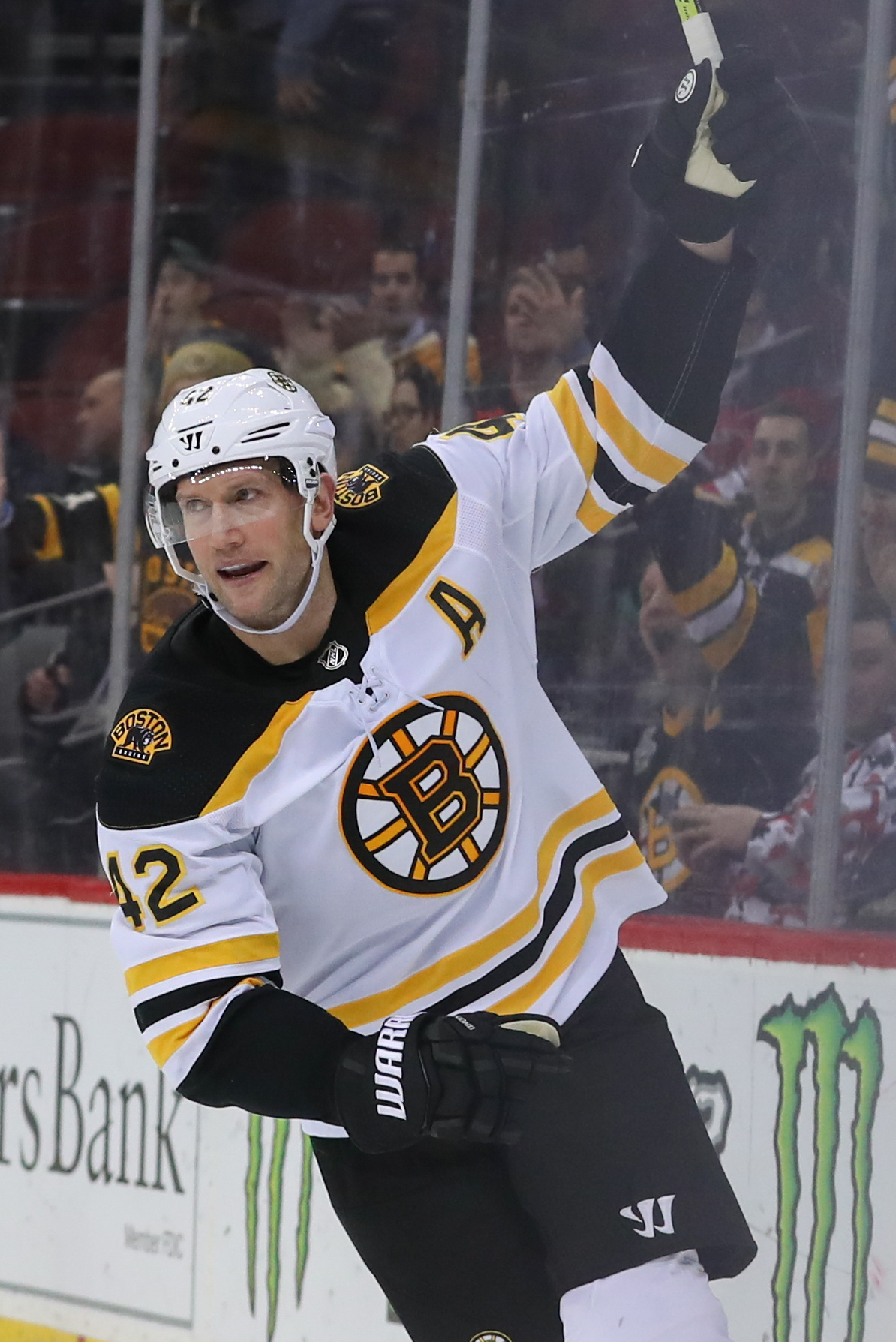 As for what they’ll do with Backes, he doesn’t have a no-move clause so they’d save a little bit by sending him down. If they replaced him with a minimum-salaried player, that’d free up an extra $375K in cap room. That’s not a lot but if that money isn’t spent over the course of the season, that’s worth a small addition at the trade deadline. I wonder if there’s a move to be made with 50% retention and a sweetener; their system is deep enough that it could part with a prospect or pick to do so without it hurting too badly. And if all else fails, they can try to find a doctor to certify him as injured and try to go the LTIR route. His style of play has made him susceptible to being injury-prone at this point of his career. It probably wouldn’t be a season-ender like some other players but it’d buy them some time and allow them to get into compliance to start the season and re-sign Carlo and McAvoy.
pawtucket: Which teams will surprise everyone and make or contend for a playoff spot and which teams will disappoint and shock us all?
pitmanrich: Which players do you see having a bounce-back season after a poor 18-19 season and which players are just in decline and will continue to get worse?
I made my picks for surprise teams a couple of mailbags ago and not much has changed since then. I think New Jersey could make some noise with some of their additions, the return to health from Taylor Hall, and a healthy season from Cory Schneider. On the flip side, Pittsburgh has taken a small step back on paper and they weren’t at their best last season so I could see them slipping out of the playoffs this time around.
In terms of bounce-back candidates, William Nylander in Toronto is a good place to start. He never looked right after missing the first two months of the year due to a contract holdout. I suspect this will almost feel like a fresh start for him (even though he didn’t change teams) and get back closer to his 60-point form. Arizona is clearly banking on a bounce back from Clayton Keller with the extension that he just got and playing alongside Phil Kessel should certainly help in that regard. Assuming Nikolaj Ehlers stays healthy, he should be in line for a big jump offensively as well.
I’m always hesitant to predict players on the downswing but I’m not sold that a coaching and system change in Anaheim will revive Ryan Getzlaf’s offense. He has a lot of heavy minutes under his belt and at some point, he’ll have to be scaled back a bit which won’t help his point total. The speed of the NHL concerns me when it comes to Ilya Kovalchuk and I’m not sure a new coach will vastly turn his game around. I’m also uncertain that Wayne Simmonds will turn things around considerably. I don’t mind his addition on a one-year deal but his rugged style of play screams potential decline. He should outperform his play with Nashville (three points in 19 games between the end of the season and playoffs) but I don’t expect him to get back to the level that he was at a couple of years ago with Philadelphia.
CarmanDyer9: What impact will the upcoming expansion draft have on this season? What potential moves could you see teams making to compensate for the expansion draft?
I feel a little bad for Seattle GM Ron Francis. Quite a few of the side deals that teams made to protect a certain player worked out quite well for Vegas and not so well for the other team. That’s going to make teams a little less willing to start moving things around and will just bite the bullet when the time comes and they lose a player.
I think we’re a year away from the 2021 expansion draft really having an impact on movement around the league. While teams are certainly planning ahead, it’s hard to see some thinking about moving their fourth defenseman now in fear that they’ll lose him to Seattle. Rosters will change considerably between now and then; who knows what the 2020 UFA market will bring?
Once we get to 2020-21 and things start to look a little clearer on the roster side, then we’ll start to see some effects. Teams may hesitate on UFA extension talks and a swap or two could be made with that in mind. A team that’s out of it midseason could try to take advantage of someone’s expansion situation in a rental player trade. But that’s still a year away. For 2019-20, don’t expect the expansion draft to really have too much of an impact on player movement around the league.
Photo courtesy of USA Today Sports Images.
PHR Mailbag: RFAs, Cap Projections, Capitals, Wild, Pettersson
Topics in this edition of the PHR Mailbag include the slow-moving RFA market, future salary cap projections, Washington’s key pending unrestricted free agents, Minnesota’s top-paid veterans, and Marcus Pettersson’s situation in Pittsburgh. If your question doesn’t appear here, watch for it in next week’s edition.
random comment guy: Why haven’t other teams made offers to the remaining RFAs? I understand there are draft picks connected to them but this standoff looks like it will playing into the season.
Just because no other offer sheets have been signed beyond Montreal’s attempt for Sebastian Aho doesn’t mean that there haven’t been other attempts. There were reports at the beginning of July that the Canadiens wanted to explore an offer sheet for Tampa Bay’s Brayden Point but were rebuffed. Teams can try to poach an RFA all they want but the player still has to agree to a deal. Lots of times, the player doesn’t want to.
Draft pick compensation certainly has to play a role as well. At the rate that Montreal’s offer sheet for Aho was, teams are going to match on any of the forwards. They’d probably match at the next tier as well (two first-rounders plus a second and a third) without much hesitancy. So what’s the point of trying? That was the common response to the Aho offer sheet. Now we’re talking four first-round picks to get the player plus having to sign them to what would be an above-market deal. That’s a lot to give up no matter how talented the player is.
If I’m a team that wants to submit an offer sheet, I’m taking a look at the Rangers right now. They don’t appear to be willing to move off their one-year qualifying offers for Brendan Lemieux and Anthony DeAngelo as that’s basically all they can afford. Both players have some upside still and an offer at the top of the third-round pick range (just over $2.1MM) could give them some pause with their cap situation. If a team wanted to go into the next tier, there’s a good chance they could get the player.
With the current thresholds, the bottom of the market is where the best potential for a realistic offer sheet is. As for the top players, there’s a very good chance that several of these will drag into the season although I expect to see a few deals get done over the next couple of weeks.
M34: Multi-part question:
What is your best guess at the new cap number when the TV deal kicks in, and when is that supposed to happen?
When that happens, what tier of players benefit most; the star players, the middle six type guy’s, or do teams start using more money to add better quality depth guy’s? Or do you think it’s somewhat even across the board?
I don’t share the same enthusiasm as some when it comes to a big boost in the cap when the new US TV deal gets done. There’s demand for live content but with a lot of bloated contracts on the books for other sports, it’s not going to be a bidding war. Networks will be a little thriftier. Could they double the current $200MM per year revenue? Sure, that’s possible. But that’s only roughly a $3MM increase to the cap (half of the increase divided by 32 teams). I’d have a hard time thinking the league will get a lot more than that though as the ratings just aren’t that strong. The new contract (or contracts if they split it between more than one network) isn’t going to be shattering any benchmarks like the deal in Canada did.
Let’s say they do slightly better than double it. That would amount to a $3.5MM to $4MM increase in the cap. Assuming there’s a bit of growth in revenues as well, that could push an increase to $5MM. At that level, the NHLPA would probably hold off on exercising its inflator to help claw back escrow payments. A $5MM jump isn’t that significant in the grand scheme of things; it’s happened several times before already.
As for who benefits, there could be a small boost for the mid-tier players depending on who is still unsigned at that point. Teams will pay up for whoever’s out there and if it’s middle-six players, then that group will get a nice bonus for a year. However, the long-term eventuality is that the top players will be the main benefactors, just as they have been lately. The second line winger isn’t getting much more now than they were a few years ago in free agency but salaries for top liners have gone up quicker. That trend should continue after the TV deal is signed.
CapsFan34: Do Nicklas Backstrom or Braden Holtby get signed or do they hit the free agent market and what do you think their contracts would look like? Seems to me that the comparable for Backy is the Joe Thornton deal while Holtby is looking at a Bobrovsky style deal.
One thing is for sure – the Capitals can’t afford both of them. They already have over $62MM in commitments for 2020-21 so new deals for them would push them over $80MM with several roster spots to be filled. I expect that Backstrom will ultimately stick around while Holtby moves on.
 As for what the contracts would look like, let’s start with Backstrom. He’s a pretty safe bet to reach the 70-point mark having got there for six straight seasons since the lockout-shortened campaign (where he averaged a point per game). He’s a reliable defensive player and isn’t a liability at the faceoff dot. He’ll also be 32 next summer so while a max-term contract is off the table, a five or six-year deal is possible if not probable. (That takes Thornton off the table as a comparable as has always gone with shorter-term pacts.) His current AAV is $6.7MM and he should beat that given the relative scarcity of impact centers that are slated to become UFAs. I wouldn’t expect it go higher than $8MM though on a long-term pact as there will inevitably be some front-loading in place with one or two of those years being tacked on to try to lower the AAV.
Holtby’s comparable is a little more direct in Sergei Bobrovsky’s seven-year, $70MM pact as you suggested. The two have had numbers that are pretty close and like Bobrovsky, Holtby will be the undisputed top netminder available a year from now. If the Capitals believe that Ilya Samsonov is their goalie of the future, it wouldn’t be wise to even entertain the idea of signing Holtby for that long. Add or subtract a few hundred thousand to Bobrovsky’s $10MM AAV and that’s why Holtby’s next deal should look like with a new team.
jb10000lakes: With the Wild kind of stuck in no man’s land, will Parise (or Suter) agree to be traded to a contender; and if so, how much salary will the Wild need to eat? On a side note, is there any chance Zuccarello hasn’t signed that contract yet?
I touched on a similar question a few months ago in a previous mailbag so I won’t go into too much detail here. If new GM Bill Guerin wanted to trade Ryan Suter, he could do so easily without needing to retain salary and get good value back. Yes, the last couple of years could be rough but he’s still a legitimate top-pairing defenseman and those don’t come available very often. The acquiring team would only have to have him for three years before the potential for salary cap recapture was basically mitigated as well and he easily has three years left (and then the really low salary years begin). As for Parise, his injury history makes him a tougher sell even if he wanted to be moved. I don’t think there’s a point where it would be justifiable to move him – they’d either have to retain so much of his contract (and the higher risk for cap recapture given the front-loaded contract) or take so little in return that they’d be better off just keeping him.
When it comes to Mats Zuccarello, I don’t quite get the negativity on his contract. Is it too much term? Sure, but the same can be said for most UFA deals. $6MM for a 50-point winger isn’t a bargain but it’s not a drastic overpayment either. I know the contract goes against the grain for a team that probably needs to rebuild but they should be able to get out of it via trade (assuming Zuccarello was to waive his no-move clause) without too much concern.
Rayno15: Are you surprised the Pens haven’t made a move to make room to get Pettersson back here? How do you see them making it happen?
Teams only have to be cap-compliant at the start of the season which is still more than a month away so no, I’m not surprised a trade hasn’t happened. I expect to see a fair bit of movement over the next few weeks as some of the RFAs start to sign and in doing so, some of the remaining UFAs will as well. That will give teams more certainty as to what they can or can’t do on the trade market and open up the windows for teams like Pittsburgh to make their required cap cuts.
Plan A would be to trade a veteran player like Bryan Rust, Erik Gudbranson, Jack Johnson, or even Nick Bjugstad who didn’t fit in all that great after being acquired. Even if they had to take a player back to offset some of the money, that would free up enough room to re-sign Pettersson and even potentially leave a big of wiggle room for in-season moves. That will take a bit of time to do depending on the rest of the market.
Plan B may be to just get creative with the waiver wire. Chad Ruhwedel and Zach Trotman are capable depth options but both should clear waivers (or if they didn’t, they wouldn’t be big losses). There’s $1.4MM right there. Johnson would clear waivers because of his contract which would free up another $1.075MM in cap room. It might take waiting until the season to start with this approach but they’d have enough space to re-sign Pettersson at that point and then they could shuffle the veterans back and forth between the minors to bank a bit of cap space in the early going of the season and take full advantage of having their AHL team nearby. It’d be a tough pill to swallow for Johnson but it might just work.
Photo courtesy of USA Today Sports Images.