
Free Agent Focus: Vegas Golden Knights
With free agency now less than a month away, many teams are already looking ahead to when it opens up. There will be several prominent players set to hit the open market while many teams have key restricted free agents to re-sign. Vegas has most of their core under contract already but a few veterans will be in need of new deals.
Key Restricted Free Agents
F Chandler Stephenson – He was acquired midseason in what amounted to a salary cap dump by Washington and the fit has been terrific. The 26-year-old wound up with 22 points in 41 games with the Golden Knights, an impressive partial-season performance considering his previous career high in scoring was 16 points. He has been a regular for them this postseason as well, averaging nearly 16 minutes per night. Stephenson looked like someone that might be a candidate to not be tendered a qualifying offer at the beginning of the year despite his $1.05MM price tag but now, he should be part of their future plans although salary arbitration eligibility looms large.
F Nick Cousins – He started off the season with Montreal after being non-tendered by the Coyotes last summer and was used from anywhere between the second and fourth lines. However, his role has been a bit more limited since joining the Golden Knights where he has largely been deployed in their bottom six and is currently on the outside looking in at a spot in the lineup. A $1MM qualifying offer doesn’t seem like much but he was non-tendered to avoid arbitration last year and it’s possible that it happens again here.
Other RFAs: F Reid Duke, F Keegan Kolesar, D Brett Lernout, F Gage Quinney, D Jimmy Schuldt
Key Unrestricted Free Agents
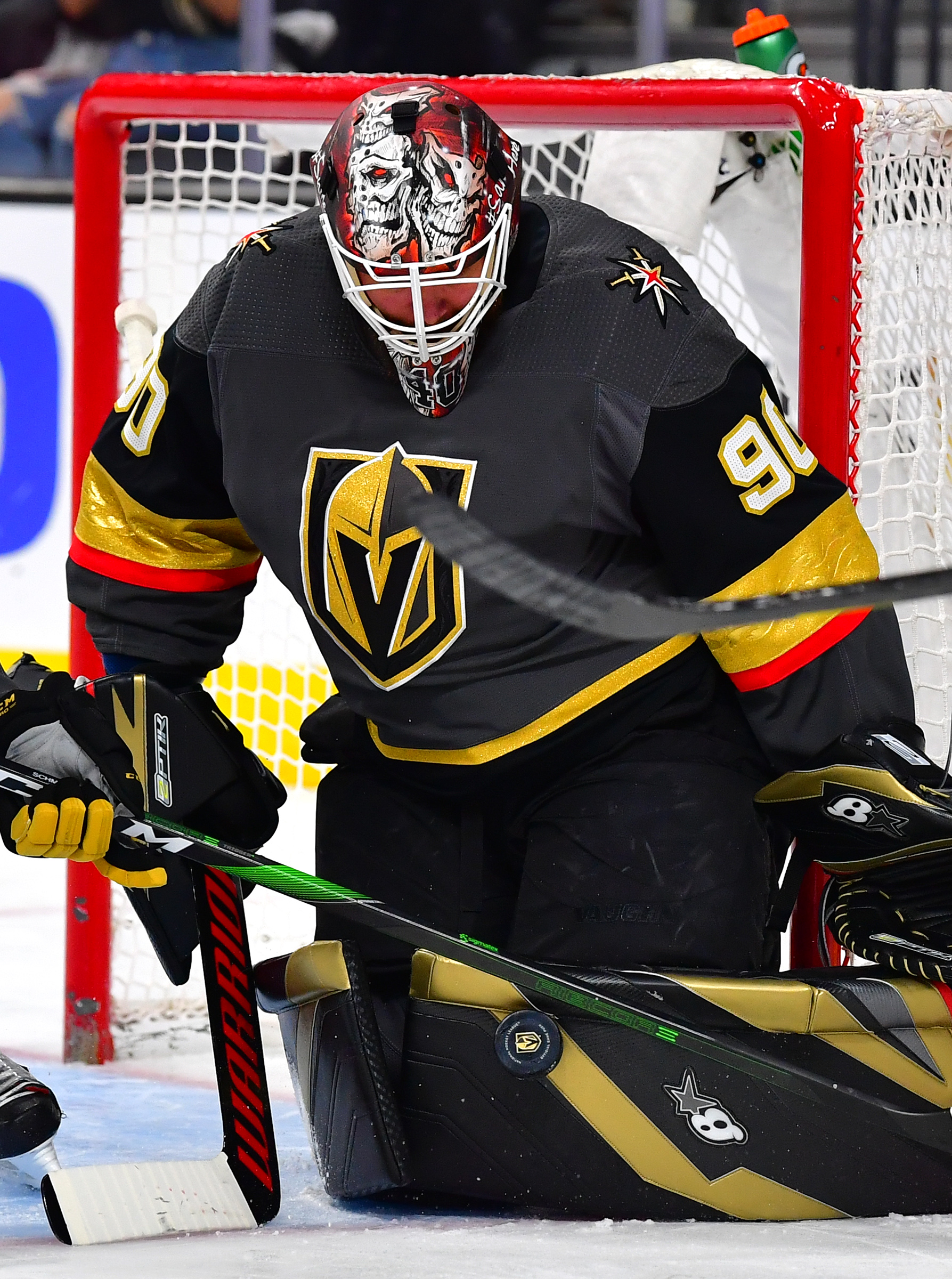 G Robin Lehner – This appears to be a situation where ‘if there’s smoke, there’s probably fire’ when it comes to a new deal. Multiple reports have him closing in on a long-term pact with Vegas with a price tag around his current $5MM mark but he has denied that a contract is done. Lehner wasn’t able to get a long-term contract last summer despite his strong season with the Islanders but he played well with Chicago before being brought in as insurance for Marc-Andre Fleury. However, he has outperformed Fleury and taken over the starting job in the process. That has him well-positioned to earn the contract security he has been coveting, whether it’s in Vegas or elsewhere.
F Tomas Nosek – He isn’t going to win any scoring titles but the 28-year-old has been consistent over his three seasons with Vegas, collecting 15, 17, and 15 points over that span while playing multiple positions and contributing defensively. He’s best deployed in a limited role which offsets some of his versatility but he should be able to garner some interest on the open market if he doesn’t stay with Vegas. He made $1MM this season and his next contract should come in around that rate as well.
D Deryk Engelland – While his role this season was lower than his other two, the 38-year-old still managed to hold his own in 47 games while bringing plenty of physicality. However, it wasn’t enough to play a regular role in the playoffs as he has suited up just seven times so far. Nevertheless, there is still a spot for Engelland as a sixth or seventh defenseman on a team if he wants to play beyond this year. He signed for a league minimum base salary to stay with Vegas last summer (though he has hit the majority of his $800K in potential bonuses) and he’ll need to do so again if he wants to remain with them for a fourth year.
Other UFAs: W Curtis McKenzie, D Jaycob Megna, D Jon Merrill, G Garret Sparks, F Valentin Zykov
Projected Cap Space
At the moment, Vegas has roughly $76.5MM committed to 18 players for next season, per CapFriendly. That amount doesn’t include a $571K bonus overage penalty which could actually increase slightly as one of Engelland’s bonuses is $25K per playoff round won. That doesn’t leave them room to re-sign Lehner and fill out the rest of their roster so there is some work to be done still.
Speculatively speaking, if Lehner re-signs, Marc-Andre Fleury’s days with the team will likely be numbered. However, with a $7MM cap hit for two more years, it’s all but a guarantee that Vegas will have to retain a good chunk of that to move him. However, if they can do that without taking a contract in return, it might be enough to keep Lehner around and round out the roster although they’ll be right at the $81.5MM Upper Limit once again.
Photo courtesy of USA Today Sports Images.
Offseason Keys: Arizona Coyotes
As teams are eliminated from the playoffs, it means that the offseason has arrived for several more squads. Having covered the teams that weren’t a part of the NHL’s return and the ones ousted in the Qualifying Round, we shift our focus to the ones that were eliminated in the official first round. Next up is a look at Arizona.
On the ice, 2019-20 was a decent one for the Coyotes. They got past Nashville in the Qualifying Round before being ousted by Colorado but it was still their first playoff appearance since 2011-12. They have a solid defense corps and two good goalies and several foundational pieces under contract. But things aren’t exactly looking up. Their GM resigned, they were stripped of two high draft picks, and as a small-market team, the pandemic could hit them harder than most; Katie Strang of The Athletic reported (Twitter link) last week that they were late on some signing bonus payments although that has since been resolved. As a result, there’s a lot to do on their to-do list over the coming months and plenty of questions along the way.
Hire New GM
First things first. Before making important decisions on what to do with their roster, the Coyotes need to decide who is making the decisions. Following the strange and very public resignation of John Chayka, assistant GM Steve Sullivan has taken on the interim role for the time being and will certainly garner consideration to take on the role on a full-time basis.
A handful of names have been linked to Arizona in their search so far including Pittsburgh assistant GM Jason Karmanos, Canadiens scout Sean Burke, and broadcaster Pierre McGuire though the latter has since been ruled out of contention. The one thing that stands out right away is a lack of GM experience which suggests they’re looking for a first-time option that likely will come a little cheaper than some of the more prominent veteran options and at a time where revenues are minimal at best, that’s not a small thing either.
One thing they’ll have to decide on is what type of GM they want. Chayka was a strong proponent of significant use of analytics and that has yielded some mixed results along the way. Do they continue in that direction or look for someone with a different mindset?
With the draft and free agency both less than a month away now, this isn’t a decision that can realistically be put off for much longer. While it’s possible that Sullivan could guide them through those two events while still retaining the interim tag which would save some money in the short term, that would take away an opportunity if someone other than Sullivan gets the job to remake the team. Accordingly, this is something that should be addressed in the near future.
Re-Sign Hall
I’m not sure how realistic this is but it simply can’t go without mentioning that re-signing the top free agent forward that’s set to hit the open market next month would be a huge boost for Arizona’s offseason. The Coyotes surprised many by adding the 2018 Hart Trophy winner in a midseason trade from New Jersey and while his numbers don’t jump off the chart, he was an important player for them in the second half of the season and in the playoffs and retaining him would give their forward group a big lift.
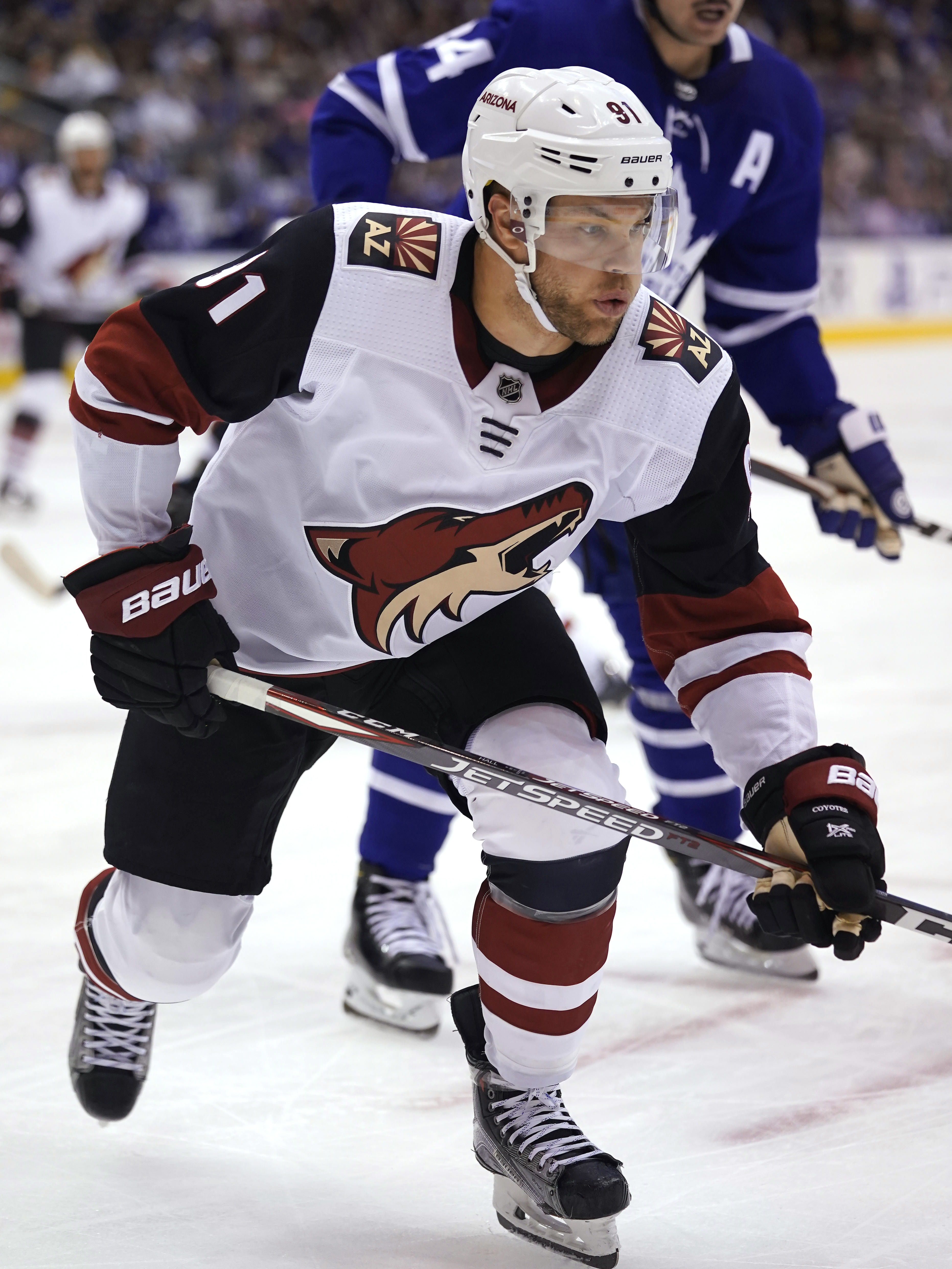 However, how much is that going to cost? Two years ago, it seemed like Hall was well on his way to an eight-figure AAV. While unprecedented (at the time) for a winger, he looked to have turned the corner with New Jersey. Things haven’t gone as well since then. In fact, thanks to injuries last season and the pandemic this year, his combined point total over that span is actually lower than his Hart-winning campaign. Between that and revenues bottoming out, it’s safe to take the $10MM-plus price tag off the table.
But it’s also safe to say that he’s going to get a raise on the $6MM he made on his most recent deal and certainly more than the $3MM that Arizona was responsible for with the Devils retaining half of his salary and cap hit as part of the trade. That’s going to be difficult for them to accomplish (more on that shortly).
On top of the financial challenge, Hall has also stated that going to a winning team will be a priority for him. For all of the talent he has, he has been in the playoffs twice in his 10-year career and had it not been for the expanded format due to the pandemic, he wouldn’t have made it this year. Convincing Hall that the Coyotes will be a contender for years to come with him will be a challenge, especially without the ability to spend top dollar and, for now at least, no GM in place. Getting Hall locked up would be a huge boon to their offseason if they could pull it off but they have their work cut out for them.
Free Up Cap Space
Let’s talk about that cap situation in more detail. Hall coming off the books only frees up $3MM which isn’t much to work with. Carl Soderberg’s $4.75MM AAV is also off the books as is Brad Richardson’s $1.25MM but adding those three up might be what it takes to re-sign Hall let alone having to fill Soderberg and Richardson’s roster spots.
On top of that, the Coyotes also have new contracts for two key players starting next season. Starting goalie Darcy Kuemper gets a raise from $1.85MM to $4.5MM while Clayton Keller bypassing a bridge contract means he goes from his entry-level salary of less than $900K to $7.15MM. On top of that, he hit some performance bonuses which has left them with an overage of nearly $400K to roll over to 2020-21, per CapFriendly. (That can be amortized over two years but it wouldn’t make much of a difference considering the relatively low amount.)
All told, Arizona has a little over $80MM in commitments for next season already, excluding the bonus penalty. Granted, that includes Marian Hossa and his $5.275MM AAV which will once again be LTIR-bound but that still doesn’t give them much room to work with. Forget about re-signing Hall for a moment, they probably need to free up room simply to fill out the rest of their roster.
Speculatively speaking, this could be an opportunity to deal one of their defensemen. Oliver Ekman-Larsson’s ($8.25MM) name has come up in speculation already but moving their captain would open up a big hole on their back end. Alternatively, they could look to move one of Alex Goligoski ($5.475MM) or Niklas Hjalmarsson ($5MM); while both are pricey, they have one year left on their contracts and it’s a weak free agent market. Up front, Michael Grabner is a big threat shorthanded but he was a healthy scratch at times and his $3.35MM price tag is a bit expensive for that. Backup goalie Antti Raanta ($4.25MM) also looks expendable.
If they can find a team that is willing to take on some salary, Arizona should be looking for draft picks in return. They dealt their 2020 first-rounder for Hall and lost their 2021 first-rounder and 2020 second-round pick for fitness testing violations. Between those and other moves, they have one pick total out of the first three rounds over the next two years. On top of that, they dealt their 2017 first-round pick in blueline prospect Pierre-Oliver Joseph to Pittsburgh as part of the Phil Kessel trade. The cupboards are getting bare and finding a way to restock those while freeing up some cap space will be important.
Photo courtesy of USA Today Sports Images.
Free Agent Focus: Boston Bruins
While the official start date of free agency remains in flux depending on when the playoffs end (the later of October 9th or a week after the completion of the Stanley Cup Final), many teams are already looking ahead to when it opens up. There will be several prominent players set to hit the open market while many teams have key restricted free agents to re-sign. Boston’s core is aging but the Bruins were still the best team in the regular season and will be looking to return as Stanley Cup contenders.
Key Restricted Free Agents
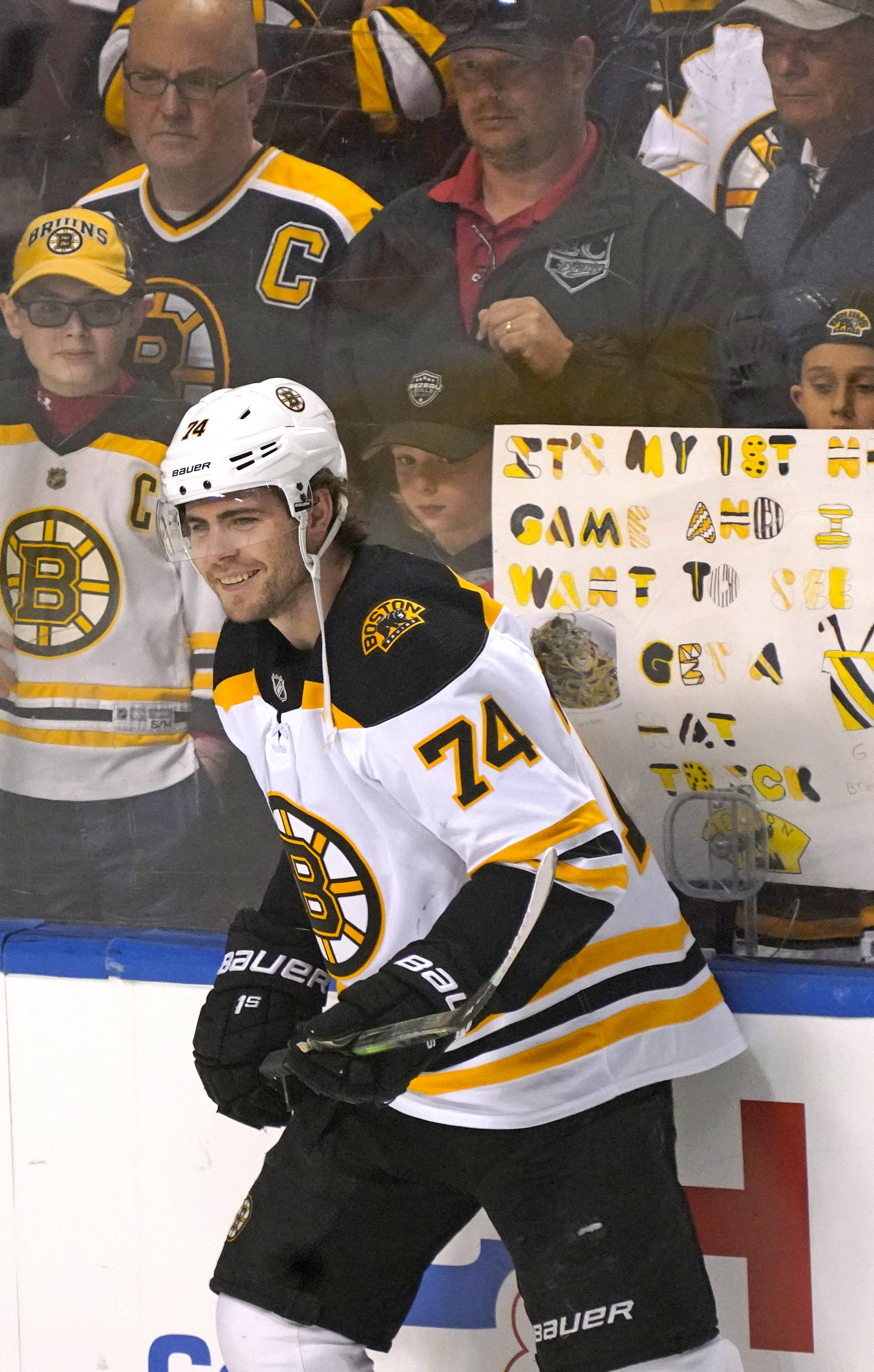 F Jake DeBrusk – Which DeBrusk are the Bruins signing this offseason? The 27-goal sophomore star that was the team’s most important weapon behind the top line in 2018-19, or the 19-goal depth scorer who put up only 35 points in 2019-20? It looked for a while like DeBrusk was heading towards a huge payday on his second contract, but after more than 200 games in the NHL it’s still not exactly clear what the Bruins have. There’s no doubt he’s an important part of the roster but he was included in a group of names that GM Don Sweeney “has to listen” on in Fluto Shinzawa’s latest for The Athletic. Though Shinzawa ultimately lists the likelihood of a DeBrusk trade as low, his pending free agency and the Bruins cap situation still keeps it a possibility.
D Matt Grzelcyk – There are few defensemen in the NHL that are playing fewer minutes than they deserve. Usually, because of the lack of quality options, blueliners are skated to their last breath, ridden until the wheels fall off. In Grzelcyk, the Bruins appear to have one of the rare defensemen ready to take on more responsibility. The 26-year-old averaged just over 18 minutes a night this season but could be in for a huge increase, especially with the man-advantage. Grzelcyk is an in-house replacement for Torey Krug, who will be featured below, and could be a bargain given he’ll be negotiating this summer on three relatively unproductive NHL seasons. In 197 games Grzelcyk has managed to score just 54 points, a number that could nearly double if given the reins to PP1 in 2020-21 (although, Charlie McAvoy may have something to say about that assignment).
Other RFAs: F Brett Ritchie, F Zachary Senyshyn, F Karson Kuhlman, F Brendan Gaunce, F Peter Cehlarik, D Jakub Zboril, D Wiley Sherman
Key Unrestricted Free Agents
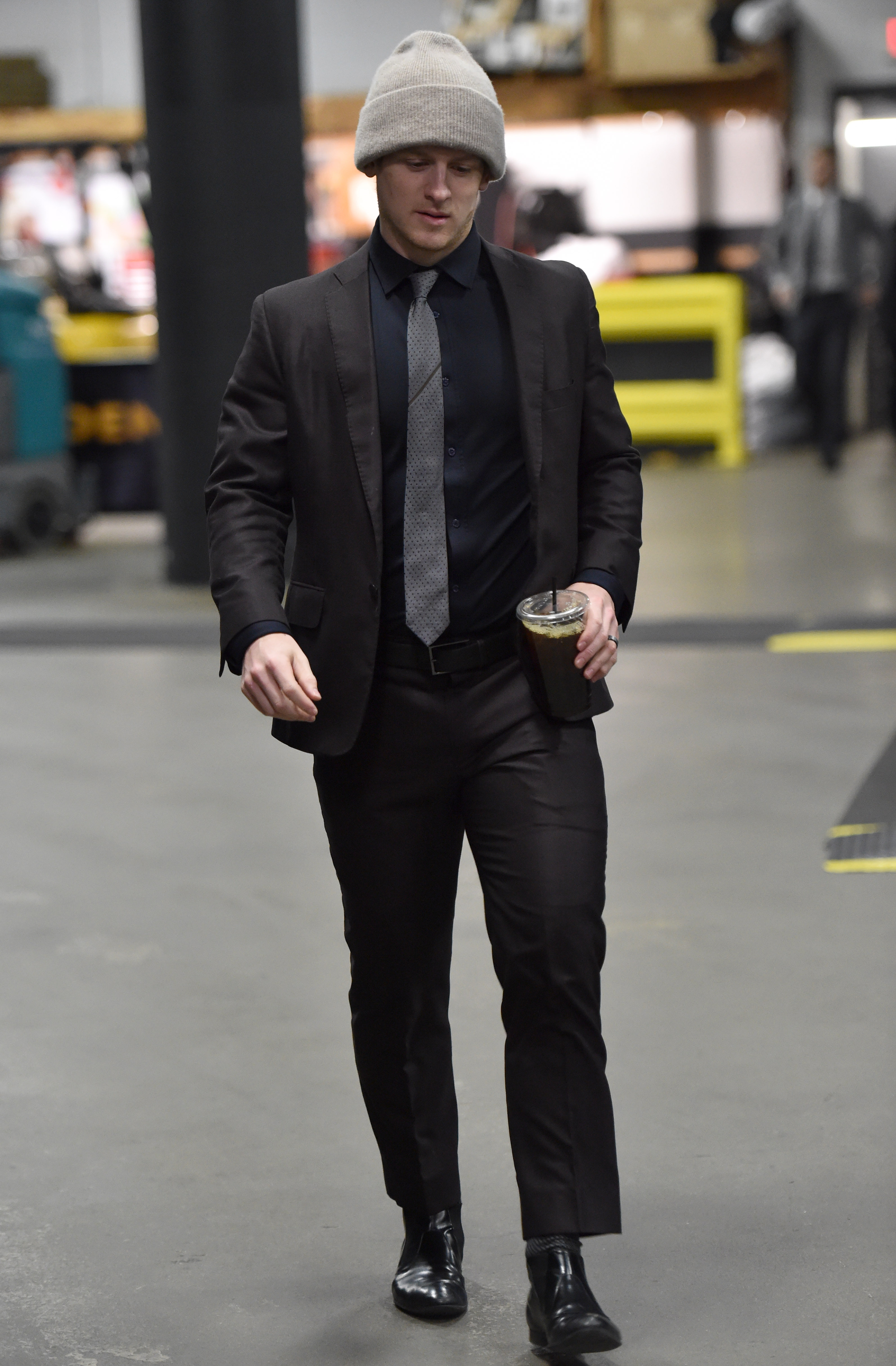 D Zdeno Chara – There isn’t much to say about the 43-year-old Bruins captain. Chara wants to return and is willing to work with the team on a salary that fits their financial situation. Even if he’s not the perennial Norris Trophy contender he was in his prime, Chara is still a useful option for the Bruins and was their leading penalty killer in 2019-20. An irreplaceable leader on the blueline, he’ll likely be back on another one-year deal.
D Torey Krug – Krug is where the real focus will be, given how well he has played for the team and his status as one of the best free agents on the market. Over the last five seasons, only five defensemen have scored more points than Krug. Three of them are up for the Norris this season and the other two are Brent Burns and Erik Karlsson. The 2020-21 cap hits of those five names: $11.5MM, $9.06MM $8MM, $8MM, $7.875MM. You can bet that Krug’s representatives will bring those names up in the negotiations, though given Sweeney’s comments today the two sides may still be far apart.
Other UFAs: F Joakim Nordstrom, D Kevan Miller, F Ryan Fitzgerald, D Alexander Petrovic, G Maxime Lagace
Projected Cap Space
The Bruins actually have some money to spend this offseason, with just $66MM committed to the 2020-21 season, but will have to tread very carefully with long-term deals. That’s because even bigger negotiations are right around the corner with McAvoy and fellow defensive rock Brandon Carlo, while a decision will have to be made in net at some point. Both Tuukka Rask and Jaroslav Halak are scheduled to become unrestricted free agents in 2021.
David Pastrnak also has just three years remaining on his below-market contract, though by the time he’s up the team will have said goodbye to some of their more troublesome deals. Still, it’s not like the team can go out and splash seven-year deals across the headlines with the league’s top free agents unless they’re willing to say goodbye in other areas.
Photos courtesy of USA Today Sports Images
Offseason Keys: Washington Capitals
As teams are eliminated from the playoffs, it means that the offseason has arrived for several more squads. Having covered the teams that weren’t a part of the NHL’s return and the ones ousted in the Qualifying Round, we shift our focus to the ones that were eliminated in the official first round. Next up is a look at Washington.
During the regular season, things were looking up for Washington. They were sitting in first place when the pandemic hit and it looked as if they’d be a team that could have some staying power in the playoffs. That didn’t happen. Instead, they were ousted by the Islanders in the first round and one big change has already happened with Todd Reirden being let go as head coach (he has since rejoined Pittsburgh as an assistant). Now, with a flattened salary cap, GM Brian MacLellan is going to have some tough decisions to make for next season which highlight their keys over the next few months.
Find A New Coach
Let’s get the obvious out of the way first. With Reirden out behind the bench, Washington needs to hire a new head coach. Perhaps more importantly at this stage though, they have to decide what type of coach they’re looking for. With Barry Trotz, they had someone who emphasized structure and when he left to go to the Islanders (who eliminated them), Reirden was promoted from his staff for some continuity. Do they look for another coach like Trotz or would they be better off with a more free-flowing style?
Firepower is not a concern for the Capitals. They have plenty of it even after losing some players to cap constraints in recent years. But despite finishing second in the league in scoring, they were led by a defenseman in points and John Carlson was the only one to average better than a point per game. If they were to open up more offensively, they’d be an even bigger threat. On the other hand, they’re set to be led between the pipes by Ilya Samsonov in his sophomore year next season while their back end isn’t the strongest so playing a bit more conservatively has its advantages as well.
One thing seems to be certain at this point, their focus is on a veteran as Peter Laviolette, Mike Babcock, and Gerard Gallant are three candidates that have interviewed for the position. MacLellan himself has said an experienced coach is a priority after having a rookie in Reirden. Right now, they have some time to work with but if they want someone in place for the draft and free agency, they’ll need to make a final decision within the next month.
Ovechkin Extension Talks
If it seems like so long ago that Alex Ovechkin signed his current contract, it’s because it has indeed been a long time. About twelve-and-a-half years, in fact. His 13-year, $124MM contract that was signed back in January of 2008 looked exorbitant at the time but it has in fact worked out quite well for both sides. Ovechkin has become one of the top goal-scorers in NHL history and a franchise icon while the team won its first Stanley Cup back in 2018.
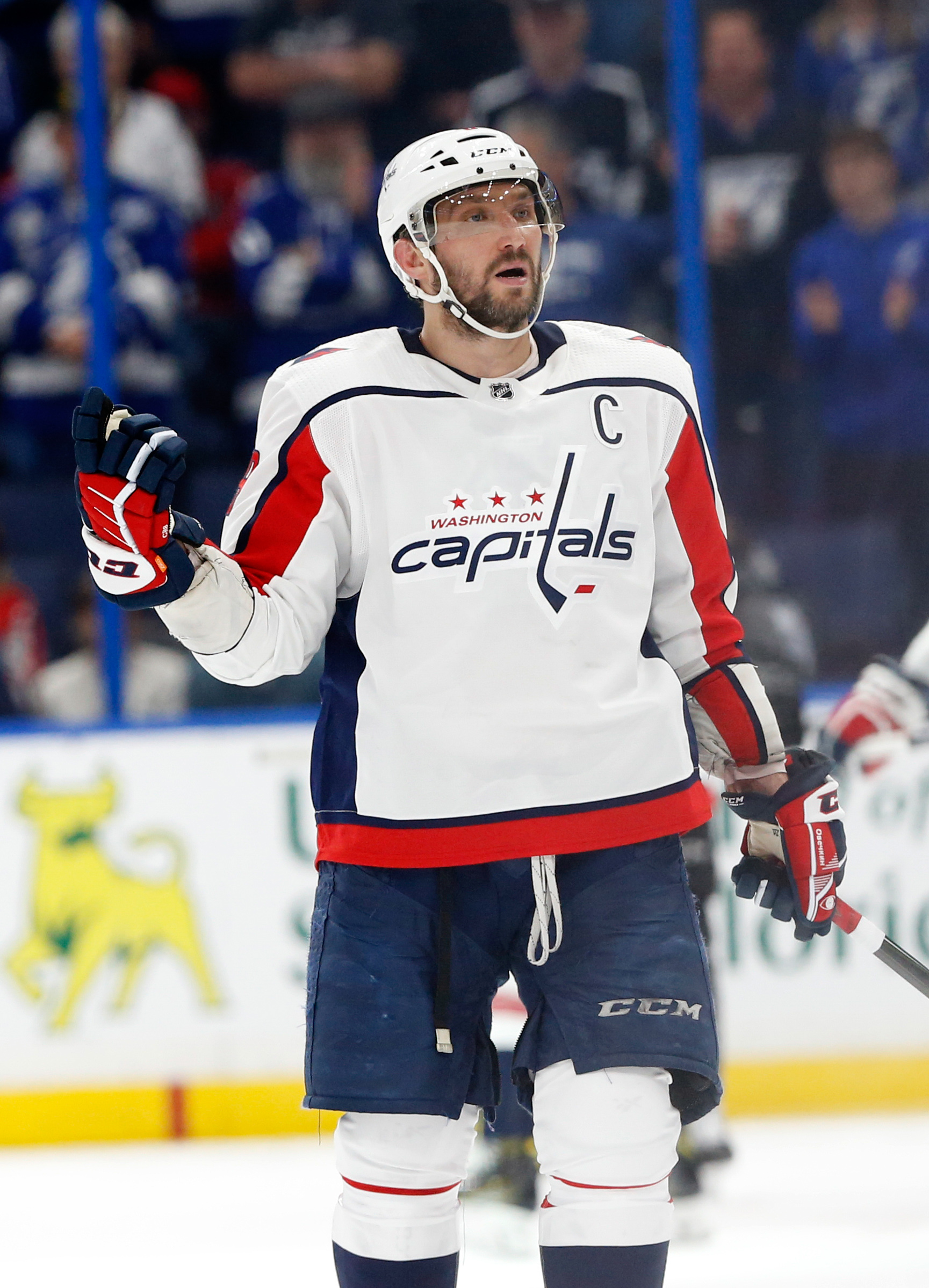 Now that he’s set to enter the final year of his contract, he’s eligible to sign a contract extension. His next deal will be subject to 35-plus provisions (unless it’s uniform in salary throughout the duration) but that shouldn’t have an impact on things. It’s safe to say that Ovechkin will be looking for a deal that takes him to retirement but the big question will be how many more years does he want to play? He’s still several years away from taking aim at the all-time goals scored mark which may very well play a role in how long this next deal is. Money, of course, matters too but he remains a top offensive threat so it stands to reason that his next contract should wind up around a similar price tag as his current $9.538MM AAV.
This isn’t a case where Washington needs to get a deal done or consider trading him over the risk of losing him for nothing. Most would likely classify Ovechkin’s next contract as a matter of when, not if. But getting something done now would give MacLellan some much-needed certainty in terms of knowing how much (or little) money he has left for 2021-22 and beyond. That could, in turn, impact what types of deals they do in the weeks ahead. It’s not a must-do at this point but it would be beneficial for both sides to get it done now.
Replace Holtby
The in-season extension given to Nicklas Backstrom was the final nail in the coffin for Braden Holtby’s chances of re-signing with Washington unless he wants to sign for less than market value. Assuming that’s the case, they’ll need to find a backup for Samsonov who will be in his first season as a starter.
There are two in-house options for the position but neither one is particularly strong. Pheonix Copley was their backup in 2018-19, earning himself a three-year deal in the process. However, he’s not the type of goalie that they should be comfortable asking for roughly 30 games from next season as Samsonov is unlikely to jump into a top workload after making just 22 starts this year. Prospect Vitek Vanecek has some upside and did well with AHL Hershey this season but is he ready for a full-time NHL spot? It’s certainly not a guarantee.
While one of those two would provide more cap flexibility (Copley’s AAV is $1.1MM while Copley’s is just over $716K), they would put a lot of pressure on Samsonov. Accordingly, a more proven veteran goalie would certainly be a safer play, albeit a more expensive one. While it’s unlikely that they’d shop at the higher end of that market, they could still get someone around the $2MM to $2.5MM mark that would give them a bit more security. But with limited cap space and a pair of blueliners (Brenden Dillon and Radko Gudas) set to hit the open market, it’s going to be a tough decision to make.
Photo courtesy of USA Today Sports Images.
Free Agent Focus: Arizona Coyotes
While the official start date of free agency remains in flux depending on when the playoffs end (the later of October 9th or a week after the completion of the Stanley Cup Final), many teams are already looking ahead to when it opens up. There will be several prominent players set to hit the open market while many teams have key restricted free agents to re-sign. Arizona has been in constant turmoil for two decades and now face an offseason with incredible challenges.
Key Restricted Free Agents
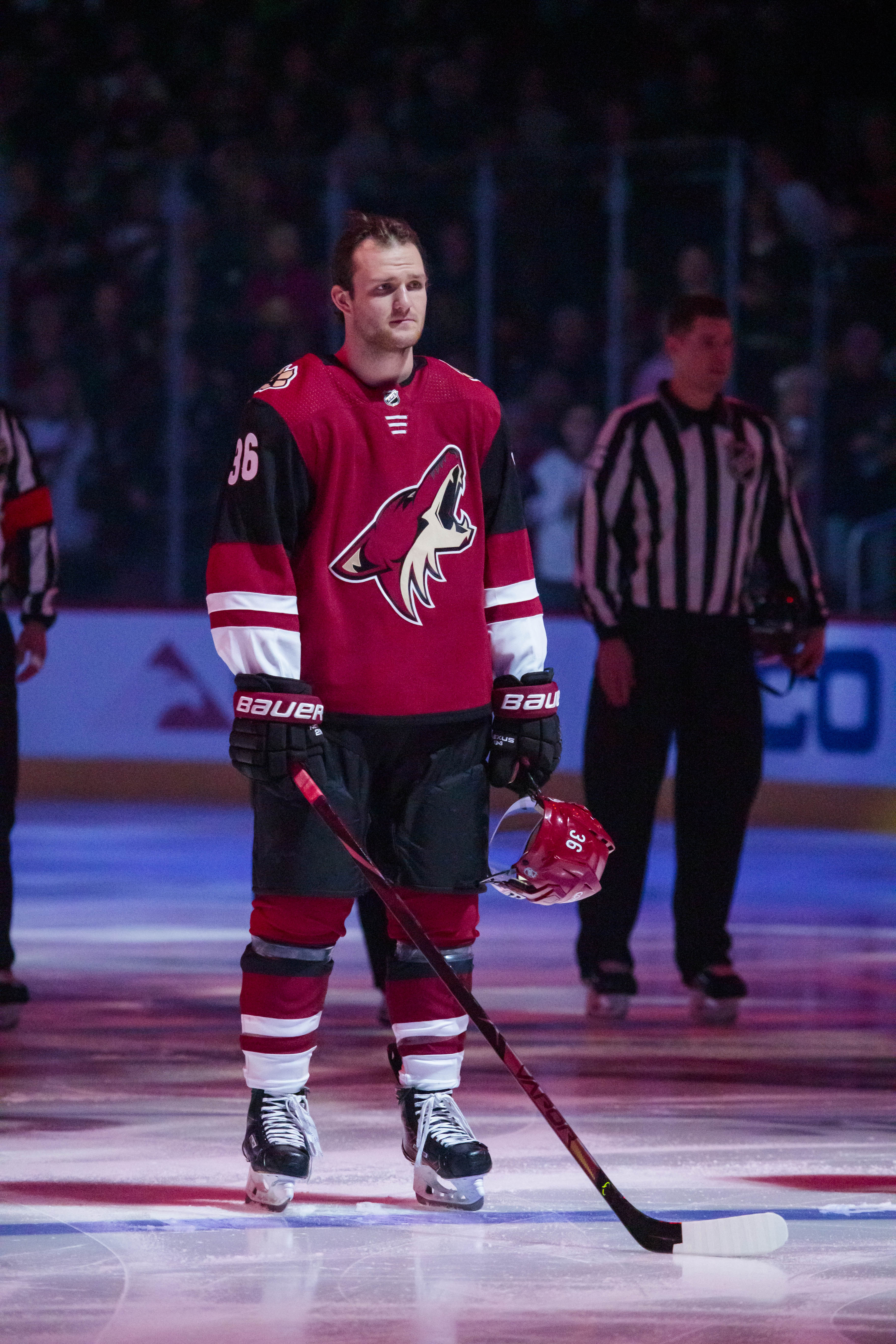 F Christian Fischer – What happened to the promising young power forward that scored 15 goals and 33 points as a rookie? Fischer, a second-round pick from 2015, burst onto the scene with the Coyotes in 2017-18 as a 20-year old wrecking ball, using his 6’2″ frame effectively to punish opponents and create offense. Now 23, Fischer is coming off a nine-point season that saw him averaging less than ten minutes a night in the second half. That offensive drop off coincided with plummeting possession stats, while the playoffs didn’t bring much change. In nine postseason games, Fischer recorded just one point. He shouldn’t be expensive for the Coyotes to retain after that dreadful year, but a return to form for Fischer would go a long way in helping the Coyotes lengthen out their lineup.
F Vinnie Hinostroza – You can basically cut-and-paste the disappointing year quotes for Hinostroza, who scored just five goals in 2019-20 after tallying 16 in his first year with Arizona. The 26-year-old forward ended with just 22 points in 68 games, a substantial step backward for a player that was an exciting piece of the Marian Hossa deal in 2018. Unlike with Fischer however, Hinostroza is heading into restricted free agency for the final time, is arbitration-eligible and could potentially be a player the Coyotes walk away from if things are getting too expensive. He’s coming off a contract that paid him just $1.5MM this season, and it’s hard to imagine him providing much excess value for whatever the arbitrator awards.
Other RFAs: D Ilya Lyubushkin, D Jordan Gross, D Dane Birks, D Kyle Capobianco, D Vili Saarijarvi, D Jalen Smereck, G Merrick Madsen, G Adin Hill
Key Unrestricted Free Agents
F Taylor Hall – Here’s where the real tough decisions come for the Coyotes. Nick Merkley, Nate Schnarr, Kevin Bahl, and two high draft picks is what the Coyotes paid for 44 games of Hall. 12 goals, 33 points, and a first-round exit were the return, not exactly what they were hoping for when they made the deal with New Jersey midway through the season. Now, a team operating without a permanent GM is trying to sell Hall on the perks of remaining a Coyote, but it’s hard to imagine him taking any contract before seeing what’s available on the open market. The former MVP is still an excellent offensive player and he’s only 28. While his market may be significantly depressed by the flat cap, that doesn’t mean he’s going to come cheap. The Coyotes aren’t really in a position to be giving out the biggest contract of the offseason, meaning they may end up without a chair when the music stops on Hall’s free agency.
F Carl Soderberg – A veteran forward with a history with the Boston Bruins finished third in goals for the Coyotes in their first season in Arizona. Phil Kessel? No, it’s Soderberg, who ended up with 17 goals and 35 points in 70 games (Kessel had 14 and 38) while playing nearly 16 minutes a night. That ridiculous 14-point season in 2016-17 is the obvious outlier now for Soderberg, who has scored at least 12 goals and 35 points in each of his other six NHL seasons. After just one season in Arizona, Soderberg will be 35 next month and could find himself on the way out given the team’s cap crunch. You can bet other teams are watching to see if the veteran center will hit the open market as a strong depth option.
Other UFAs: F Brad Richardson, F Markus Hannikainen, F Beau Bennett, D Robbie Russo
Projected Cap Space
That flat cap will have several teams struggling to piece together the offseason puzzle, perhaps in Arizona most of all. Even without Hall, the team has more than $80MM committed for next season thanks to expensive extensions kicking in for Darcy Kuemper and Clayton Keller. Hossa’s $5.275MM cap hit will be kept on long-term injured reserve again to give some added flexibility, but even so, the team is going to be cap-strapped in the offseason. That’s exactly the reason why captain Oliver Ekman-Larsson‘s name has already been floated in the trade rumor mill, along with several other of the team’s veteran defensemen—Alex Goligoski, Niklas Hjalmarsson, Jason Demers, and Jordan Oesterle are all unrestricted after next season.
If Hall is to come anywhere near a return to Arizona, the team is going to have to move some money out. Does interim GM Steve Sullivan pull that trigger, or will the team wait for their next front-office leader to be hired before issuing sweeping changes to the roster?
Photos courtesy of USA Today Sports Images
Free Agent Focus: Washington Capitals
While the official start date of free agency remains in flux depending on when the playoffs end (the later of October 9th or a week after the completion of the Stanley Cup Final), many teams are already looking ahead to when it opens up. There will be several prominent players set to hit the open market while many teams have key restricted free agents to re-sign. Washington has most of their team already signed for next season but a few players of note will have their contracts expire next month.
Key Restricted Free Agents
F Travis Boyd – Boyd is Washington’s only roster forward that’s slated to be a restricted free agent so he appears here by default. He was actually quite productive in a limited role this season with 10 points in just 24 games while averaging just 11:45 per game. The Capitals are going to need to go with cheap roster fillers so if Boyd is willing to accept something around the $800K he has made the last two years, he could stick around.
D Jonas Siegenthaler – After spending most of his first two seasons in North America in the minors, Siegenthaler held a regular roster spot this season, getting into 64 games which were mostly spent on their third pairing. The 23-year-old also played in all but one of their playoff games which is a good sign that he’ll be part of their plans for next season. He’ll be able to get more than his qualifying offer of $787.5K but as is the case with their forwards, affordability at the bottom of the depth chart will be critical. Siegenthaler is worthy of a multi-year deal but to keep costs low, a one-year pact around $1MM may be the likelier outcome.
Other RFAs: D Kristofers Bindulis, F Shane Gersich, D Connor Hobbs, D Lucas Johansen, F Brian Pinho, F Daniel Sprong
Key Unrestricted Free Agents
D Brenden Dillon – Acquired from San Jose before the trade deadline, Dillon became an important part of Washington’s top four right away, averaging a little over 20 minutes a game before the pandemic hit and over 22 minutes per contest in the playoffs. Offensively, he’s limited (surpassing the two-goal mark just once in the past six years) but he’s steady in his own end, can block shots, and adds a level of physicality that many teams will covet. While a big raise isn’t likely, Dillon should still be able to command a small increase on the $3.27MM AAV he has played under for the last five years as there will be teams with an interest in using him on their second pairing.
D Radko Gudas – Dillon’s acquisition wasn’t good news for Gudas as it pushed him a little further down the depth chart to the point where he was scratched at times in the playoffs. That doesn’t help his free agent case. The change in scenery from Philadelphia didn’t allow him to show more in his new environment but rather solidified that he’s a third pairing option. His physicality and the fact that he’s a right-shot player will still ensure that there’s a good market for him but as teams will likely look to go cheaper on their depth players in the flattened cap environment, the top price point of his market may not be much higher than the $2.35MM AAV he had this season.
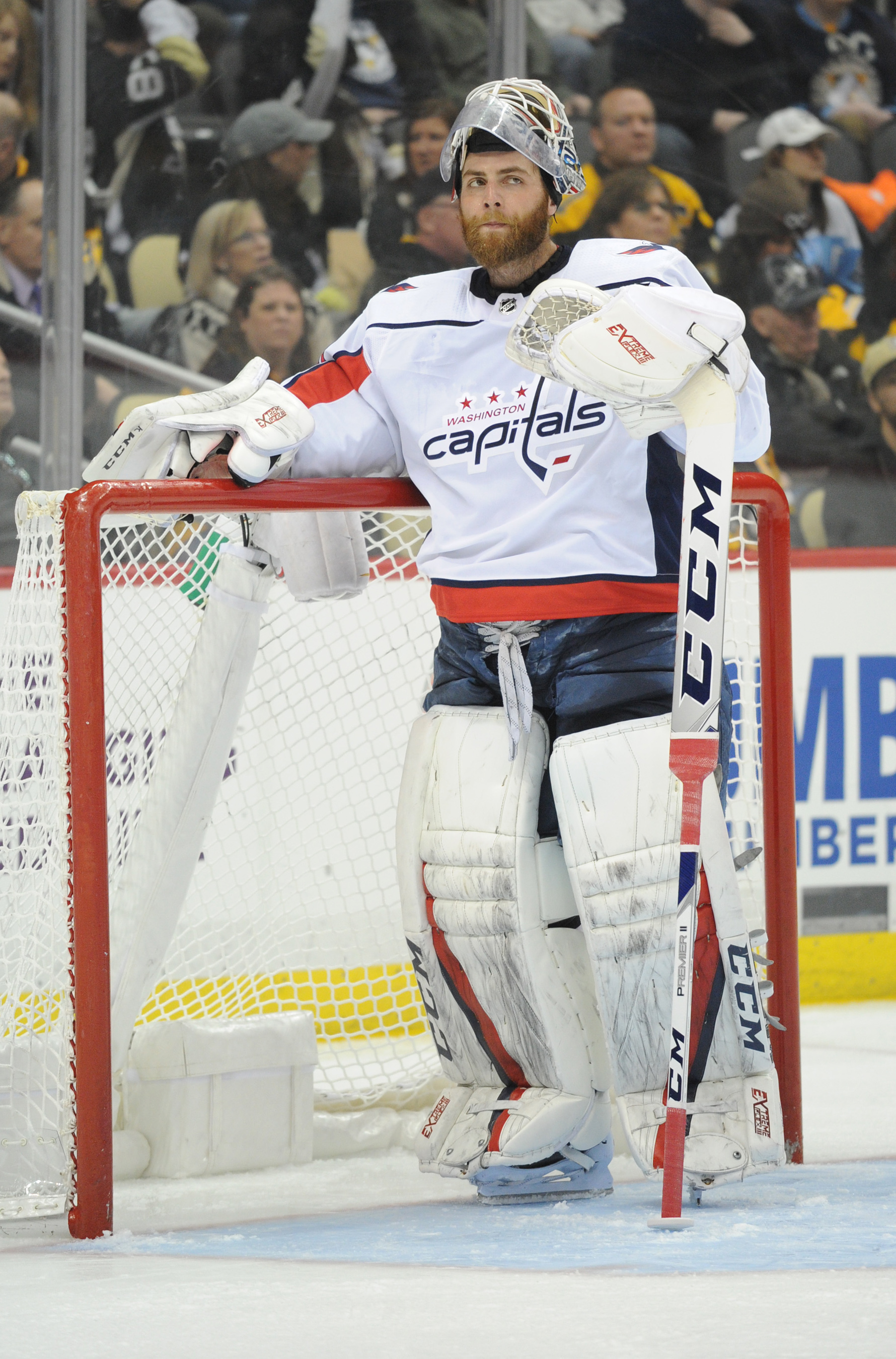 G Braden Holtby – After a couple of quieter seasons by his standards, Holtby had a chance to stake his claim to the top UFA goalie available. That didn’t happen. Instead, he had the worst statistical season of his career with a 3.11 GAA and a save percentage of just .897. Both of those were the worst of his career. Holtby had an opportunity for redemption with Ilya Samsonov’s injury preventing him from playing in the postseason and his numbers (2.46 GAA, .909 SV%) were better but Washington was still ousted quickly. Samsonov’s presence and Washington’s cap situation means that Holtby is almost certainly on the way out. Had he established himself at the top of the free agent class, he would have been well-positioned to land a long-term deal. Now, a short-term contract somewhere that gives him a chance to rebuild some value may be the better way to go.
Other UFAs: F Liam O’Brien, F Ilya Kovalchuk, D Tyler Lewington, D Colby Williams
Projected Cap Space
On the surface, having roughly $10MM in cap space to work with, per CapFriendly, isn’t too bad. On the other hand, when you consider that they only have four defensemen under contract and could use a more proven second option to Samsonov, there really isn’t much to spend. The majority of this team is already in place for next season and it will be up to a new head coach to get the most out of them.
Another factor to consider is that winger Alex Ovechkin is slated to become an unrestricted free agent next summer. Committing another long-term deal now could make it tougher to re-sign him and that’s something they’re not going to want to do. Expect most signings to be short-term deals as a result which should also give them a bit more financial flexibility to work with and they’ll need every bit of it.
Photo courtesy of USA Today Sports Images.
Offseason Keys: Carolina Hurricanes
As teams are eliminated from the playoffs, it means that the offseason has arrived for several more squads. Having covered the teams that weren’t a part of the NHL’s return and the ones ousted in the Qualifying Round, we shift our focus to the ones that were eliminated in the official first round. Next up is a look at Carolina.
After what many would call a Cinderella playoff run a year ago, the Hurricanes picked up where they left off this season and found themselves in a postseason position before the pandemic hit. From there, they made short work of the Rangers, a popular sleeper pick, in the Qualifying Round and it looked like they might be on their way again. However, Boston stopped them in their tracks to end their season. While it ended on a sour note, it seems unlikely that Carolina will make a bunch of changes but some tweaks may be on the menu. Here’s what GM Don Waddell should be looking to accomplish over the coming months.
Look Into Goalie Upgrade
On the surface, suggesting that a team that allowed the sixth-fewest goals in the league this season needs a goalie upgrade would seem a little strange. However, it’s certainly an area that could be improved upon and it’s looking like this could be an offseason where there is more goalie movement than usual so the timing may be right.
Petr Mrazek and James Reimer have both been starters for stretches of their careers and backups for others due to their inconsistency. Mrazek had the larger share of the workload but only managed a .905 SV% this season which is well below average for a starter. Reimer fared better at a .914 mark but in 15 fewer games. Between the two of them, they combined for a .908 SV% which isn’t great and looks a bit worse when you consider they play in front of one of the better defense corps in the league and allowed the second-fewest shots during the regular season at 29.3 per game.
Both netminders are also a year away from unrestricted free agency. At this point, it doesn’t seem likely that both would be brought back and the team still has hopes for Alex Nedeljkovic to be part of their future plans as well.
With that in mind, why not look to try to upgrade? At the very least, they’ve been linked to Toronto’s Frederik Andersen already and there will undoubtedly be others as well. With Mrazek and Reimer, the Hurricanes have a reasonable floor to work with between the pipes but even finding a small upgrade during the offseason goalie shuffle would be an important step and it’s something that should be attainable.
Extension Talks
Late last month, Waddell indicated that there’s no timetable to work on contract extensions for two of his top players but that he hopes to work on new deals for winger Andrei Svechnikov and defenseman Dougie Hamilton sooner than later. Knowing that both are in line for considerable raises, getting early extensions done would go a long way towards providing some certainty towards what they’ll have to spend beyond 2020-21 which could have an impact on what types of other additions they target in the coming months.
The 20-year-old Svechnikov took a big step forward offensively this season, finishing third on the team in scoring with 24 goals and 37 assists in 68 games. He did so without a major jump in playing time as well as he logged just 16:44 per night. There’s room for a bigger role and with it, the potential for another offensive jump next season. Accordingly, it’s reasonable to think that a long-term deal will cost more a year from now if one of the two sides opt to wait. On the other hand, with the salary cap projected to only increase minimally for the next few years now due to the pandemic, Svechnikov becomes a candidate for a bridge contract which is something they could try to work out now to get that cost certainty in place.
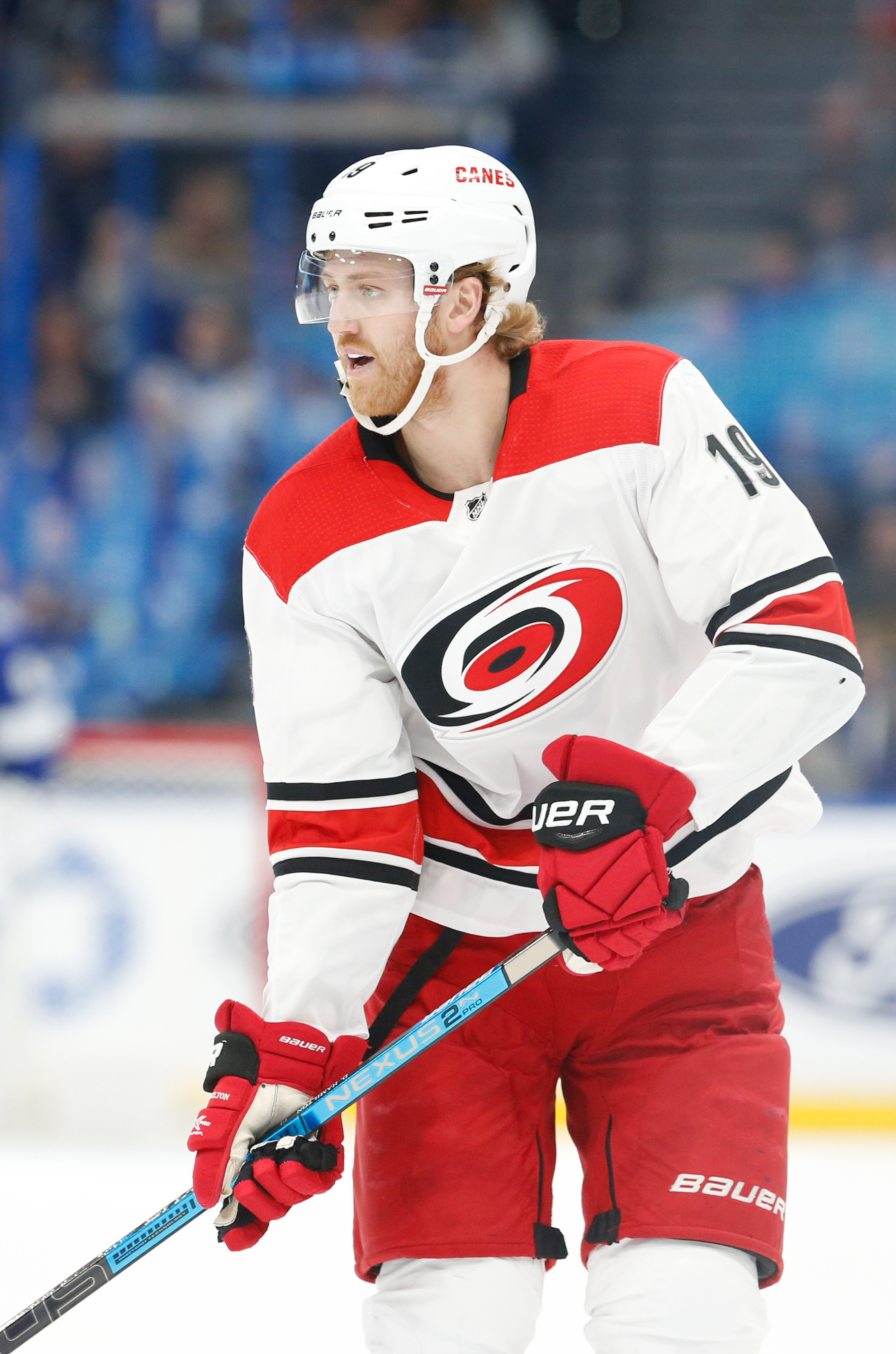 As for Hamilton, he was in the midst of a career year before fracturing his fibula on mid-January. Before that injury, he was just shy of a point per game (40 points in 43 contests) while logging 23:17 per game, a new career best. He also got into five playoff games (after missing the Qualifying Round series against the Rangers with another injury), picking up a goal and an assist while playing nearly 25 minutes a night. With his performance this season, Hamilton has shown himself to be capable of being a top-pairing defenseman which makes his current $5.75MM cap hit look like quite a bargain. He’ll be 28 when he hits the open market and will be in the prime of his career so even with the cap projections not being what they were earlier this season, he’s going to be in line for a big raise. Hamilton is a big part of Carolina’s back end and locking him up on a long-term deal would be a big win for them this offseason and ensure that another foundational piece sticks around.
Add A Secondary Scoring Upgrade
With Svechnikov, Sebastian Aho, and Teuvo Teravainen, the Hurricanes have a strong top line offensively. All three managed to pick up more than 60 points in the pandemic-shortened campaign which is quite good. However, they were the only three forwards to have more than 37 points. Only two players managed to reach the 20-goal mark while Martin Necas (who was fourth in points with 36) may have had a shot at it had the regular season not been ended early.
On paper, Carolina has quite a few players that should fit that bill. Nino Niederreiter was great in his first season with the team but tapered off this season while Jordan Staal’s output has dropped in recent years as well. Ryan Dzingel was brought in to replace Justin Williams (who eventually came back) but he wasn’t even able to hold down a regular spot in the lineup. Vincent Trocheck was added at the trade deadline but was quiet in his first action with his new team.
Optimistically speaking, some of those players should be better next season and that in itself should help. But adding someone to replace Williams and do the job that Dzingel hasn’t would go a long way towards helping secure a reliable second offensive trio which is something they will need to get back to being a playoff threat for next season and beyond.
Photo courtesy of USA Today Sports Images.
Offseason Keys: Columbus Blue Jackets
As teams are eliminated from the playoffs, it means that the offseason has arrived for several more squads. Having covered the teams that weren’t a part of the NHL’s return and the ones ousted in the Qualifying Round, we shift our focus to the ones that were eliminated in the official first round. Next up is a look at Columbus.
Last season, the Blue Jackets surprised many, stifling a high-powered attack before being ousted in the playoffs. This year, it was more of the same as they eliminated Toronto before Tampa Bay exacted some revenge for 2019 to end their year. What’s particularly impressive is that Columbus was able to do so despite losing several of their top players in free agency without much in the way of replacements coming in, with all due respect to Gustav Nyquist. Now, GM Jarmo Kekalainen will be tasked with trying to find some of those replacements to give their attack a much-needed boost for next season.
Add Impact Center
One thing that Matt Duchene brought to the table a year ago was the ability to have a strong one-two punch with Pierre-Luc Dubois. But when Duchene signed in Nashville, they weren’t able to fill that spot externally and instead had to promote from within. Their top options were Boone Jenner who in four years hasn’t surpassed 18 goals after scoring 30 in 2015-16 and Alexander Wennberg who had all of two goals in 75 games in 2018-19. To their credit, they made it work even though the two only combined for 16 goals in 127 contests this season.
But just because they got away with a weak group down the middle this season doesn’t mean it’s a recipe for success down the road. Look at the teams that were ahead of them in the Metropolitan Division and there is one commonality – a strong group of centers. To take a step forward in the regular season standings and not rely on pushing for a Wild Card spot, this is an area that has to be improved.
Unfortunately for the Blue Jackets (and any other team looking for help down the middle), the unrestricted free agent market isn’t going to solve the problem as there isn’t much help available there. This is something that will need to be addressed by a trade and after making several trade splashes to bolster last year’s run, the prospect and draft pick cupboards aren’t quite as stocked as they once were. But if they want to take that next step forward, this is something that Kekalainen will need to find a way to address.
Sign Dubois
Nearly a third of their roster is slated to be a restricted free agent this offseason but among those, Dubois is in a class of his own. While his point total dipped this season (49 points in 71 games) thanks to the pandemic, he played close to his point-per-game pace from 2018-19 that saw him collect 61 points. More importantly, he is unquestionably the top center the Blue Jackets have, a role that certainly boosts his leverage heading into contract talks.
 Before the pandemic, many teams have been trying to lock up their top young stars to deals that may be a little pricey at the beginning but have the potential to be bargains by the end as they continue to improve and the salary cap goes up. That last part isn’t going to be in play for a few years at least until fans are able to be back in arenas and the new television deal in the United States is completed.
In the meantime, the internal discussion for both sides will be weighing the pros and cons of a bridge deal versus a long-term contract. For Dubois, waiting a couple of years to get a long-term deal certainly makes some sense as he’ll have arbitration eligibility and likely a preferable financial landscape. On the other hand, if his offense doesn’t progress beyond that 60-point level, the earnings upside may not be as high then as it is now. From Kekalainen’s perspective, working towards a long-term contract is almost certainly the preferred option unless the asking price is exceptionally high. They’ll need to find some common ground over the next few months.
An offer sheet is a possibility but Columbus should have enough cap space to dissuade one from being made. They’ll need to dip into LTIR this time around but with Brandon Dubinsky’s career likely over, they’ll have up to his $5.85MM AAV at their disposal to give them some extra wiggle room which should be enough to make teams look elsewhere.
Add Power Play Help
Production with the man advantage has been an issue for the last couple of years to the point where it has cost two assistant coaches their jobs in recent months. Their two top goal-getters on the power play were a defenseman (Zach Werenski) and a rookie forward that had half of his goal total come in this situation in Emil Bemstrom. Each had five goals. That’s not a bad total but it certainly shouldn’t be leading the team either.
If you’re thinking that the departures of Duchene and Artemi Panarin had a lot to do with that, the thought would certainly make some sense. But technically speaking, the Blue Jackets had a better power play this season (16.4%) vs the year prior (15.4%). It was only a little over 17% in 2017-18 as well; it’s not as if this is a short-term problem. Instead, it’s clearly a lingering issue.
Obviously, shoring up the center position should help things in theory. But they were in better shape down the middle a year ago and it didn’t make a dent in that department. Different schemes have been tried and the results have been the same. Accordingly, Kekalainen may be looking to add a power play specialist or two. These players may not quite fit the type of style that John Tortorella wants to see but even some incremental upgrades with the man advantage should be enough to get them out of the basement offensively which is where they basically were this season with only one Eastern team (Detroit) scoring fewer goals than they did.
Photo courtesy of USA Today Sports Images.
Free Agent Focus: Anaheim Ducks
While the official start date of free agency remains in flux depending on when the playoffs end (the later of October 9th or a week after the completion of the Stanley Cup Final), many teams are already looking ahead to when it opens up. There will be several prominent players set to hit the open market while many teams have key restricted free agents to re-sign. Anaheim doesn’t have a ton of pressing contract negotiations but could use the period to add some more talent to the roster.
Key Restricted Free Agents
F Kiefer Sherwood – You’d be right if you don’t think Sherwood is a key for the Ducks moving forward, but his appearance here shows just how much work they’ve already done to lock up their young restricted free agents. The 25-year old forward doesn’t qualify for Group VI unrestricted free agency after just two years under a professional contract, meaning his future will be one of the decisions the Ducks have to make this summer.
Sherwood ended up playing in 50 games as a rookie in 2018-19 after signing as an undrafted free agent out of Miami University (Ohio), but was limited to mostly minor-league duty this season. A capable scorer and bottom-six option for the team, he could be brought back on an inexpensive deal to fill out the depth chart.
Other RFAs: F Alex Dostie, F Deven Sideroff, F Chase De Leo, D Joel Persson
 Key Unrestricted Free Agents
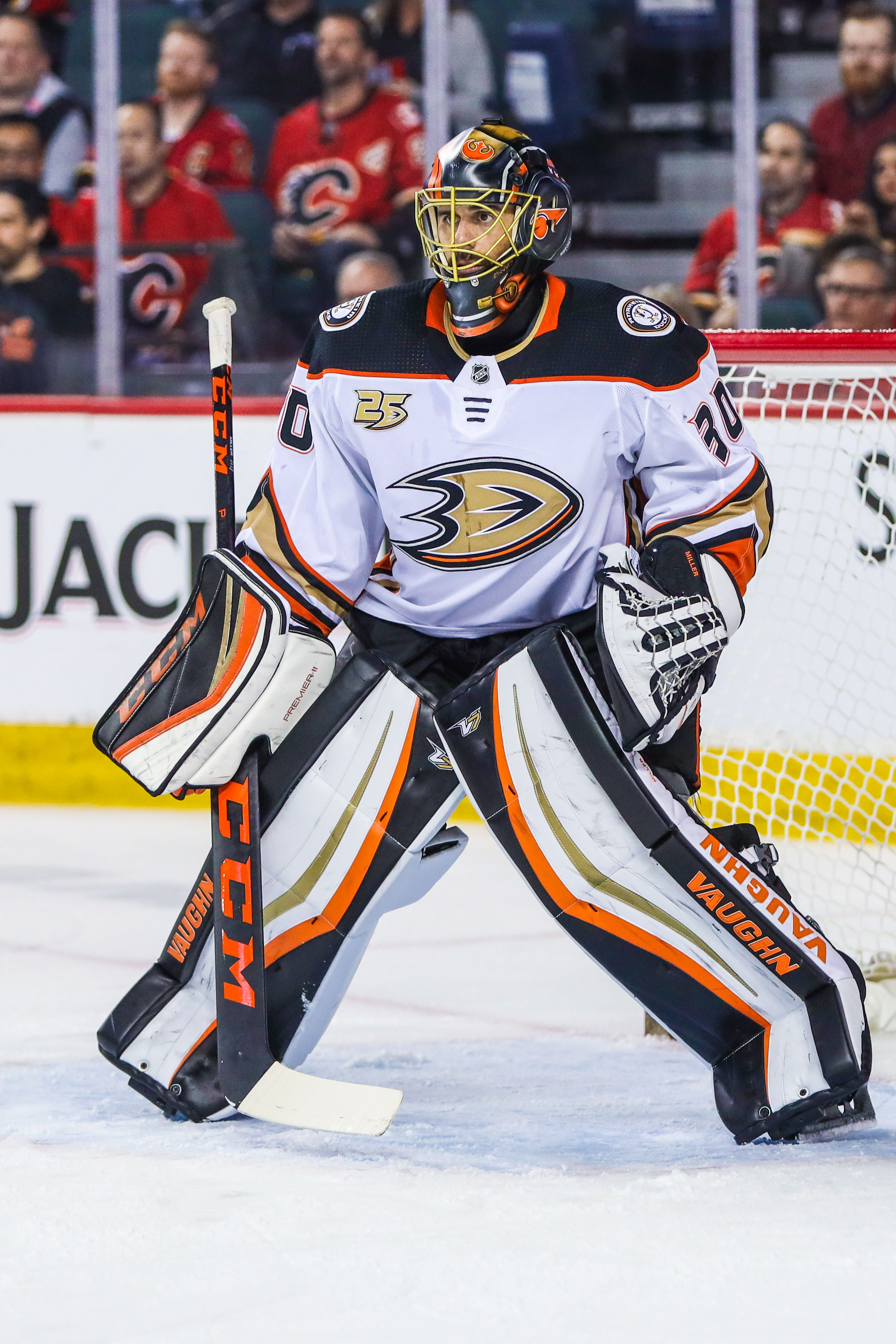
G Ryan Miller – Now 40, it’s not clear exactly what the future holds for Miller, one of the league’s best goaltenders over almost two decades now. In May, when the season was still paused, he explained that he had hoped to catch another Buffalo legend, Dominik Hasek, on the all-time wins list. Miller currently sits just two wins behind, meaning one last NHL season would likely get him there. He’s coming off a $1.125MM deal and could likely be brought back for close to the league minimum if he decides he wants to continue the chase.
D Michael Del Zotto – Remember when Del Zotto was a Norris Trophy nominee in 2012 after scoring 41 points in 77 games with the New York Rangers? That seems like a completely different player than the one who has suited up for three different teams the past two seasons. Del Zotto played in 49 games for the Ducks this season and is still only 30, but hasn’t been able to recapture that early-career magic in years. If he shot right, he might have a bigger market, but it’s hard to see him earning much more than the one-year, $750K deal he played on this year.
Other UFAs: D Matt Irwin, F Blake Pietila, F Andrew Poturalski, F Kyle Criscuolo, F Justin Kloos, F Chris Mueller, D Chris Wideman, G Kevin Boyle
*Patrick Eaves is also scheduled to become an unrestricted free agent after his three-year, $9.45MM deal expires, but is expected to officially retire due to health concerns.
Projected Cap Space
Amazingly, even though they were one of the league’s worst teams, the Ducks aren’t exactly flush with cap space as they head into next season. The team has over $78.5MM committed to next season for 18 players per CapFriendly, though that does include the $6.875MM hit of Ryan Kesler. Kesler is not expected to play again, meaning that number will be transferred to long-term injured reserve giving Anaheim a little more flexibility. With no huge names on expiring deals they won’t be forced to shed salary, but moving out some of their underperforming-but-aging names could give them an opportunity to add in free agency.
Photo courtesy of USA Today Sports Images
Offseason Keys: Chicago Blackhawks
As teams are eliminated from the playoffs, it means that the offseason has arrived for several more squads. Having covered the teams that weren’t a part of the NHL’s return and the ones ousted in the Qualifying Round, we shift our focus to the ones that were eliminated in the official first round. Next up is a look at Chicago.
The regular season wasn’t kind to the Blackhawks as when the pandemic hit, they were well out of playoff contention and had already traded their starting goalie to Vegas. However, they were among the teams invited back in the NHL’s Return to Play and they made their presence felt as they eliminated Edmonton before falling to the Golden Knights with Robin Lehner between the pipes. While Chicago now has some momentum off what was shaping up to be a tough year, GM Stan Bowman has some work to do this offseason.
Free Up Cap Space
Over the last couple of years, Chicago was able to get out from under their perpetual salary cap concerns. The flattening of next year’s Upper Limit will put them right back into that familiar refrain of cap difficulty, especially since they won’t have the LTIR of Brent Seabrook and Andrew Shaw to rely on as both plan to be ready to return next season.
With those two on the roster, the Blackhawks have more than $74MM in commitments for next season and a lingering bonus overage penalty of more than $877K which can either be taken in full in 2020-21 or split evenly over the next two years. Out of that remaining cap space, they have three regular forwards in need of new deals including a Calder candidate while neither of the goalies they had to finish the year is under contract. (More on those two situations shortly.) Clearly, something has to give.
One of the speculated options would be to use a buyout or two. Forward Zack Smith, a healthy scratch at times during the year, seems like a logical candidate with a $3.25MM price tag but a back issue at the end of the season could complicate things if he isn’t cleared by the offseason.
On the trade front, defenseman Olli Maatta had a quiet year (though he did better in the playoffs) and isn’t quite living up to his $4.083MM AAV. Calvin de Haan ($4.55MM) is also pricey and is coming off an injury-plagued year which won’t help his trade value. Connor Murphy ($3.85MM) is less likely to be moved but may have a bit more value. With Seabrook and Duncan Keith ($5.538MM) on the books and not being moved, trimming from their veteran rearguards to save some cap space is a logical place to look but other options will have to be considered as well.
One way or another, the Blackhawks are back in familiar territory where they will have to trim from their roster to keep the rest of it intact. Until that happens, they’ll be limited with what they can do this offseason.
Re-Sign Or Replace Crawford
When Chicago traded Lehner to Vegas, it opened up the starting role to once again be filled by Corey Crawford and he held his own down the stretch and in the playoffs. However, the 35-year-old is set to become an unrestricted free agent in October and while he indicated last week that he’s leaning towards staying in Chicago, having the starting role will ultimately play a role in that decision.
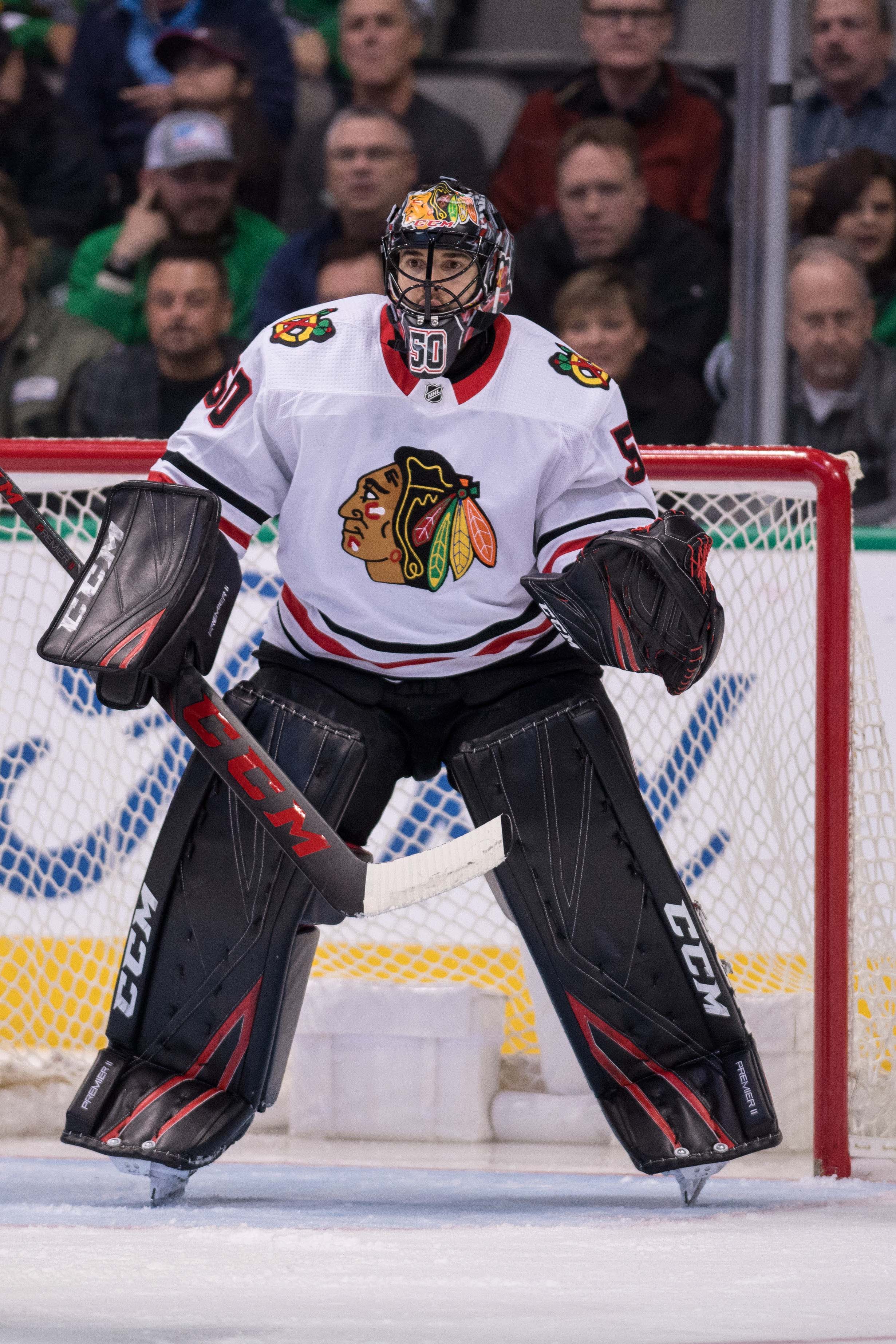 What’s the right price tag to keep Crawford around? His expiring deal carries a $6MM AAV which may be a bit on the high side but not by too much. Platoon goalies have been exceeding $3MM over the last few years and Crawford, if he re-signs, is at least going to at least be lined up for playing time equivalent to someone on the strong side of a platoon. With minimal cap space to bring in a quality backup, perhaps he’d be up for even more game action which would only bolster his negotiating leverage. As a result, it’s out of the realm of possibility that Crawford’s next contract winds up close to the $5MM in salary he received this season. If that happens, most of their cap space will be wiped out in the process.
It’s also worth that Malcolm Subban, acquired as part of the Lehner trade, is a restricted free agent. It’s possible that he could return while Collin Delia and Kevin Lankinen could be in the mix as well. If Crawford stays, they’ll have to go with a cheaper backup option which means one of those three would likely be his backup.
But if Crawford decides to go elsewhere, Bowman may have to change plans quickly. There aren’t many proven starters available in free agency and the ones that are will likely command more than Crawford. In that case, Chicago may have to pivot back to their strategy from this season with a platoon. Out of their backup options, none are qualified for that role so the Blackhawks may then have to shop for a new tandem altogether despite not having much to spend. If Crawford stays, things are pretty simple but if not, things get a lot more complicated quickly.
Kubalik Deal
Of the three regular forwards that are set to become restricted free agents, winger Dominik Kubalik is the most intriguing one. Contract negotiations are based on comparable players and situations but when it comes to Kubalik, there are no real comparable circumstances. There have been plenty of 30-goal scorers that hit restricted free agency but as a 24-year-old in his first season in North America? That’s a new one. Add in arbitration eligibility due to his age and you have the makings for a case to keep an eye on.
Given his limited NHL track record and their salary cap situation, a short-term contract is all but a certainty. After making $925K in base salary plus signing bonuses this season (he also hit half of his ‘A’ bonuses for $425K), he’s looking at a sizable raise and could conceivably surpass $3MM, even on a one-year deal. Kubalik finished in the top-20 in goals this season with that low price tag. Of the others in that group, the next cheapest player was Florida’s Mike Hoffman at just under $5.2MM. The majority of the players in that group can’t be used as comparables in an arbitration filing as they were UFA-aged deals but it just goes to show how impressive his rookie performance was.
The futures of their other two forward RFAs (Dylan Strome and Drake Caggiula) are in question. The former has been in trade speculation dating back to the regular season while the latter could be a non-tender candidate to save some money. There is no such question with Kubalik. Instead, it’s just a matter of when he signs and for how much.
Photo courtesy of USA Today Sports Images.