
With all but four remaining clubs having closed the book on their 2025-26 season, it’s time to look back on goaltender trades throughout the season, how they’ve turned out for both sides, and what comes next. In what was a year relatively quiet within this criteria, outside of one widely scrutinized trade, all transactions going back to last July are considered.
It’s hardly a surprise which deal is first worth mentioning, as December’s swap of Tristan Jarry/Stuart Skinner became a real storyline of the season. Just five months later, there’s no stretch in saying one side wishes they had a do-over already.
Edmonton’s interest in Jarry was known leading up to the winter, and as a buy-low candidate it seemed reasonable enough. The now 31-year-old had turned things around from the worst season of his career. In an early sampling of 2025-26, his .909 save percentage, and Goals Saved Above Expected ranking of 22nd (out of netminders playing 10 or more games) by no means set the league on fire. Still, it offered an upgrade for GM Stan Bowman who desperately had to make a switch.
Instead things got even worse than they were before. Jarry finished the regular season 40th among goaltenders who played at least 25 games with a -4.1 Goals Saved Above Expected, per Moneypuck. In 19 games with the Oilers, he managed to come away with nine wins, but his .858 save percentage, to go with a 3.86 goals-against-average, are career-worst levels for the veteran.
Even though the Oilers had the ability to outscore Jarry’s shortcomings, he was not trusted in the playoffs, starting just one game. It was decided that 29-year-old Connor Ingram was the better option, someone who spent meaningful time in the AHL this season, and who is further evaluated below. Needless to say, it did not work, as the Oilers were dispatched by Anaheim in six games.
So how did Pittsburgh come away? For the amount of criticism Bowman has caught, one might expect Skinner to have become a brick wall. It was not quite the case, as his statistics regressed to an .895 save percentage and 2.99 goals-against-average, marks in 27 games as a Penguin which were worse than anything else he’d offered in the NHL to this point.
However, he finished the regular season 20th out of those who played at least 25 games in Goals Saved Above Expected, 8.3, offering the same type of performance which the Penguins sold Jarry high on. Their swap of Jarry and Skinner was effectively a wash, when it should have been a real downgrade based on the conditions of the trade itself.
Already a Pittsburgh win to come out even in terms of performance, the scale really tips with Skinner’s $2.6MM coming off the books, while Edmonton must deal with Jarry’s $5.37MM AAV for two more seasons. Even if the Penguins let Skinner walk for nothing, they also acquired Brett Kulak as a throw-in, who was later flipped for Samuel Girard and a 2028 second rounder.
Escaping the Jarry situation and later adding nice branches to the trade tree is tidy work of GM Kyle Dubas, only serving as salt in the wound for the Oilers. It has quickly become a predicament, perhaps seeking a way out of the contract as soon as this summer, but in all likelihood he’ll return next fall seeking to turn the page. Cutting bait now, with his value at rock bottom, would be painful for a team already dealing with limited assets to improve their roster.
The savvy business from Dubas doesn’t end there, as next up is Arturs Silovs, brought in by Pittsburgh from Vancouver last July for Chase Stillman and a 2028 fourth round selection. Despite leading the Abbotsford Canucks to an AHL title, Silovs had no path forward with the Canucks as a result of Thatcher Demko in place and Kevin Lankinen’s long term contract. It’s a stark reminder of how different their franchise outlook was just one year ago, at the time intent on playoff contention with no use for a spare 24-year-old goalie despite his talent.
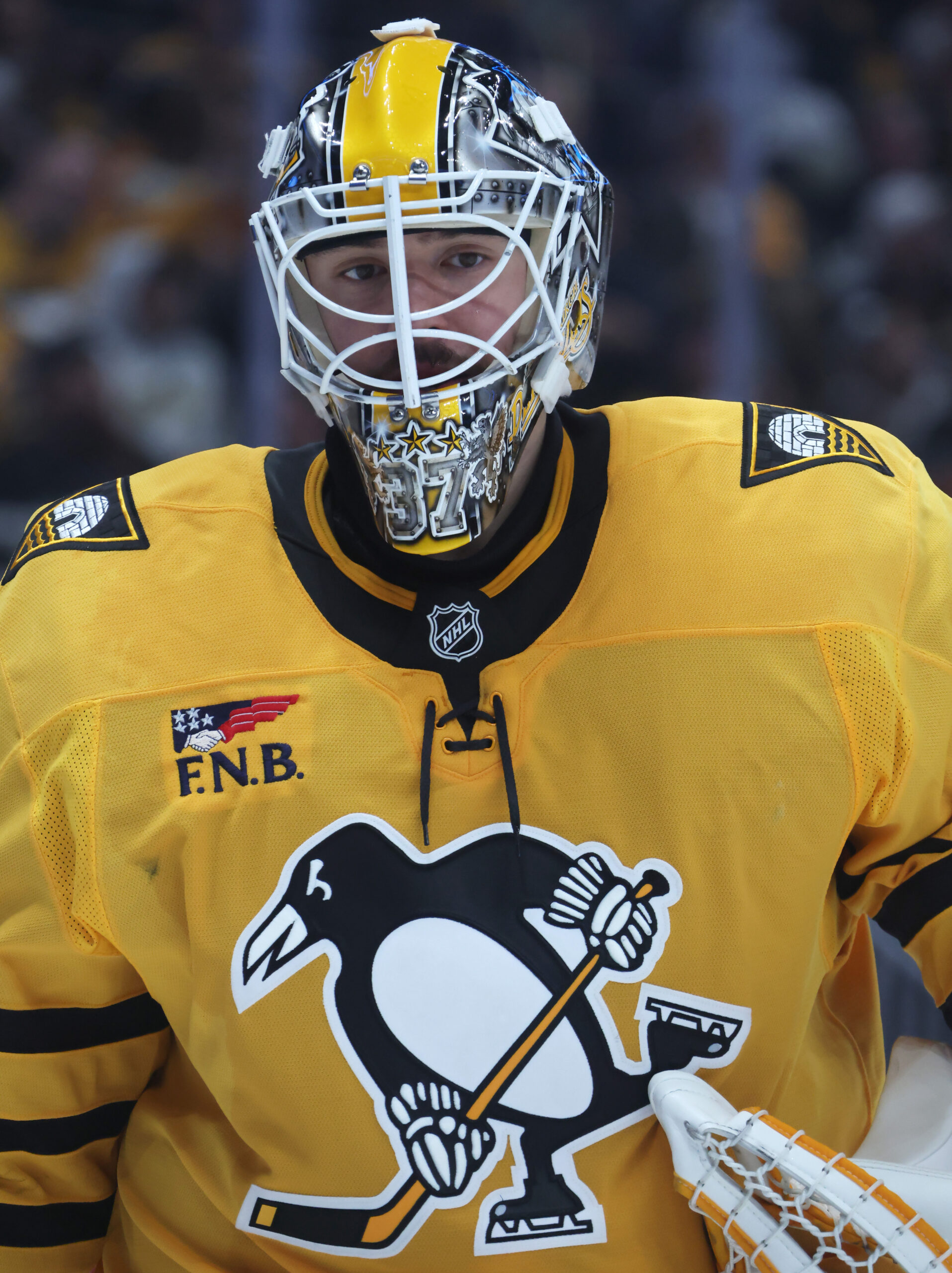
Fast forward to today, the Canucks are the second Pacific Division club longing for a “take back” with the Penguins. Demko’s future is in doubt with his ongoing health troubles, and Stillman, although 23, does not look like a forward with any meaningful NHL upside. So what’s the damage with how well Silovs performed?
The Latvian started 38 games for Pittsburgh, winning 19 and offering a 3.07 goals-against-average, coming in slightly worse than the league’s mean ranking of 2.88. With a workload far more than anything he saw in the NHL previously, his underlying numbers weren’t all so pretty, with a -11.9 Goals Saved Above Expected.
Mostly remembered as a Canuck from the 2024 playoffs, where he was tossed into the lineup and pushed the Oilers to the brink in the second round, Silovs stepped up on the biggest stage yet again. His .939 save percentage in three games against the Flyers was a memorable performance in what was otherwise a forgettable series for the team. Silovs will become a restricted free agent this summer and the 6’4” goaltender seems to have a future with the Penguins, impressive considering the limited assets they gave up.
Jumping right back to the Oilers, next is the aforementioned Connor Ingram, who was acquired from Utah in October for future considerations, set to be an insurance policy at #3 on the totem pole. Like Silovs, Ingram once was thrust into the Stanley Cup Playoffs from the AHL, as a Nashville Predator in 2022.
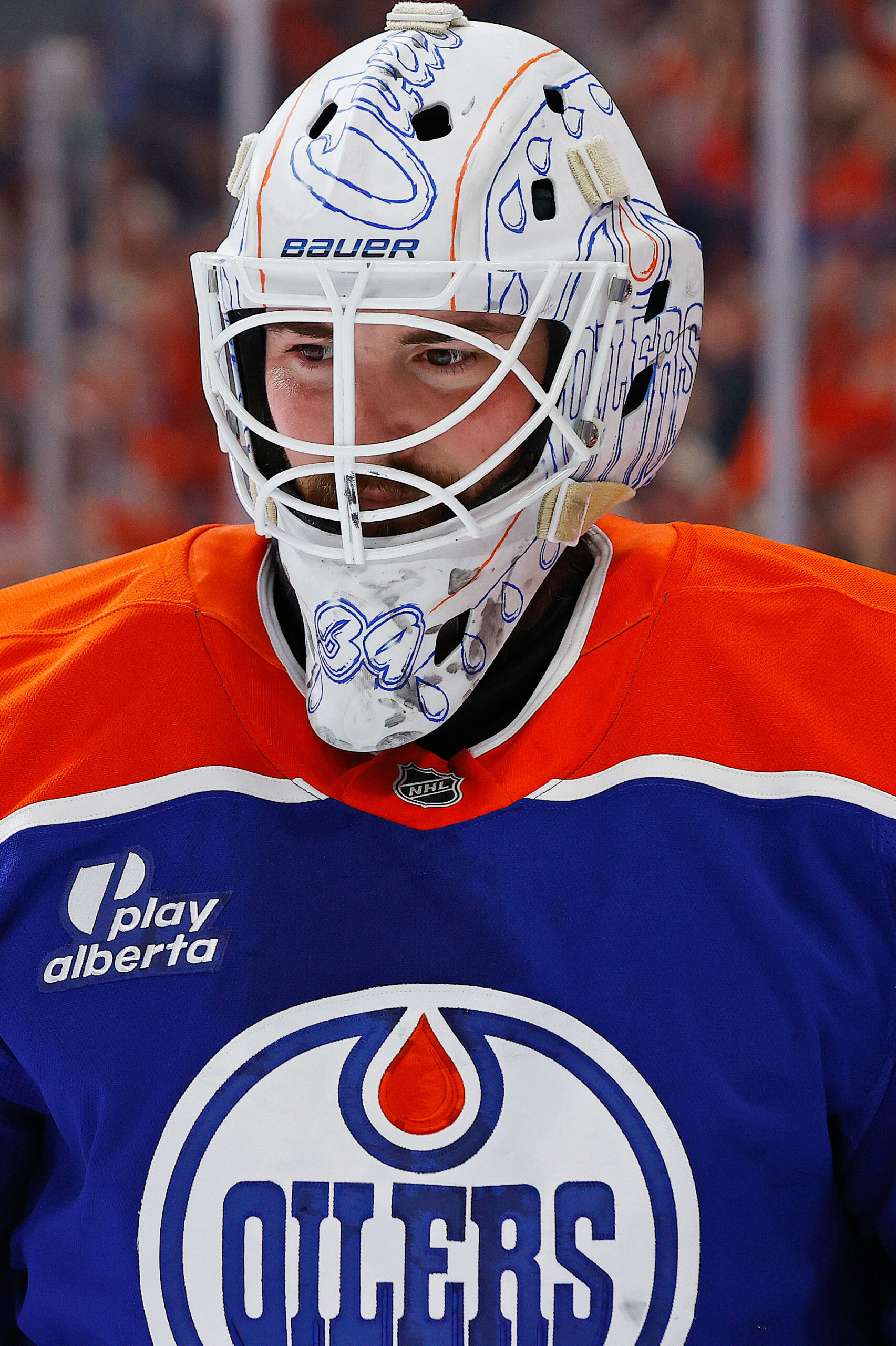
Having entered the NHL Player Assistance Program, Ingram’s resilience was on display as he started 30 games for the desperate Oilers, facing huge pressure for a player effectively brought in for nothing. Winning 16, the 29-year-old’s 2.60 goals-against-average was a career best. Out of 59 qualifying NHL goalies who played at least 25 games, Ingram came in at 29th with a 1.7 Goals Saved Above Expected.
By all means a fringe starter, it wasn’t enough for Edmonton to go on another run this spring, but being in a position where the Saskatoon native was their best option between the pipes is indicative of deeper issues within roster construction as opposed to any knock on Ingram. An unrestricted free agent this summer, if he moves on from the Oilers, any team would be getting a solid backup with the former Tampa Bay prospect.
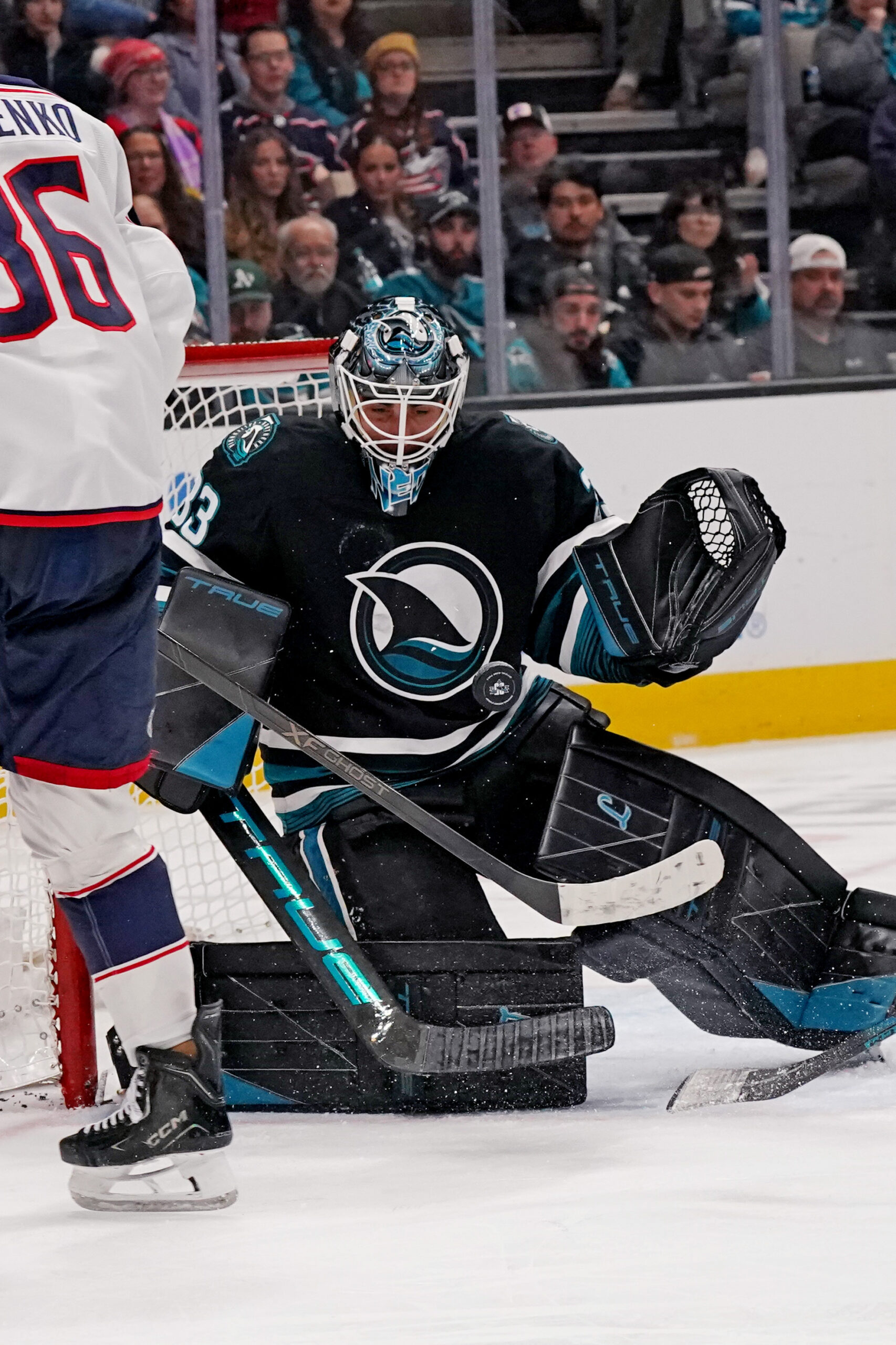
The major goaltender shuffling in Pittsburgh started back with their July 1 trade, moving Alex Nedeljkovic to San Jose for a 2028 third round pick. Nedeljkovic carried a reasonable $2.5MM AAV, but five years older than the later-acquired Silovs, getting younger was of interest. Posting statistics essentially the same as his previous two seasons of a decent workload in Pittsburgh, the Ohio native started 34 games for the Sharks, winning 18 with a .896 save percentage, exactly the league’s average. “Ned” had the slight edge over the young Yaroslav Askarov, who took a big step into his first full-time NHL campaign, flashing brilliance but also having hiccups at times in typical Askarov show-stopping fashion.
Rather than hitting the market, San Jose re-upped Nedeljkovic on a two-year pact worth $3MM per season in March, a deserved increase as he has proved to be a trusty fallback for the developing Askarov. Already progressing with more stability in net, the duo will look to vault the Sharks into the playoffs next year.
A promising team always willing to take on overpaid veterans to net assets, in January Nedeljkovic’s Sharks also dealt for goaltender Laurent Brossoit, inheriting his $3.3MM AAV netting 23-year-old former Chicago first rounder Nolan Allan as a sweetener. Once a high end backup, Brossoit’s free agent deal with the Blackhawks didn’t work out due to hip issues, never making an appearance with the club.
The 33-year-old played just one game for the Sharks, coming away with a loss, and otherwise playing in the AHL. Set to become a free agent, this might be it for Brossoit at the NHL level, but the trade paved the way back to the show, commendable for the British Columbia native after a long hiatus.
Rounding out the bunch, Columbus traded for Philadelphia’s Ivan Fedotov back in September. The former KHL star didn’t live up to high expectations in North America, and the Flyers shed his $3.27MM cap hit, happy to take just a sixth round selection in next month’s draft.
Surpassed by Jet Greaves who broke out this year, Fedotov was left to the AHL, playing in 47 games for the Cleveland Monsters and not offering much to improve his stock this summer. Already reported as having left North America to deal with an undisclosed injury, a return to KHL stardom is likely more appealing than coming back to the AHL next fall.
With most trades taking years to play out, the goaltender deals during the 2025-26 season are looking mostly inconsequential, of course, with exceptions. It was the Penguins who were winners, finding a solid young piece in Silovs while also leaving their trade partners in Edmonton with a mess on their hands in Jarry. As for who comes next, Jordan Binnington is generating noise, along with Buffalo’s Devon Levi, as it is looking like a summer of bigger names on the move than any we saw over the past season on the goaltending front.
Image Credit: Charles LeClaire-Imagn Images (Silovs)
Image Credit: Perry Nelson-Imagn Images (Ingram)
Image Credit: David Gonzales-Imagn Images (Nedeljkovic)